Spotify has just launched ‘Promo Cards’, a postcard shaped promotional image linked to music, designed to be shared on social media.
To create a card, head to here. Spotify gives you full reign to their catalogue, which is excellent. You need to define your search by ‘Artists’ or ‘Podcasters’ and choose the appropriate filters. Once done, search for your music.
Unfortunately, the customisation of the Promo Card is pretty limited right now. Spotify defines a few pre-set colours, which is sufficient for making stand-out images for social media. But if you have a specific brand colour, you will be limited in this aspect.
Customising your promo cards
Here’s the customisation screen. As you can see, the Promo Card is already made, but you can select the shape from square, landscape and square. You can also change the colours; here, I have the choice of pastel shades.
Different colours are available, but they appear to be defined by your search. For example, if I refresh the page and re-search for Muse, I’m shown the same colours as before. Whereas if I change the artist, I get different colours.
Sharing on social media
When it comes to sharing your Promo Card, Spotify makes it easy. You can download the image, which is pretty cool if you want to make visuals fast.
A sharing link is available for social media, but a Facebook & Twitter share button is available for 1-click sharing.
An embeddable clickable image script would have been helpful, which you can insert within HTML. You could use the link and wrap it in a <script/>, but you’ll need to be clued up with HTML for that.
Promo Cards are for you if you’re looking for a quick way of making great looking promotional images for your record label’s artists. You could achieve the same result using Canva. Still, the advantage of using Spotify is that the link to the artist/album is automatically injected into the post when used directly on social media.
Cards based on milestones
The latest 2021 Spotify release includes the ability to create promotional cards when artists’ songs reach any chart position on the Spotify charts website.
To create one, go to the promo cards site, search for and select the song, change “Focus” to “Milestone,” and share. From the charts site, click the “more” tab next to an item on the chart and then press “Share Promo Card.”
Matching the milestone notifications you receive in Spotify for Artists, artists can now create milestone cards for reaching 1k, 5k, 10k, 25k, 50k, 100k, 500k, 1M, 2M, 5M, 10M, 20M, 25M, 50M, and 100M followers on Spotify. They’re a great way to thank your fans for following you and encouraging others to do the same.
Create your own Spotify card based on the charting position by heading to here.
Conslusion
Spotify should continue to develop this microfeature; it would be good to see further customisation, which would help media creators drive engagement to their Spotify profile.
As it stands, Promo Cards is an excellent way of grabbing someone’s attention on social media!
Promoly is a platform built for the music industry. If you run a record label and need to promote your music via email, Promoly can take on a lot of the tasks involved and get awesome results!
Record labels deliver promotional music via Promoly to DJs, journalists, and music media outlets in order to seek out reviews, features, and airtime.
Promoly makes this possible by delivering music through email. When a recipient clicks on the promo, they are taken to a unique landing page which displays artwork, audio & press information. Recipients of these promotional emails can stream the music, leave feedback and then download the audio.
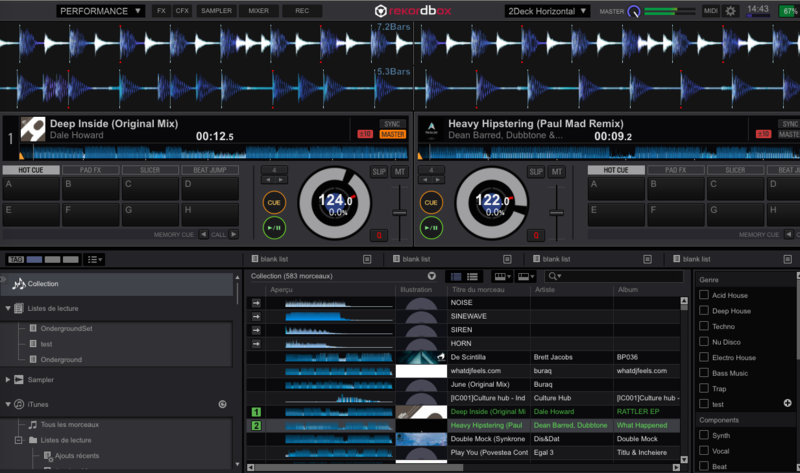
Similarly, Rekordbox is a type of software designed to help DJs with cloud music management. In particular, Rekordbox utilizes Dropbox to sync music files without needing to download them and re-upload them to different platforms.
One great thing about the Promoly platform is that it can be integrated and used with other software. In one scenario, you might want to transfer some files from Promoly to Rekordbox.
This may seem like a difficult process, but it’s actually really doable.
In this in-depth guide, we’ll be looking at the functions of both Rekordbox and Promoly, as well as how to transfer files between Promoly and Rekordbox. First, let’s break down Rekordbox.
How Does Rekordbox Work?
Rekordbox is a type of analysis software development by the Pioneer company, a Japanese manufacturer that is known for its audio and home theater entertainment products. In 2013, Pioneer released Rekordbox along with their flagship CDJ-2000 as a response to the limitations of the device, and also to allow the average player to compete with the ever-growing popularity of laptop DJing.
Pioneer examined why DJs were starting to use cloud-based software, like Traktor, to move their collections of music. It was clear that DJs were sick of dealing with CDs and hard drives and wanted to be able to take larger collections of their music on tour, but also like prep-prep cue and loop points for performing creative and unique mixes. This is where Rekordbox came in handy. Rekordbox helps DJs and musicians organize their files and playlists by analyzing their collection and labeling files for lightning-fast access.
Overall, Rekordbox works as an analysis, prep, and management platform for an artist’s music collection or collection of samples. Rekordbox can search for the right music files that are stored on one’s device to create playlists, adjust grids and tempos, set cue and loop points, and much more. More or less, Rekordbox works much like a Pioneer device with basic CDJ.
Rekordbox is designed to pre-prepare one’s music collections so that the DJ and the device they are using will spend less time looking for and analyzing the music that needs to be implemented into the song.
It’s a management platform that will never overwrite a previously existing audio file or try to render a new file. It also doesn’t quantize the audio files but instead quantizes the grid read on the CDJ or the device being used.
Rekordbox is also very useful for cloud storage. “The way we enjoy music has evolved,” reads a recent press release for the newest edition of Rekordbox on Pioneer’s website, “with computers and mobile devices becoming the focal point for listening to our favorite sounds and emerging genres. Naturally, the needs of DJs have changed too. So, we’ve rebuilt Rekordbox to offer centralized music management that stores your tracks in the cloud so you can play them via multiple devices whenever you like.”
It’s worth noting that audio analysis software is never perfect, and one may run into some hiccups in terms of some live tracks. But it is quite a likable piece of software with use cases for a wide range of musicians, not just DJs.
So what does Rekordbox have to do with Promoly? Isn’t Promoly a marketing platform? It’s a little more complicated than that. Let’s break it down and how Dropbox can be used between these two platforms in the next few sections.
What is Promoly?
Promoly is a platform designed to help musicians and record labels promote music, all while making it possible for users to see who is listening to their promoted music in real-time. Promoly will send music directly to a recipient’s inbox and track whenever those files are opened, played, and saved. It’s also possible for recipients to leave feedback on the promo campaigns. It’s all about being able to watch your results in real-time to optimize your marketing strategy.
Promoly is particularly handy for smaller record labels but can be used and personalized for any size or type of record label or independent artist. Keeping track of music promos can be really tough. This is especially so for record labels who are just starting to build up their company. Being able to manage promotional emails, released schedules, and press releases is key. Promoly makes this possible by providing users with a music promo tool that keeps labels on point, all while their music gains clicks, features, and plays.
There are a few different features that Promoly provides:
Promo Pool. Users will be able to access Promo Pool with a membership. This pool includes contacts that have approved Promoly’s service and opt to receive music from its users.
Reminders. Sometimes Promoly recipients will forget to open the promo emails. When reminders are turned on, Promoly will automatically remind them by sending another ‘reminder promo email’.
Campaign Feedback. Recipients of your promo emails will be able to leave feedback directly through the promo landing page into Promoly’s engine.
Real-time Tracking. Track when your promo files are opened and viewed.
Analytics. Keep track of how your different campaigns are performing in real-time.
Contact Management. Organize and group your contacts to easily find them when it’s necessary. You can also upload CSV files as well.
“Promoly was born in 2014 after getting frustrated with promoting music to email lists,” says Promoly’s CEO Pete Callaghan, “At the time, I was running a few labels with my business partner, Kaine. We didn’t know who was opening our emails or if anyone actually listened to the music we sent them. We had the mad idea of building our own application but didn’t know where to start. We got in contact with a music industry friend, Mike, who we knew was a software developer and a music enthusiast. The idea was pitched, and Promoly was born.”
How Does Dropbox Work?
Dropbox is a type of cloud storage platform and service. With Dropbox, you can copy or upload your files to the cloud and access them whenever you need to, even if you are using a different device.
As long as that device has a Dropbox application or program on it. Dropbox does not automatically copy all of your synced files if you are using their free personal plan, so users will need to pick which files they want to save. Because of this, it’s highly recommended that musicians, particularly DJ or artists that use samples, and record labels invest in a paid account to automatically back up their files for future use via the cloud. This is simply easier, plus you get a lot more storage space with a paid account.
For example, the free Dropbox personal plan provides 2 GB of storage. Any record label or artist knows that music files take up a lot of space, and it would be very difficult to stay under that 2 GB. This is especially so for music labels that have multiple clients. A Plus plan, however, features 1 TB of space (that’s 1,024 GB for comparison) for only $9.99 per month.
“When I did my first musical project, we initially tried sharing exported MP3s via email, and that got really cumbersome,” Neil Sethi wrote for Dropbox’s blog on the topic of sharing large audio files with bandmates and labels, “We realized Dropbox was better for this because we wanted to export WAV files to retain the sound quality and not compress things too much. That’s especially important when we’re iterating on specific parts of the track, like vocals. We used shared folders, which saved us a ton of time. Not only do we not have to export anymore, we could save a project in a shared folder, then just open and access the file to make changes. And because Dropbox enabled us to share WAV files, we didn’t have to rely on overly compressed MP3s anymore.”
Both Promoly and Rekordbox use Dropbox for a variety of use cases. Promoly uses Dropbox to add an additional layer of security to cloud-based storage needs. Rekordbox uses Dropbox to upload tracks and playlists from the main Rekordbox library to be accessed on any device that is synced with Dropbox.
It’s worth noting that while promoly and Rekordbox both utilize Dropbox, a Dropbox subscription or account is not included with either purchase. You’ll need to set up your Dropbox account before you try to use ether platforms with the service.
Now that we have a solid understanding of what Rekordbox, Promoly, and Dropbox do, let’s look at how you can send Promoly files to Rekordbox using the Dropbox integration. It’s actually ridiculously easy.
Using DropBox to Export Promoly Files to Rekordbox
So how do Dropbox, Rekordbox, and Promoly impact each other? To start, both Promoly and Rekordbox utilize Dropbox. And you can easily use Dropbox to send Promoly files to Rekordbox and vice-versa
In some scenarios, a record label or user may want to send music through Promoly on behalf of an artist. A DJ can download their music to Dropbox, and then play the tracks or sample them directly from their Dropbox account, or then can play them right away at a show using Rekordbox. The cloud manages all of it and thus removes the need to download and reupload music to USB or CD or a hard drive.
You can take advantage of the integration that Promoly and Rekordbox share with Dropbox. Virtually all of your key files, or the files of a campaign you have received, can be sent from Promoly directly to Dropbox. From there, that same Dropbox account can be added to Rekordbox. This is really useful if you have a lot of promos and are on the go. You can check the promo from your mobile device, download them to Dropbox and then Rekordbox will automatically be populated, ready for your show!
To start, make sure that your Rekordbox account is connected to your Dropbox account. From there, you can browse your tracks that are uploaded to Rekordbox already, enable Dropbox, and then import those files to your cloud-based Dropbox account. If you want to enable Rekordbox to automatically back up files onto Dropbox, you can do this as well.
Then, it’s time to make sure that Promoly is set up with that same Dropbox account. Go to your promo dashboard, check a promo and sign into Dropbox. Make sure it’s the same Dropbox account that you’ve logged into Rekordbox with.
And that’s it! Pretty easy, right? Both Promoly and Rekordbox automate a lot of their processes to ensure that syncing and uploading files is as seamless and easy as possible.
Don’t forget to follow the Promoly blog for more great informative guides to making Promoly work for you and your third-party platforms! At Promoly, we understand that marketing in the music world is far from easy and requires a significant amount of resources and tools. This is especially so for independent labels or artists who don’t have the resources of larger record labels. We’re passionate about sharing the best possible music promotion and marketing technique with our readers, along with our Promoly software for promoting and tracking music promo campaigns. It all starts with research in order to become the best you can be at music promotion.
In the UK during the 1980s, the first instances of what would become DNB (drum and bass) evolved from the Acid House music scene, specifically from a subgenre called Breakbeat Hardcore. From there, heavier bass and distinctive up-tempos would come to define this new underground electronic music. Additional Jamaican dub and reggae sounds from jungle music in addition to some jazz elements would come to bear when dnb took off in the early 1990s.
Dnb is easily the child of many genres, taking components from mid-century funk stars, layering hip-hop lyrics over sampled beats, or employing reggae-style MCs to complement a DJ spinning dnb at an overnight club.
Because of these varied roots, dnb is still relevant. Its origins are plentiful and deep, and its evolution is because it draws from such an expansive pool of influence. Thanks to pioneering DJs and a diverse audience, dnb continues to change and develop almost 30 years later.
In Bristol and London, the United Kingdom continues to pride itself on the cultivation of dnb. This is where dnb music was born and where it now continues to thrive. Elements of dnb have migrated through the world, closely following the rise of house and electronic music in North America, Germany, The Netherlands, South Africa, Belgium, the Czech Republic, Slovakia and Slovenia, and even China and India, as dnb DJs have emigrated from London due to skyrocketing costs of living. Sambass, in particular, has gained a significant following in Brazil as the mixture of Samba rhythms and dnb tracks has made it one of the more popular subgenres of dnb.
The continued evolution of dnb now relies on an increasingly dedicated community providing new dnb mixes from various creators via online radio. Dnbradio is one of the premier radio channels that continues to stream some of the best drum and bass radio on the internet.
Where did dnb music come from?
Dnb is a true fusion music style. It’s almost synonymous with Jungle style music. As such, you can trace its primary evolution to the previously mentioned genres: techno, house, hip-hop, jazz and ragga.
Techno music and the rave scene in the UK paved the way for dnb’s creation. They share a fundamentally electronic sound, though dnb accelerates the beat and emphasizes the drum and basslines. Further, this underground techno culture fed into dnb’s similar adoption route that fed into a nightclub and overnight outdoor event culture.
Dnb has also been one of Britain’s more successful answers to hip-hop. Though many have tried, British execution of hip-hop has always been lacking, partly because it’s difficult to fake vital sincerity towards uniquely American situations that many British artists cannot relate to.
The ease and fluidity of American hip-hop have eluded British artists since its popularity in America beginning in the 1970s. Dnb, however, has managed to include the beats and sounds of hip-hop (not so much the lyrics) in a very appealing way. Hip-hop influences also shine through in the attention that dnb DJs pay to the rhythm and texture of the sound that they mix.
Ragga also contributes significantly to jungle dnb’s musical identity. These Jamaican dub and reggae roots have a strong foothold in the British music scene. With quicker beats and spitfire rap verses, it is the foundation of many dnb tunes.
Fans of jungle music often called junglists, listened at raves and on pirate radio film in Britain from its infancy until it went mainstream in 1994. Some junglists decided to move away from the traditional jungle roots that were increasingly associated with violence and criminal activity.
This move marked a shift towards music like that which is available on jump-up dnb radio. This rave- and dancehall-based Jamaican music culture rose up simultaneously and, most likely, in opposition to these negative associations with jungle music.
Finally, jazz overtones are also consistently present in dnb tracks, with many classic jazz performers cited as an inspiration. This end of the musical spectrum adds an interesting richness and contrasting smoothness to dnb mixes, resulting in an entirely unique sound.
What makes dnb unique?
Like Jungle music, dnb is a uniquely British mixture of sorts. Some even claim that it may be the first British created electronic music and that it only could have developed here.
In fact, a lot of its success comes from dnb’s ability to draw from so many styles of music that cross racial lines. Thanks to the post-colonial climate of a degree of assimilated inclusion, audiences in Britain enjoy more freedom in moving past racial barriers that offer more resistance in other countries. Top DJs spinning dnb music are both black and white, and they’re free to use inspiration from many culturally significant types of music. As a result, dnb music creation is never stagnant, and there is always something new to try.
Secondly, dnb is a genuinely unifying blend of music. Thanks to the pieces that layer into each track, it appeals to a specific but dynamic audience, one that continues to enjoy the cutting-edge progression and evolution of the dnb mix. That amount of crossover also allows dnb to stay fresh and relevant to its core audience while captivating outside listeners with hooks and tracks appropriated from other familiar genres.
When you reflect on the timeline of dnb, it’s evident that even with its reliance on sophisticated electronic equipment, this genre was born and cemented pre-internet. The early 90s technology available around the time of dnb’s birth would have required a great deal of dedication, which is likely one of the reasons why dnb continues to thrive. It’s producers and fans have been committed since the beginning.
Just as dnb was born of so many varied influences, it has also spurred the growth of a vast array of sub-genres. Dnb’s evolution has led to darkstep, hardstep, funkstep, breakstep, jump-up liquid funk, neurofunk, techstep, drumstep, technoid, footwork, Sambass and drill’n’ bass to name a few.
They each explore a nuance or blend of dnb characteristics, all punctuated with that signature breakbeat. Thanks again to dnb’s variety of influences, the sounds of the drums and bass show up differently so everyone can find his or her own space of enjoyment within dnb. DJs will spin tunes with strikingly different features and sounds, but all are considered dnb because of the tempo.
How can record labels and Artists benefit from Dnb radio?
The 2016 sale of RAM (a prominent dnb label) to Sony RMG was viewed with both trepidation and enthusiasm by the dnb community. On the one hand, the sale says a lot about dnb’s continued survival and relevance. On the other, loyalists feared that some of the guiding forces of dnb had sold out. Regardless, it is an essential recognition of the genre and the value that it represents to the community at large.
Dnb only thrives in the face of constant change and reinvention. Its tunes have a notoriously short half-life, so the importance of sustaining dnb production can’t be emphasized enough.
Having said that, dnb radio is the best of both worlds. Constant creation is the catalyst for growth, improvement and evolution, practically everything that dnb embodies. Tune-in radio websites provide an affordable means of providing an accessible source of the latest trends and compilations outside of the urban hubs that routinely see fresh DJ productions. Bassdrive, for example, offers live radio drum and bass streams around the world. Koollondon’s resident family of producers and Radio Garden offer several London radio stations which are both excellent dnb listening choices.
Sites like DNB Radio offer options to ensure the fidelity and integrity of dnb tracks remains high and state-of-the-art. Other options like Jungletrain stream jungle and reggae radio make up hundreds of online opportunities to listen to the newest dnb around the clock.
Supporting these stations by tuning in is the way for dnb enthusiasts, particularly those outside of London and the European hubs, to immerse themselves in the current scene. As dnb listeners absorb these brand-new sounds and combinations, we ensure that dnb continues to keep pace in this modern age.
Artists benefit primarily from making their content quickly and cheaply accessible to a targeted audience. They can stay abreast of trends and gain inspiration from what has worked well or poorly in other tracks posted to the web. Labels can see how listeners respond to new music so that they can stay ahead of the curve. Dedicated pools of music that represent the advancement of a movement, of culture and of a sound.
Regardless of your role in the dnb community-creator—promoter or consumer—streaming internet radio services with fresh creative content are a vital part of the collaborative spirit that propels dnb as a genre. This medium effectively supports dnb’s continued growth in the face of a scattered, niche demographic that requires this base level of interaction for inspiration and adaptation. Fundamentally, internet dnb radio creatively ensures the survival of the fittest.
From the outside, it might seem like the music industry is all about creating music: being inspired, writing songs, recording singles, making albums. And, of course, all of this creative stuff is a huge part of it. But music industry insiders, especially record labels, know the real truth: the music industry is all about promotion.
Because it doesn’t matter how earth-shatteringly, groundbreakingly life-changing an artist’s music is if nobody ever hears it. That’s why promotion is so important. For music to achieve everything we love about it, like awakening emotions and telling stories and creating community and making people feel understood, somebody (or more likely a team of somebodies) first has to put lots of very intentional effort into promotion.
To give you a head start in the music promotion game, here are ten different strategies you can use to promote music, whether that be your own or of artists on your record label.
Keep reading to learn how to promote music, 10 different ways!
1. Go Viral on TikTok
It’s 2021 and we would be absolutely remiss not to mention the major impact TikTok is having on the music industry right now. (For those of you who don’t have any Gen Z-ers in your life, TikTok is a video-based social media platform in which users can make videos up to 1 minute long, and it is huge right now.)
As one of the fastest-growing apps around and a central focus on music as part of its culture, TikTok has a massive ability to give songs a major boost – and that’s not theoretical. TikTok is at least partially (if not mostly) responsible for the chart-topping success of songs such as Doja Cat’s “Say So”, The Weeknd’s: “Blinding Lights”, and Roddy Rich’s “The Box.” It’s so impactful that artists as big as Justin Bieber are creating music with TikTok in mind, hoping to leverage the platform for promotion.
If you want to give it a shot yourself (which you should), you can help increase the chances of a song doing well on TikTok by creating a challenge or dance that go along with the song, encouraging users to create their own videos using your song. If you do it right, you might just get a Billboard number one. But, actually.
2. Send out Emails
Okay, enough with all of that new-fangled stuff. Let’s pivot to a classic digital marketing strategy: email lists. See, email marketing is incredibly common and that’s because it’s effective. Building up an email list of music industry contacts like DJs, journalists, and media outlets allows you to reach exactly the right people when you’re seeking reviews, features, and airtime as part of your music promotional campaign.
With a tool like Promoly, you can easily deliver music to your email list, giving each email recipient the option to directly download your new music to their computer or Dropbox account in whatever file format they prefer, making it easy for them to listen to and promote your new songs.
3. Use Spotify Pre-Saves
Remember when Spotify was once as much a revelation for the music industry as TikTok is now? Today, utilizing music streaming platforms like Spotify as part of music promotion is a must. One great way to do so is to use the pre-save, which helps you build up excitement and hype about your new music among your listener community before its release. This is a great way to ensure that when your music drops, there will immediately be people who listen to it.
Spotify pre-saves are exactly what they sound like: users who opt in will have your song, EP, or album saved and waiting for them the moment it’s released. It’s streaming’s answer to pre-ordering an album. To incentivize users to pre-save your upcoming music, you can run competitions, do giveaways, and offer exclusive content in exchange.
4. Get on Spotify Playlists
Another way to promote your music on Spotify is to get your songs included on the featured playlists that Spotify makes available to all of its nearly 300 million users. As you can imagine, this is a great opportunity for exposure to a new audience.
The best way to do this is to use Spotify for Artists, which allows you to directly submit your unreleased music for consideration for inclusion in Spotify’s playlists. To increase your chances of being chosen, provide as much information as possible about the songs you are submitting, including instruments used, genre, mood, cultures the song or the artist belong to, whether or not it’s a cover, and so on. If your song gets chosen, it will also receive the added benefit of being included in your followers’ weekly Release Radar playlists.
You can also get songs that have already been released added to Spotify playlists, though this isn’t as straightforward a process and requires a lot more promoting your music on social media platforms (see number 10) and maybe even hiring a Spotify promotion company. You can also create your own playlists which, if they are made well, with a good cover image, a compelling title, and quality song choices and order, maybe organically found by Spotify users. As long as you include your own music in the playlist, it’ll get heard that way.
5. Take Advantage of Influencer Marketing
Another modern classic of digital marketing is influencer marketing, where you work with people who have large followings on social media to help you promote your music. Influencer marketing is most effective when you do it within certain niches and communities.
Do your research and find influencers who are already making content about music or, even better, your genre of music. That way, them promoting your content will feel natural and not like a forced advertisement, and you’ll know that their audience is already interested in the kind of music you have to offer.
You can do a lot of different types of influencer marketing campaigns, from asking somebody to post a screenshot of them listening to your new song on Spotify on their Snapchat or Instagram story to having somebody create a YouTube video of them reacting as they listen to your song or album for the first time to having a blogger or YouTuber review your new music to asking a dancer to post choreography to your song. The options are endless.
6. Make Videos
Though videos have always been a part of the music industry, they are even more powerful a tool now than ever as video slowly grows to become 82% of all internet traffic. While the decreased popularity of previous cultural juggernauts like MTV and TRL may have changed the landscape of music videos, it certainly hasn’t killed them; a good music video will still get millions and even billions of views online.
In addition to music videos, online video viewers are interested in other types of content from their favorite artists, too, and this is where you can really have fun and be innovative. From tour video diaries to backstage vlogs to workoutvideos set to your new song, there are a lot of ways that you can promote an artist’s new music – or the artist themselves – through online video.
7. Play at Festivals
Among all this talk of digital marketing, let’s not forget the mainstay of music promotion: playing concerts and touring. Because in order to post backstage videos online, you have to actually get out there and play music first. While every new artist may dream of going on a headlining tour, a good place to start is actually to play music festivals.
Now, obviously we’re not talking about headlining Coachella here, unless your artist is Beyonce or Ariana Grande, in which case – I am honored (and confused) that you are reading this article. But if you’re promoting a newer or smaller artist, a good direction to go is to look into smaller, more genre-based music festivals like the Newport Folk Festival (folk) and Warped Tour (rock) and the Movement Music Festival (electronic). Not only are these easier to get into, but they also give you access to an audience that is already interested in the type of music you’re releasing.
8. Open for a Bigger Artist
Another way to get a smaller or newer artist on the road touring music is to have them open up for a bigger artist. If you can pull this off, you are really hitting the promotional gold, as it exposes you to an audience of music lovers who are in a good mood and primed to enjoy what they’re listening to. You also benefit from the explicit or tacit endorsement of the bigger artist and a lasting association with them.
There is, of course, a caveat here. It’s crucial that there is a good match between you and the artist you’re opening for. If the kind of people who love their music and are willing to buy tickets to their show is not also the kind of people who will love your music, you’re setting yourself up for everything from awkwardness and disappointment to heckling and ruining the vibe of the whole show. Not pretty.
9. Get Reviewed
While news publications may seem kind of old-school, getting a solid review in the press can still be fantastic promotion for an artist. Just think about the reaction to Fiona Apple’s new album Fetch the Bolt Cutters getting Pitchfork’s first 10 rating in nearly ten years; it was huge. So it’s definitely worth your time to try and get music journalists to review your new music.
To pull this off, you have to do some research and find journalists who are reviewing artists like you, whether that’s artists of your size, your genre, your location, or something else. Compile a list of these journalists and their contact information. You can then use Promoly to easily send all of them your new music at once.
10. Use Social Media
Though we could dedicate an entire guide just to ‘how to promote music’ on social media alone, here are some quick tips because, let’s be honest, if you’re not promoting your music on social media in 2021, what are you even doing?
Use hashtags. Hashtagsare a must for social media posts, as they are a free and easy way to get new people to see your post. Make smart choices about which hashtags you use, choosing both popular ones with large audiences and more niche ones where you won’t get lost in the fold. Don’t use too many hashtags per post so as not to seem annoying.
Post outside the box. If you haven’t learned anything from our first tip about TikTok, the most unexpected social media platforms can blow up out of nowhere and make a major impact. So don’t just post on the obvious platforms like Facebook, Twitter, and Instagram. Give other ones like YouTube, Reddit, Snapchat, TikTok, Tumblr, and Pinterest some love, too.
Be consistent. When it comes to social media platforms, the more you give, the more you get. Audiences want to see consistent content posted frequently. You’ll be rewarded for posting often, as much as multiple times a day for certain platforms like Instagram and Twitter.
Engage with fans. It’s not enough just to post on social media and leave it at that. Audiences want you to be a part of their community. So follow people, post comments, ask questions, create new hashtags, and so on. Engagement goes both ways.
Be real. Authenticity is key on social media. Social media users are not interested in content that feels corporate or tryhard or overtly promotional. Instead, they want a sense of real connection. So be jokey, use your voice, and build an authentic brand.
Conclusion
So, there you have it. Ten relevant, effective ‘how to promote music’ strategies for music that you can use to grow as an artist or to help an artist on your label grow. Now, what are you waiting for? Get out there and promote.
As a record label, one of your main goals is to promote the musicians on your roster. And throughout the history of the music industry, there have been lots of ways to achieve this goal.
There are the classic “oldie but goodie” options, like getting their music played on the radio. There are the somewhat outdated strategies that aren’t so en vogue anymore, such as the mall concert tour that was so popular in the 80s.
But what we’re here to talk about today is the really cutting edge stuff: the strategies and techniques that take into account how to reach music fans and listeners in the specific era we live in today. That’s right, we’re talking about online. A savvy record label employee knows that digital marketing is a must in today’s market, and has probably been working the social media angle for a while.
But, for some reason, not so many record labels are taking advantage of one of the most effective forms of social media marketing available today: Facebook messenger bots.
In this article, we’ll walk you through what a messenger bot is, why you want to be using them, and how you can get started with marketing with them. Let’s get into it.
What is Messenger?
A lot of focus and attention gets put on the content side of social media: YouTube videos, Instagram stories, Facebook posts, and so on. But what you might be looking over is the part of social media that people are spending a huge portion of their time on: messaging apps.
From WhatsApp to WeChat to Facebook Messenger, 2.5 billion people around the world use messenger applications every day. Just Facebook messenger alone accounts for 1.3 billion of those users.
While Messenger was developed by and integrates with Facebook, it’s actually become a thing of its own, with a separate mobile application. The platform allows users to send and exchange messages in the form of text, photos, videos, stickers, emojis, audio, and files. It also allows voice and video calling, but most users stick to the chatting feature.
If you’ve been around the internet for a while, you can think of Messenger as a modern version of AIM or ICQ.
Why Record Labels Should Be Using Messenger
Facebook Messenger is a powerful tool for connecting to an audience, both for marketing and customer service purposes. We’ve already covered the main reason: Messenger is being widely used. Internet users spend a lot of time on Facebook Messenger. Why not meet them there?
But it also goes beyond that. Using Facebook Messenger can lend your company a sense of trustworthiness. According to a survey, the majority of Americans feel more confident about a brand if they can message with them. This is probably because Facebook Messenger is so easy and user-friendly.
Because, let’s face it, nobody wants to talk on the phone anymore. A lot of people, especially Gen Z, don’t even want to deal with emails. They’re already spending time throughout the day chatting with their friends on Facebook Messenger. If they can receive communication from record labels within that very same app they’re already using, users are way more likely to engage.
If you’re still not convinced, let me give you some more numbers. Traditional email marketing has an open rate of 20%. Facebook Messenger’s open rate? 88%. The numbers don’t lie.
Messenger Marketing Made Easy
Another major advantage of using Facebook Messenger to communicate with your audience is that it’s so easy to automate. Messenger chatbots are a tool specifically created for this purpose. Essentially, they’re little robots that you can teach to communicate with users. You can program the chatbot to know about your record label, answer questions, and chat with Facebook users.
Chatbots can serve a lot of different purposes. The best Facebook messenger bots can be used for customer service, conducting surveys, executing purchases, sharing content with users, and scheduling appointments. That’s the beauty of chatbots: they fulfill a lot of different purposes, and they do so effectively.
How Record Labels Can Utilize Messenger Bots
While every industry is finding creative ways to use Facebook Messenger bots (or at least the savvy ones are), there are some unique opportunities that record labels can take advantage of with this technology.
One option is helping users access new music from their clients. For example, if an artist on your label is releasing a new song or album soon, you can have a Messenger bot send out a Spotify pre save to a list of your current and potential listeners, creating engagement and directing people to stream your music.
The options for Facebook Messenger bot templates are really limitless. Just to list a few: you can send out free songs, tease information about a possible drop date for a new single, send out a tracklist for a new album one song at a time, and so on. The best part is that as you’re engaging with your audience on Messenger, you can build your email list, get your audience to find you on streaming services, and create a funnel to increase sales.
How to Get Started with Bots
Okay, so you’re convinced. Facebook Messenger is a valuable tool and you want to try out a bot for your own record label. How do you do that?
First, don’t be intimidated. Sure, we’re talking about robots here, but it’s not as techy as it sounds. In fact, you don’t even have to build them on your own. Unless, of course, you have some talented developers on your team, in which case, go for it.
But if you don’t want to deal with all of that, you have the option of utilizing one of many different existing chatbot tools. For example, automation agencies like Weighted.io create chatbots that you can customize for your company’s needs with little to no technical skills needed. Best of all, Weighted.io’s chatbots are specifically created for record labels, meaning they know how to meet your particular needs.
Tips for Messenger Bot Success
Of course, you probably know that just using a powerful tool doesn’t guarantee you’ll succeed. You have to do your research and be smart about how you use the tool. After all, trying to hit a nail with the wrong side of a hammer isn’t going to get you very far.
So here are some expert tips you should keep in mind when getting started with using Facebook Messenger chatbots for your record label.
Keep it Human
Yes, chatbots are robots, and your audience is aware of that fact, so there’s no point in trying to hide it. But their experience will still be much better if the conversation feels natural and personal. So don’t be boring. Use humor. Inject in a bit of personality. Make it feel like you actually care. Your Facebook Messenger bot might be a robot, but it doesn’t have to be robotic.
Keep it Easy
One of the main reasons Facebook Messenger marketing is so effective is that it’s convenient. So don’t make your bot interactions more complicated than they have to be. Keep things short and sweet. If you’re doing a survey, stick to simple, yes or no questions as much as you can. Multiple choice and rating things on a scale of 0 to 10 are also decent options, but try to use them sparingly. Do your best to identify and get rid of any unnecessary steps in your chatbot flow, especially when it comes to making sales.
Be Generous
Like we’ve covered above, one of the best ways for a record label to use Facebook Messenger bots is to send users content, like free music or Spotify pre save links. This is a super effective form of marketing, so lean into it. Consider creating a weekly digest of artist updates or even sending exclusive content only to your Facebook Messenger audience. You’ll be able to increase engagement and maybe even acquire new customers.
Know When Enough is Enough
As great as they are, not everything can be done using Facebook Messenger chatbots. To that point, be discerning and smart about when you do – and when you don’t – use your Messenger bot. There are some experiences and certain types of content that aren’t best suited for the messaging format. It’s up to you to do the thoughtful trial-and-error to figure out what works for you and what doesn’t. Once you do, you’ll be making use of a tremendously powerful and effective online marketing tool. Awesome job.
So you’ve found the perfect song on Spotify and you want to share it with all your Instagram followers as soon as possible.
Thanks to a convenient new synergy between these two social apps, you can share a song, album, or playlist to your Instagram story in a few seconds with just a couple of taps.
Gone are the days where you needed to screenshot what you wanted to share and upload it. This streamlined process allows you to post what you want to share easily, quickly, and with a few extra features to boot.
No need to take screenshots that take up space and clutter your phone’s memory. You no longer have to go through the tedious process of sharing links via text, WhatsApp, Messenger or Twitter anymore, either. Just share directly from Spotify to your story for your mates to enjoy links to the music without all the fuss.
Dub a mixtape and share it with your friends, or use the features to soundtrack your life with an astonishing level of convenience. Whatever you decide to do, take a moment to reflect on the fact that just a few short years ago, we were all sharing songs burned on discs or synced onto iPods. Look at how far we’ve come.
Go ahead—be the DJ to your life story and whip up a fire playlist that fits your mood. Spice up the instant videos and images of your life that you post on your stories with a song.
If you stumble across a gem of an artist, spread the word. Have you listened to a great podcast that you need everyone else to listen to as well? With the way that Spotify cooperates with Instagram now, you can share, share away.
How does it work?
In case you aren’t yet convinced that this is the greatest development of all time, wait until you see how easy it is.
It’s virtually foolproof and anyone can figure it out in a few minutes. Since this update from Spotify is all about convenience and saving time, we’ll spare you the trial and error. We doubt it takes even ten seconds to share a story with the new sharing features.
Just follow these five steps and you’ll have Spotify in your stories right away.
Open the Spotify app. Browse through your music. When you’ve found a song, playlist, artist, podcast, or album, or anything at all that you want to share, do the following:
1. Open the menu by tapping the three dots on the top right-hand corner.
2. On that menu, select ‘Share.’
3. In addition to the option to copy links or send messages through WhatsApp or Facebook Messenger, choose ‘Instagram Stories.’
4. Once you select that option, Spotify will open up the Instagram Stories editor of your Instagram app. Add stickers, tags, or text to introduce your latest find to your online community.
5. Then share your Story just like you’d share anything else to your Instagram Story.
That’s it. Literally three taps will get something off of Spotify and onto your story. From there, sit back and watch the compliments for your excellent taste in music pour in. Rest easy knowing that you’ve done your duty to share these sweet melodies with your people. If the mood strikes again, feel free to rinse and repeat to your heart’s desire.
According to Instagram, sharing directly from Spotify has some additional benefits, too. When you go through the steps above, Spotify will unlock custom cover art that’s optimized for Instagram for each song, album, playlist or artist that you choose to share. Not only are these new features easy to use, but they’re easy on the eyes, too.
These unique album or song covers will show up in your stories with an embedded link so that people who view your stories can click right through and listen right away. When someone views your story and taps ‘Play on Spotify’ under your Instagram handle, a bubble that says ‘Open Spotify’ will appear, taking them into the Spotify app once they tap it.
Once in the app, they’ll immediately begin listening to whatever you’ve shared in your stories. Thankfully, this saves us the effort of screenshotting recommendations from others to listen to later when we get a chance, if we remember.
Learning how to share Spotify songs to your Instagram stories is virtually idiot-proof thanks to the user-friendly design of this new set of features. With this update, you can also share Spotify selections directly to your feed or via direct message to any of your Instagram friends. Similar process, just share to a place other than your story.
So share your mood with a song or celebrate a night of debauchery with a themed playlist and post it up in your stories so that everyone knows what you’re up to and can revel in trendsetting, taste-making sounds without any real effort. Happy, sad, mellow, or lively, it doesn’t matter—throw a song from Spotify to your story to let everyone know what’s up. There are now more ways than ever to tell a story.
Conclusion
Ditch the screenshots and save the phone space. Move on and level up. Thanks to this update, we’ve made it to the future. Life here is simple and it’s good—well, at least it sounds good.
Excellent job, Spotify. Well done, Instagram. Way to work together to simplify your users’ lives and give us access to intuitive tools that connect us in more efficient ways than ever. If anything, this cooperative move has us feeling inspired and ready to share a tune or two.
Go through these simple steps (it won’t even take 10 seconds to share a song) and let Spotify do the heavy lifting so that you can share what you’re listening to as you’re listening to it. Be creative and let the music speak to your followers.
The community quarantine amid the coronavirus pandemic has forced a lot of lifestyle changes for people. Although the strict implementation of the quarantine is to protect the welfare of everyone, it takes a toll on the mental health of people, especially those who rely on social interaction daily.
It sucks you can’t go to your favourite restaurant for your usual order. It’s a bother that you can’t find solace in your usual routine outside your home. However, the quarantine helps ensure you don’t acquire the virus, so it is best to stay indoors.
As a musician, it might be the best time to focus on your music marketing strategies to use your extra time productively. It’s nice to do some de-stressing activities, but filing your whole quarantine schedule with nothing productive is lost time.
Here are some things you can do to maintain your sanity productively during the quarantine.
1) Focus on your music
The best part about the quarantine period is you get plenty of time to hone and polish your craft. Aside from playing your usual instruments, you can practice on your songwriting skills or learn other musical tools. Having diversity and flexibility in the music industry is a huge plus point since you no longer have to rely on others for help. You can surprise your fans with new songs or proudly display the efforts of practising a new instrument.
2) Learn the marketing side of music
Producing music is only a part of the entire journey as an artist. So, it is best to immerse yourself in excellent music marketing strategies so that your music can have a wider audience reach. The business side of the music industry is crucial in ensuring a successful career. However, start slow, and at a pace that you can comfortably consume content. Otherwise, you risk overwhelming yourself with too much information you might give up from the get-go.
Learn music promotions for one marketing platform every two or three days. With this strategy and pacing, you can give yourself the chance to digest and fully understand what you’ve learned. Once you’ve mastered one, you can confidently jump to the other one. Remember to take it slow since there’s no need to learn all of these during the quarantine period. You still have time after the quarantine, after all.
3) Exercise to get your brain moving
If you have an established exercise routine before the coronavirus attack, it is best to continue it at your home. Although at-home workouts may not feel the same as going to the gym, you still reap the same mental and physical benefits.
You can even try exercises you haven’t tried before. Try yoga by watching yoga videos. There are also some fun dance videos you can do to burn some calories while having a ton of fun. Exercising helps provide your brain extra supply of oxygen to make it work better and faster.
Conclusion
The way you handle the quarantine period helps influence your life after the whole chaotic situation. If you decide to invest in your well-being and growth instead of being a couch potato, you will see enormous growth in your career and skills. Learning the dos and don’ts in music promotions can help you in your industry endeavours too.
Are you in need of help with your music PR strategies? Check us out today to learn more about how we can help.
If you’re an independent artist and want to promote your music all on your own, then it’s important to know that the job comes with plenty of responsibilities—not all of which will be enjoyable. Doing self-promotion as an independent artist isn’t impossible, but you have to be prepared. In today’s digital age, self-promotion is easier online, which means that you need to be tech-savvy and develop strong social media skills for good results.
Aside from acquiring marketing skills, one thing that would help you a lot is to know the common mistakes independent artists make with self-promotion.
1) Waiting too long for opportunities
Many incredibly talented independent artists miss out on catching their big break because they wait too long for the perfect opportunity to come knocking. One thing to remember when doing self-promotion is that it only works when you chase opportunities instead of waiting for them to chase you. Don’t wait for a one-in-a-million chance to be “discovered” at a festival or called back to a bar you’ve played in; instead, keep on looking for other opportunities until you land yourself the right one.
2) Trying to do everything all on your own
While hiring a promotional team can certainly be pricey and the average independent artist usually doesn’t have money to spare, it’s hard to go it alone. If you want to build a solid personal brand, you’ll need to hire the right people. There are times when it may be best to promote yourself, but at a certain point, you’ll need help. Don’t look at this as an expense, but as an investment—a great PR team can bring in a lot more money than they’ll cost!
3) Focusing too much on social media promotion
Given the efficacy of social media, it isn’t surprising that many independent artists spend most of their time promoting on online platforms. While this isn’t necessarily bad, it can be a limiting factor when you neglect other marketing avenues. As an independent artist, the first thing that you need to break into is your local scene, which means that you have to be out there. People need to see you physically—not just on their Instagram ads. Therefore, if you’re doing self-promotion, make sure prioritise your presence. From there, the world is at your fingertips!
4) Paying for low-quality content automation
One of the most effective aspects of marketing that is crucial for self-promotion is content. Blog posts, press releases, and articles written about you and your work can help you establish a name in the industry. It’s tempting to pay for automated content creation just so you have something to release every week. However, modern consumers regard quality to be over quantity. You don’t want to be putting out low-quality content that could compromise your reputation. As a rising independent artist, you have to ensure that every piece of marketing material you put out is of high-quality. Doing so will help you become known as a professional!
Dong self-promotion as an independent artist isn’t a walk in the park. As mentioned, it requires a lot of time, effort, discipline, patience, and money to see the fruits of your hard work. Want to see results? You’ll have to do it right. Fortunately, being aware of the common mistakes you should avoid will help you adjust your plans and set clearer goals to guarantee success in promoting yourself and your work.
Struggling to do all the work yourself? That’s what we’re here for! If you need help communicating your music updates to your followers, give Promoly a try! We are a music promo delivery system for artists, labels, and PR agencies, helping you maximize your current mailing list. We’re a music PR service that delivers music to your mailing list, get in touch to see how we can help today.
If you’re a musician or band, and you want to book more gigs, get more exposure, and put yourself on the road to success, you should know what an EPK, meaning electronic press kit, is. So what is an EPK?
What is an Electronic Press Kit?
Essentially, an EPK is a document that you can put together to show who you or your music band is to the world.
Like a resume, cover letter, and portfolio all rolled into one and optimized for the needs of the music industry, an EPK helps you clearly and efficiently communicate what you are all about as a musician, making it a powerful tool in the process of hustling and working your way to the top.
You can send your EPK to promoters, music supervisor, managers, agents, venues, and pretty much anybody who might want to get to know you as an artist.
The bottom line is that a strong media kit will help you succeed in the music industry. Sound worth learning about? It is. That’s why this article is here to help tell you how to make an EPK.
What to Include in Your EPK
Though there is no one single, official and definitive EPK template that every single musician must use for their media kit, each press kit should generally include the following sections:
● Your music – As an artist, you already know that the most important thing about you is your music. That’s why it’s super important to include links to your work in your media kits.
● Promotional photos and/or promotional video of you and/or your band – There’s a reason why an EPK is called an electronic press kit; it’s supposed to include materials that can be used in the press to advertise the musician.
● Website and social media links – Including links to your website and social media will show interested parties where they can find more in-depth information about you. Social media is also an opportunity to show that you have an online and potentially in-person following – if you have one.
● Biography – This is your chance to tell your story as an artist. While you should have both a long and short biography prepared, your EPK can include the longer ones.
● Quotes – Here, you can include quotes and clippings from press and testimonials in which other people, like news publications and previous clients, sing your praises.
● Contact details – Your goal in creating a press kit is to get people to reach out to you, right? So don’t forget to include details about how they can do so. You could include a link to a contact form on the EPK – whatever you do, make it easy!
Now that you know the basics of what to include in your EPK, let’s get into the nitty-gritty about exactly what does and doesn’t go in each section.
Add Links to Your Music
Like I mentioned above, there is nothing more important about an artist than their music. In an ideal world, your work can do all of the talking, proving who you are, what you want to say, and your value as a musician.
Regardless of how interesting your biography is, what great venues you’ve played at, and how many millions of followers you have on Instagram, if your music isn’t good (like really good), agents and promoters aren’t going to be interested in you. That’s why your music should be front and center in your press kit.
While some artists will include a direct, free download to their music as part of their press kit, it’s totally fine just to include links to your music on YouTube, Spotify, Apple Music, or Soundcloud.
The important part is making sure that the recordings are of high quality and represent the best of what you have to offer. Choose songs that are recent and that you feel accurately show who you are as an artist. If you have a particular single or album that you’re trying to promote, make sure to emphasize that.
Include Photos and Videos
If your press kit does its job and successfully helps you book a gig or get an agent, they’ll want to have materials to use to promote you and put you on their roster with.
Help them out by having good, high-quality, high-resolution images that they can use in your EPK.
Selfies taken on an iPhone camera might be acceptable, just make sure they are not potato quality.
Maybe think about hiring a photographer to help you out. Ideally, choose somebody who knows what they are doing and who has worked with musicians before.
You’ll want a photographer who has the experience and can help you come up with creative ideas. These photos are going to represent you as an artist, so it’s worth investing in.
Don’t be tempted to ask your boyfriend who has a DSLR camera just to do it for a free hamburger.
If you can, try to do photoshoots in multiple locations and with multiple outfits so you can have options to choose from. Include images in your EPK that show who you are and that you’d want to see on a poster next to your name. Include these in .png format (it’s a better format for high res) in your press kit.
In addition to still images, videos are also important as a way to catch the eye of promoters and agents and visually tell your story in motion.
They’re a great tool because they can show you in action, performing live, offering a sense of your energy and personality as an artist and what you really have to offer.
You can also include music videos if you have any. Links to YouTube or Vimeo videos are just fine for your EPK.
Website and Social Links
In your press kit, you’ll want to include links to your website and social media. You might be wondering if a website link is really necessary, and what the difference between a website and an EPK is.
If you look at electronic press kit examples, you’ll see that they are concise and curated, which are two important qualities in catching attention without boring anybody. They are also made specifically for the audience of music industry pros.
On the other hand, your website can be longer, more detailed, and really get into telling your story. You should also keep in mind that it will be viewable by everybody on the internet, not just clients and managers.
You’ll also want your EPK to include links to your social media, like Instagram, Twitter, and Facebook.
The reality of the world we live in today is that agents and managers will be more interested in you if you’re popular online. But it’s not enough just to have lots of followers.
More importantly, you want to have good engagement, with an audience who actually likes and comments on your posts.
That’s why buying followers is absolutely not recommended. It’s also important that your social media profiles are active and up-to-date.
Also, there’s no point in sending a potential manager to your Instagram if your most recent post is a video of your band doing the Harlem Shake in 2013.
Don’t Forget Your Artist Biography
While most of your EPK will be audiovisual, your biography is the one longer, written section that you can use to really give context about yourself as an artist.
You can talk about who you are, your background in life and in music, what you’ve achieved, whether or not you’ve played at any notable venues or gotten any exciting press, who you’ve worked with, where you’ve recorded, and what your goal is as an artist.
This is your opportunity to really sell yourself and convince your readers that they want to work with you. If writing isn’t your strong suit, it can even be a good idea to have your bio looked over by a professional editor to make sure everything sounds good.
And, of course, it should be professional, with no grammar errors or typos.
Press Clips
There’s no better way to prove your legitimacy as an artist than to show that you’ve been written up in respected, well-known publications.
That’s why your press pack should include any good mentions you’ve had in the press. Whether it was a review of an album or a live show, it’s worth including. Just make sure not to put in anything that isn’t obviously, glowingly positive.
If Rolling Stone or Pitchfork wrote about you, but it was all critical, it might be best to leave that out of your EPK. But hey, all press is good press?
If you’re a newer artist and you haven’t been mentioned in any press yet, you can also include testimonial quotes from people you’ve worked with.
If you have any really impressed fans, clients, or people in the industry you’ve collaborated with, go ahead and ask them if they are willing to write you a review.
For example, if your band has opened up for somebody who is well-respected and/or well-known, see if you can get them to write you a quick one-liner that you can include in your EPK. It will give your press kit some serious clout.
Give Your Contact Details
Finally, you want to make sure to include contact details and a nice reminder to the reader of the EPK to reach out to you. Otherwise, you’ll just be wasting your and their time.
Seriously: don’t send out an EPK without contact details! (You probably think I’m stating the obvious, but you’d be amazed at the amount of music I’ve received without any contact details whatsoever!)
You can include the names and contact information of each band member, agent, and manager you’re working with, but make sure to specify which one (or two at most) contact is the main point of communication.
Also, this information must be up-to-date, so make sure to update your EPK in the case of a change in phone number, email, or management.
Press Kits: PDF, HTML, or Both?
Let’s talk a bit about EPK formatting.
There are several ways to go when it comes to formatting your press kit and putting it all together.
Perhaps the simplest option is just to create a PDF with live links. These are easy to edit and you’ll be able to have total control over the format and design, knowing exactly what it will look like when it is opened by promoters and potential agents.
If you’re not interested in dealing with editing a PDF, you can choose from a variety of EPK creation providers, which are essentially online EPK-building tools that allow you to easily build an HTML-based electronic press kit.
With these, you’ll have a bit less control over the design, as they more or less function as a media kit template with fill-in-the-blank and drag-and-drop functionality.
However, it’s possible that you are less design-savvy and an online press kit template is exactly what you are looking for, which makes this a good option for you.
EPK Examples
Chances are, if you are planning to put together an electronic press kit, you’ll want to look over some EPK examples to see what other people are doing and answer any common questions that you’ve had from the beginning like “how long should a press release be?” and even “what is a press kit and what does it look like?”.
When looking at media kit examples, you’ll be able to gather inspiration, note what elements you like and dislike, and make sure that the press kit you’re creating doesn’t look like something super weird the music industry has never seen before – unless that’s the vibe you’re going for.
Here are a few EPK examples that you can look over to help yourself answer some of these questions.
And there you have it! All you need to know to make a kick-ass electronic press kit.
Now get out there and, well, get yourself out there. We can’t wait to see you on MTV soon.
Ah, (hash)tags… The original way of organizing and finding content on the web. Technology may have come far, but we’re still dependent on tags and keywords to listen and post amazing music.
And just like every other platform, SoundCloud has its own tagging system.
In this article, we’re going to show you how to use SoundCloud tags to increase song exposure, and make sure your music is heard by millions of interested listeners!
Are SoundCloud Tags the Same as Hashtags?
Yes, SoundCloud tags are the same as hashtags, in the sense that both allow users to find your content.
On Instagram and Twitter, that can be a cool video or your take on a popular topic. On SoundCloud, you can use tags to accurately label your music so it’s found by listeners searching for it.
After all, with over 272 million users in 2019, SoundCloud is a big platform. It needs a labelling system. Fortunately, it’s one you can use to increase song exposure.
Will Using Tags Help Increase Exposure?
Yes, using SoundCloud tags will help you increase song exposure!
When compared to the other streaming services, SoundCloud is much richer in features, driven by data, and also focuses heavily on promoting niche genres, independent artists, and unsigned creators. This is why having a platform such as SoundCloud helps new artists – it exposes them to more listeners, and SoundCloud tags are one of the most critical features to allow this exposure.
Now, we’re all very familiar with hashtags, and how they help us get more exposure for our social media posts.
Similarly, we can think of SoundCloud tags as the hashtags of SoundCloud.
By looking at SoundCloud tags, not only will your listeners know the kind of music to expect from you, but it can also help the individuals who are searching for your particular type of music discover you.
The key is in understanding how tagging helps the SoundCloud algorithm.
How Does Tagging Help the SoundCloud Algorithm?
SoundCloud relies on the DiscoRank algorithm with its search engine and Explore pages to provide the best-match content to searchers.
In that respect, it’s very similar to Google.
If you’re searching for “how to use SoundCloud hashtags” or “how to use SoundCloud tags,” you want to find content that responds to that specific question.
It’s the same with SoundCloud.
Similarly, the SoundCloud algorithm is fine-tuned to give ambient music to searchers looking for it, and disco music to those who haven’t been able to forget the vivacious tunes of Saturday Night Fever.
The more relevant your genre and your tags are to users’ searchers, the higher will your track rank in the results.
This is where a lot of SoundCloud musicians make mistakes.
They add the most popular (genre) tags to their tracks, expecting to get more exposure. Instead, the opposite happens. A hip-hop track tagged as “disco” just because disco is trending that day is not going to receive clicks, leading the SoundCloud algorithm to place it lower in the search results.
Avoid using irrelevant tags. Instead, double down on the tags that apply to your music.
Ah, (hash)tags… The original way of organizing and finding content on the web.
Technology may have come far, but we’re still dependent on tags and keywords to listen and post amazing music.
You will be able to add your own tags in the “Additional Tags” section.
The key tags to focus on here are mood tags.
Let’s say you’re posting a pop track. What is the track’s vibe? Is it a summer hit? Is it moody?
All of these descriptors can be used as tags, because they’re the ones listeners look for, as well.
According to RiteTag, some of the most popular mood tags right now are:
#happy #dark #study
This is where it pays to understand the SoundCloud algorithm. A tag that isn’t being used by listeners is a waste of space. Focus on the tags that are used to find music like yours.
You can find relevant tags by taking a look at artists who post music similar to yours.
Which hashtags are they using? If they apply to your music, add them to your tag mix.
Be specific when tagging. Start from the main genre and then work your way down.
Yes, you posted a #country track, but is it #bluegrass? #Alternative Country?
If one instrument is prominent, make sure you add it. For example, using specific tags like #drumsolo and #guitar instrumental is a phenomenal way to reach more listeners who know exactly what they’re looking for!
You can also add your brand name to your tag mix, to improve your branding on the platform.
How Many SoundCloud Tags Should You Use?
It can be tempting to add too many tags just to make sure your music gets seen.
But as a rule of thumb: it’s better to use a handful of SoundCloud tags that are hyper-specific and relevant to listeners and searchers, than dozens of tags that aren’t a good fit.
Remember: the algorithm evaluates if your music fits the tags. Use the tags real people use to find real music, instead of jumping on the popular (but generic) tag bandwagon.