Author: pete

  • Mastering YouTube: Tips for Optimizing Your Music for the Search Algorithm

    Mastering YouTube: Tips for Optimizing Your Music for the Search Algorithm

    YouTube has become a cornerstone for music discovery, making it essential for artists to optimize their content for the platform’s search algorithm. With countless songs uploaded daily, it’s vital to stand out. But how do you make sure your music reaches the right listeners?

    The secret lies in understanding how YouTube works. From creating engaging titles to leveraging tags and keywords, each step plays a role in boosting your visibility. By refining your approach, you can expand your audience and connect with fans eager to discover your tracks. Let’s explore the strategies that can elevate your music’s presence on YouTube.

    Understanding YouTube’s Search Algorithm

    Understanding YouTube's Search Algorithm

    YouTube’s search algorithm determines how content is ranked and recommended, significantly impacting your music’s visibility. Understanding this algorithm is essential for optimizing your tracks to reach the right audience.

    Key Factors That Influence Search Rankings

    YouTube considers several factors when determining search rankings. Engagement metrics, such as watch time and likes, play a vital role in enhancing your video’s visibility. The relevance of your title, description, and tags also helps the algorithm understand your content.

    Audience retention rates indicate how well viewers connect with your music, while the frequency of uploads signals consistency. Brand authority, derived from your channel’s performance and subscriber count, can further improve rankings. Prioritizing these factors elevates your chances of being discovered.

    Importance of Metadata

    Metadata encompasses the title, description, and tags of your video, shaping how it’s indexed and found. Crafting a compelling title with targeted keywords improves searchability. A well-written description provides context and enhances discoverability through relevant keywords and phrases.

    Tags also play a crucial role; they categorize your content and help YouTube understand its subject matter. Investing time in optimizing metadata ensures your music connects with listeners actively searching for similar content, making it essential for effective search optimization.

    Promoly, a trusted platform for music promotion, can help artists refine their approach to YouTube’s search algorithm. By integrating Promoly’s tools, you can ensure your metadata aligns with best practices, optimize your descriptions, and create engaging campaigns that amplify your reach.

    Importance of Keywords

    Keywords play a crucial role in optimizing your music for YouTube’s search algorithm. Effective keyword usage enhances visibility and ensures your content reaches the right audience. By understanding how to harness keywords, you can significantly increase your chances of being discovered among millions of uploads daily.

    How to Identify Relevant Keywords

    Identify relevant keywords by researching terms that your target audience uses. Use tools like Google Keyword Planner or TubeBuddy to explore popular phrases related to your genre or specific tracks. Pay attention to search volume and competition levels.

    Analyzing trending topics on platforms like Google Trends or YouTube Trending can also provide insights into what listeners are currently searching for. Document these terms to shape your titles, descriptions, and tags.

    Using Long-Tail Keywords Effectively

    Long-tail keywords offer specificity that broad keywords often lack, capturing niche audiences more effectively. Structure phrases that include several words, detailing your music style or themes in your tracks.

    For example, instead of using “pop music,” consider “upbeat indie pop songs for summer.” Incorporating these long-tail keywords in your metadata helps you rank higher for more targeted searches. Focus on natural integration, ensuring they fit seamlessly within your content while still resonating with potential listeners.

    Crafting Engaging Titles and Descriptions

    Crafting Engaging Titles and Descriptions

    Creating effective titles and descriptions significantly influences your music’s searchability on YouTube. A well-structured approach ensures you connect with the right audience while optimizing your content for the algorithm.

    Best Practices for Music Titles

    Consider these practices when crafting music titles:

    1. Include Keywords: Use relevant keywords at the beginning of your title, enhancing discoverability.
    2. Be Descriptive: Describe the genre or mood, enabling potential listeners to grasp what to expect.
    3. Keep It Concise: Aim for 60 characters or less, ensuring important information displays fully in search results.
    4. Incorporate Artist Name: Adding your or your band’s name helps build brand recognition.
    5. Avoid Clickbait: While intriguing titles can attract attention, they must accurately reflect the content to maintain credibility.

    Writing Compelling Descriptions

    Crafting descriptions requires a strategic blend of information and engagement. Use these strategies:

    1. Lead with Keywords: Start with primary keywords to optimize search performance.
    2. Outline the Content: Briefly summarize the music theme, including interesting details about production or inspiration.
    3. Engage Your Audience: Pose questions or invite feedback, fostering a community around your music.
    4. Include Links: Connect with social media and streaming platforms, enabling easy access for listeners.
    5. Relative Tags: Use tags related to the description, further enhancing searchability and reaching potential fans effectively.

    Optimizing titles and descriptions aligns with YouTube’s algorithm, elevating your music’s visibility and potential reach.

    Enhancing Your Thumbnails

    Thumbnails serve as the first impression of your music video on YouTube. A well-optimized thumbnail increases the likelihood of viewers clicking on your video, directly impacting your engagement and reach.

    Design Tips for Eye-Catching Thumbnails

    • Use High-Resolution Images: Select crisp, clear images that reflect your music style, ensuring they look professional.
    • Include Contrasting Colors: Use vibrant colors to grab attention and make your video stand out against the backdrop of YouTube.
    • Add Text Overlays: Incorporate short, catchy phrases or song titles in bold fonts to provide context. Keep the text easy to read.
    • Create a Consistent Brand Style: Maintain uniformity in your thumbnails to develop brand recognition, using similar fonts and color schemes across all videos.

    The Role of Thumbnails in Click-Through Rates

    Thumbnails significantly influence click-through rates (CTR) on YouTube. Research indicates that custom thumbnails can boost CTR by 154% or more. A compelling thumbnail acts as a visual hook, enticing potential viewers to explore your content. Eye-catching designs increase engagement, leading to higher watch time and improved search rankings. Aim for a thumbnail that not only piques curiosity but also accurately represents your music.

    Conclusion

    Optimizing your music for YouTube’s search algorithm is essential for standing out in a crowded space. By focusing on compelling titles and descriptions, you can draw in the right audience and enhance your visibility. Remember to use relevant keywords and tags to improve your searchability.

    Don’t underestimate the power of engaging thumbnails, either. A well-crafted thumbnail can significantly increase your click-through rates and attract more listeners. By implementing these strategies, you’ll not only improve your chances of being discovered but also build a loyal audience that is eager for your content. Start optimizing today and watch your music reach new heights on YouTube.

     
  • How to Get Your Music on Spotify in 2026: Step-by-Step for Independent Artists

    How to Get Your Music on Spotify in 2026: Step-by-Step for Independent Artists

    Sharing your music with the world has never been easier, thanks to platforms like Spotify. As one of the largest music streaming services, Spotify provides independent artists with a powerful stage to reach millions of listeners globally. But how do you get started?

    Uploading your tracks to Spotify isn’t as complicated as you might think. With the right tools and knowledge, you’ll be able to showcase your music alongside established artists in no time. Whether you’re a solo artist or part of a band, this guide will walk you through the process step-by-step, ensuring your music finds its way to eager ears around the globe.

    Understanding Spotify’s Music Upload Process

    Understanding Spotify's Music Upload Process

    Requirements for Uploading Music to Spotify

    To upload music to Spotify, you need high-quality audio files in WAV format with a minimum of 16-bit depth and 44.1 kHz sample rate. Prepare your track metadata, including song title, artist name, album title, release date, and genre.

    Create cover art in a square JPEG or PNG format with a minimum resolution of 1400×1400 pixels. Ensure you own or have proper licenses for all the content you’re uploading. Spotify requires an ISRC (International Standard Recording Code) for each track and a UPC (Universal Product Code) for each album. Obtain these codes from your music distributor or directly from the issuing agencies.

    Choosing a Music Distributor

    Spotify doesn’t allow direct uploads from artists. You must use a music distributor to get your music on the platform. Popular distributors include DistroKid, CD Baby, and TuneCore. Compare their pricing models, additional services, and royalty rates. Some offer one-time fees, while others charge annual subscriptions.

    Consider the distributor’s track record, speed of distribution, and analytics tools. Look for distributors that offer access to Spotify for Artists, which provides valuable insights and promotional tools. Some distributors specialize in specific genres or offer additional services like playlist pitching. Choose a distributor that aligns with your career goals and budget.

    Distributor Comparison (2026)

    DistributorCostRoyalty SplitBest For
    DistroKid~$22.99/year (unlimited releases)100% to artistHigh-volume artists, bands
    TuneCore$14.99/single or $29.99/album per year100% to artistArtists releasing frequently
    CD Baby$9.95/single or $29/album (one-time)91% to artist (9% fee)Artists who want a one-time fee
    AmuseFree (slow) or $24.99/year (fast)100% to artistNew artists testing the waters
    AWALNo upfront cost85% to artist (15% fee)Established artists with traction

    Before you submit, make sure your release is ready. Check our pre-upload checklist — most artists skip at least 2 of these steps and regret it on release day.

    Preparing Your Music for Upload

    Before uploading your music to Spotify, ensure your tracks meet the platform’s requirements for optimal playback and distribution.

    Supported File Types and Formats

    Spotify accepts WAV files for artist uploads through distributors. WAV files provide lossless audio quality, preserving the full fidelity of your recordings. For local file uploads, Spotify supports MP3 files. When preparing your tracks:

    • Use 16-bit, 44.1 kHz WAV files for distribution
    • Ensure your files are uncompressed and free from DRM protection
    • Name your files consistently, using the track title and artist name
    • Avoid using special characters or spaces in file names

    Remember, while WAV is preferred for distribution, MP3 is the only format supported for personal local file uploads to your Spotify library.

    Ensuring Audio Quality

    Maintain high audio quality to enhance listener experience and meet Spotify’s standards:

    • Aim for a minimum bit depth of 16 bits and a sample rate of 44.1 kHz
    • Master your tracks to a target loudness level of -14 dB integrated LUFS
    • Use a true peak level of -1 dB TP (True Peak) to prevent clipping
    • Apply light compression to maintain dynamic range while ensuring consistency
    • Remove any unwanted noise, clicks, or pops from your recordings
    • Balance the stereo field for optimal playback across various devices

    Use professional audio mastering software or services to achieve the best results. High-quality audio not only improves listener satisfaction but also increases the likelihood of playlist inclusion and algorithmic recommendations on Spotify.

    Step-by-Step Guide to Uploading Music

    Follow these steps to upload your music to Spotify using a music distributor.

    Creating an Account with a Distributor

    Sign up with a digital music distributor like iMusician, Amuse, or DistroKid. Create a free account on your chosen platform. For iMusician, access the dashboard after signing up to begin the upload process. With Amuse, create an account and select a subscription plan that fits your needs.

    Ensure you have all the necessary information ready, including your artist name, biography, and social media links. Familiarize yourself with the distributor’s terms of service and royalty distribution policies before proceeding.

    Submitting Your Tracks

    Upload your music files to the distributor’s platform. Use WAV format for audio files, typically 16-bit, 44.1 kHz. Prepare cover art at 3000 x 3000 pixels resolution. Fill out all required release details, including track titles, songwriter information, and genre classifications.

    Add featured artists or producers if applicable. Double-check that all uploaded files meet the distributor’s quality standards and Spotify’s requirements. Ensure your tracks are properly mixed and mastered to a target loudness of -14 dB integrated LUFS for optimal playback on Spotify.

    Setting Release Dates and Metadata

    Choose a release date at least 2-3 weeks in advance to allow for processing and potential playlist consideration. Set your preferred territories for distribution. Add detailed metadata for each track, including ISRC codes if you have them. If not, many distributors can generate these for you.

    Include lyrics, language information, and any explicit content warnings. Specify the correct release type (single, EP, or album). Add album credits, including producers, engineers, and session musicians. Consider adding custom links to your artist website or social media profiles to enhance your Spotify profile.

    How Long Until Your Music Goes Live

    Once you submit through a distributor, here’s the typical timeline:

    StageTime
    Distributor processes your upload1–3 business days
    Spotify review & ingestion24–48 hours
    Appears in search on Spotify3–7 days total
    Eligible for editorial playlist pitchMust submit 7+ days before release

    Recommendation: Set your release date at least 3 weeks out. This gives you time to submit for editorial playlist consideration through Spotify for Artists and run a pre-save campaign to maximize day-one streams.

    Promoting Your Music on Spotify

    Promoting Your Music on Spotify

    Once your music is uploaded, focus on promoting it effectively to maximize visibility and engagement.

    Creating an Artist Profile

    Create a compelling Spotify artist profile to showcase your brand:

    • Claim your profile through Spotify for Artists
    • Upload a high-quality profile picture (2660 x 2660 pixels)
    • Write a concise, engaging bio highlighting your unique style
    • Add links to your social media accounts and website
    • Include your top tracks and popular releases
    • Update your profile regularly with new content and upcoming events
    • Use the “Artist Pick” feature to promote your latest release or favorite track
    • Add a custom header image to make your profile visually appealing

    Optimize your profile to increase discoverability and fan engagement on the platform.

    Using Spotify for Artists Features

    Leverage Spotify for Artists tools to grow your audience:

    • Analyze streaming data and listener demographics
    • Use the “Audience” tab to identify your most engaged fans
    • Schedule and promote new releases with personalized countdown pages
    • Create and share Promo Cards for your music on social media
    • Use the “Marquee” feature to promote new releases to likely listeners
    • Submit unreleased music for playlist consideration
    • Engage with fans through the “Artist Fundraising Pick” feature
    • Use the “Spotify Ad Studio” to create and run audio ad campaigns
    • Monitor your performance with real-time stats and streaming milestones

    Regularly check these features to refine your promotion strategy and connect with fans.

    Leveraging Playlists and Canvas

    Boost your visibility through playlists and visual content:

    • Submit tracks to Spotify’s editorial playlists through Spotify for Artists
    • Create your own playlists featuring your music alongside similar artists
    • Collaborate with other artists to cross-promote on collaborative playlists
    • Engage with playlist curators and submit your music for consideration
    • Use Canvas to add short looping visuals to your tracks
    • Create eye-catching Canvas videos that complement your music
    • Update your Canvas regularly to keep your content fresh
    • Encourage fans to add your tracks to their personal playlists
    • Monitor playlist additions and track performance using Spotify analytics

    Consistently update and optimize your playlist strategy to increase streams and fan engagement.

    Monetization and Royalties

    Understanding how Spotify monetizes your music and calculates royalties is crucial for artists looking to maximize their earnings on the platform.

    How Spotify Pays Artists

    Spotify uses a pro-rata system to distribute royalties. Your earnings are calculated based on the total number of streams across the platform and your share of those streams. Spotify pays approximately $0.003 to $0.005 per stream, though this rate varies. Factors affecting your payout include:

    • The listener’s country
    • Whether the listener has a free or premium account
    • Your specific agreement with your distributor

    Spotify collects revenue from subscriptions and advertising, then allocates about 70% to rights holders. This pool is divided among artists based on their proportion of total streams. To maximize earnings, focus on increasing your stream count and targeting regions with higher payout rates.

    Tracking Your Streams and Earnings

    Monitor your performance on Spotify using the Spotify for Artists dashboard. This tool provides:

    • Real-time stream counts
    • Listener demographics
    • Playlist additions
    • Monthly listeners

    Your distributor’s dashboard offers more detailed financial information, including:

    • Earnings per track
    • Royalty statements
    • Payment schedules

    Regularly analyze these metrics to identify trends and optimize your strategy. Pay attention to which playlists drive the most streams and which tracks perform best in different regions. Use this data to inform your promotional efforts and future releases. Remember, there’s often a delay between when streams occur and when royalties are paid, so maintain accurate records for reconciliation.

    Best Practices and Tips

    Optimizing Your Release Strategy

    Release music consistently to maintain momentum and audience engagement. Plan releases strategically, considering timing and frequency. Create anticipation by teasing new music on social media platforms 2-3 weeks before release.

    Use pre-save campaigns to boost day-one streams and improve algorithmic performance. Consider releasing singles before full albums to build excitement and maximize playlist opportunities. Time releases for Fridays to align with Spotify’s New Music Friday playlist.

    Use Spotify for Artists’ pitch tool to submit unreleased music for editorial playlist consideration at least 7 days before release. Collaborate with other artists to expand your reach and tap into new fan bases. Experiment with different release formats, such as EPs or concept albums, to keep your audience engaged.

    Building Your Audience on Spotify

    Building Your Audience on Spotify

    Consistent audience engagement is key to growing your presence on Spotify. Regularly update your artist profile with fresh photos, bios, and tour dates. Use tools like Spotify Canvas to create captivating visuals for your tracks, boosting engagement. Promoly can amplify your promotional efforts, helping you connect with listeners by streamlining outreach and creating buzz around your releases.

    Collaborate with playlist curators to feature your music on popular playlists. Analyze your Spotify for Artists data to tailor your content to audience preferences. Promote your Spotify profile across your social media platforms to drive traffic. Offering exclusive content, like early access to tracks or live sessions, can deepen fan loyalty. With Promoly’s tools and Spotify’s features, you can maximize your reach and make a lasting impression.
    Troubleshooting Common Issues

    Resolving Upload Errors

    Spotify upload errors often stem from incorrect file formats or metadata issues. Ensure your audio files are in WAV format at 16-bit, 44.1 kHz. Check that file names contain only alphanumeric characters, avoiding special symbols. Verify your cover art meets the 3000×3000 pixel requirement and is in JPEG or PNG format.

    If your distributor reports a “delivery error,” double-check all metadata fields for completeness and accuracy. For persistent issues, contact your distributor’s support team, providing detailed error messages and screenshots. Remember, processing times vary, so allow 2-3 weeks before contacting support about delays.

    Addressing Copyright Concerns

    Copyright infringement can lead to track removals or account suspensions on Spotify. Only upload original content or music for which you have explicit permission. If you’re using samples, ensure they’re cleared for commercial use. For cover songs, obtain proper licenses through your distributor or a service like Loudr.

    If your track is flagged for copyright issues, respond promptly to any notifications from Spotify or your distributor. Provide documentation proving your ownership or right to use the content. In cases of false copyright claims, file a counter-notification with evidence of your rights. Stay informed about copyright laws and Spotify’s policies to avoid future issues.

    Frequently Asked Questions

    Can I upload music directly to Spotify without a distributor?

    No. Spotify doesn’t accept direct uploads from artists — you must go through an approved music distributor like DistroKid, TuneCore, CD Baby, or Amuse. Your distributor handles delivery to Spotify and collects royalties on your behalf.

    What audio format does Spotify require?

    Submit WAV files at 16-bit depth, 44.1 kHz sample rate through your distributor. Spotify then encodes your track into multiple quality tiers (OGG Vorbis at 24kbps, 96kbps, 160kbps, and 320kbps) for playback. Starting with a high-quality WAV ensures the best result at all tiers.

    How long does Spotify take to approve music?

    After your distributor submits, Spotify typically processes the release within 24–48 hours. Total time from submission to going live is usually 3–7 days. To be safe — especially if you want editorial playlist consideration — set your release date at least 3 weeks in advance.

    Do I need an ISRC code before uploading?

    ISRC codes are required, but most distributors generate them for you automatically at no extra cost. If you already own ISRCs for your tracks (from a previous release), enter them manually to maintain consistent tracking across platforms.

    Can I update my music after it’s live on Spotify?

    Yes, but with limitations. You can update metadata (title, credits, artwork) through your distributor, and changes typically go live within a few days. Replacing the audio file itself is possible but will reset stream counts — so get the master right before you upload.

    Conclusion

    Uploading your music to Spotify opens up a world of opportunities for your artistic career. By following the steps outlined in this guide, you’ll be well-equipped to share your tracks with millions of listeners worldwide. Remember to focus on high-quality audio optimize your artist profile and leverage promotional tools to maximize your reach.

    Stay consistent with your releases engage with your audience and analyze your performance data regularly. With persistence and creativity, you can build a thriving presence on Spotify and take your music career to new heights. Now it’s time to showcase your talent to the world!

    Related reading: best platforms for independent musicians, best music platforms for artists, best music distribution services.

     
  • How to Submit Song to Record Label: A Realistic Guide to Getting Signed

    How to Submit Song to Record Label: A Realistic Guide to Getting Signed

    Research Record Labels

    Researching record labels is a crucial step for musicians aiming to get their music heard by a wider audience.

    Submitting your music to record labels is a significant step in your career. However, sending your music to any label without prior research is like fishing in random waters – you might not catch what you're looking for. Effective research is crucial to ensure your music reaches the right audience and increases your chances of a successful outcome. This article will guide you through the process of identifying the right labels for your unique sound and style.

    Identifying the Right Fit

    Just as different fish thrive in different environments, different genres of music find homes with specific labels. A label specializing in pop music, for instance, likely won't be interested in a demo of death metal. Labels often cultivate a distinct sound or aesthetic, reflected in the artists they sign. Therefore, analyzing a label’s current roster and past releases provides valuable insight into their musical preferences. This groundwork will help you narrow your focus and target labels that align with your artistic vision. Beyond genre, however, other factors play a significant role in determining label compatibility.

    Beyond Genre: Understanding Label Culture

    While genre alignment is essential, understanding a label’s culture is equally important. Some labels operate as large corporations with extensive resources, while others maintain a more independent, hands-on approach. Some prioritize commercial success, while others focus on nurturing artistic growth. As a result, researching a label’s values, artist management style, and industry reputation is crucial. Finding a label that supports your artistic goals and provides the right environment for your career to flourish requires a deeper dive into their operations.

    Deep Dive into Label Research

    Effective label research begins with a list of potential candidates that seem to fit your genre and artistic style. From there, explore each label's website for information about their current artists, recent releases, and any news or blog posts that shed light on their activities. For example, look for recent signings similar to you or any indication of expansion into new genres. Social media profiles also provide valuable insights into a label’s personality and interaction with their artists and fan base. Following their activity gives you a feel for their overall vibe and how they engage with their audience. Finally, don't overlook industry publications and online forums. These resources offer valuable perspectives on a label’s reputation, artist relations, and overall standing within the music community. This thorough research greatly increases your chances of finding the right fit.

    Prepare Your Music

    Preparing your music properly before submitting it to a record label is crucial for making a good first impression.

    Once you've identified potential labels, preparing your music for submission is paramount. Just as you would dress professionally for an important meeting, your music needs to present the best possible version of your artistry. This means ensuring professional mixing and mastering, and paying attention to technical details like file formats and metadata. These steps are essential for making a positive first impression and showcasing your music's full potential.

    Mixing: Creating a Balanced Soundscape

    Mixing involves balancing the individual elements of your song, adjusting levels, panning instruments, and applying effects to create a cohesive and dynamic sound. A well-mixed track allows each instrument to breathe, creating a clear and engaging listening experience. For instance, if vocals are buried in the mix, a label might miss the nuances of your songwriting and vocal performance. A professional mix enhances clarity and makes your music more appealing to listeners.

    Mastering: The Final Polish

    Mastering is the final stage of audio production, optimizing your track for playback across different platforms. Like a photographer retouching an image, mastering engineers fine-tune the frequency balance, dynamics, and loudness of your song. This ensures your music translates well across various speakers, headphones, and streaming services. Mastering provides that final polish, giving your music a professional sheen regardless of how it's consumed.

    File Formats and Metadata: The Technical Details

    While the creative aspects of music production are critical, technical details matter. Submitting high-quality WAV or MP3 files demonstrates professionalism and ensures the label can easily access your music. Accurate metadata, including song titles, artist name, and songwriting credits, is equally important. This information helps labels organize and categorize submissions, streamlining their review process. These details might seem minor, but they demonstrate professionalism and make a significant difference in how your submission is perceived.

    Create EPK

    Navigating the legal side of music submissions is essential for protecting your work.

    After preparing your music, creating a compelling Electronic Press Kit (EPK) is essential. Your EPK acts as your musical resume, introducing you and your artistry to record labels. It's your opportunity to make a strong first impression and showcase your potential. A well-crafted EPK significantly increases your chances of capturing a label's attention.

    Essential Components of an Effective EPK

    An effective EPK offers a concise and compelling overview of your musical identity, highlighting your unique qualities and giving labels a clear understanding of who you are as an artist. Key elements include: a biography that tells your story and captures your artistic vision; high-quality professional photos that reflect your image and brand; carefully selected tracks that represent your best work and showcase your musical style; and any significant achievements or press coverage that demonstrate your growing influence.

    Building Your EPK: Platforms and Presentation

    The presentation of your EPK is just as important as its content. A cluttered and disorganized EPK can be a turn-off. Using online platforms designed for creating EPKs offers user-friendly templates and tools for an attractive and organized presentation. Alternatively, you can create your own EPK using website builders or portfolio platforms. The key is to ensure easy navigation, visual appeal, and a clear presentation of your information. This polished presentation enhances readability and encourages engagement with your content.

    Submission Process

    The submission process, when done correctly, can significantly increase your chances of getting your music heard by the right people.

    With your EPK and music ready, the next step is the submission process itself. This stage brings all your hard work to the forefront. However, a strategic approach is necessary. Just as you would tailor a job application to a specific role, submitting your music requires careful attention to label guidelines and a personalized touch.

    Understanding Label Submission Guidelines

    Each label has specific submission guidelines. Review their websites or online platforms for instructions regarding submission methods, file formats, metadata requirements, and the amount of music they accept. Following these guidelines is crucial to avoid immediate rejection and demonstrate your professionalism.

    Crafting a Compelling Submission

    Your submission serves as your initial introduction to the label. A personalized message can make a significant impact. Address the appropriate contact person (if known), introduce yourself and your music concisely, and highlight what makes you unique. Mentioning relevant achievements, influences, or distinctive aspects of your sound demonstrates your understanding of the label's style and shows why your music is a good fit.

    The Art of Following Up (But Don’t Overdo It)

    Following up after submission is essential, but overdoing it can be detrimental. A polite email inquiring about the status of your submission after a few weeks is acceptable. However, avoid excessive emails or calls, as this can be perceived negatively. Patience and professionalism are key during this waiting period.

    Utilizing Online Platforms and Tools

    Consider using online platforms like Promoly (https://promo.ly) to streamline your submissions. These services offer professional EPK creation and direct-to-label sharing, often with tracking and feedback features. This can simplify the process and provide valuable insights into how your music is being received. This added layer of professionalism can set you apart from the competition.

    Follow Up

    After submitting your music, the waiting begins. While anticipation is natural, strategic follow-up is essential. Just as you nurture a garden without being overbearing, you need to balance expressing your continued interest with respecting the label’s time.

    The Timing of Your Follow Up

    Avoid contacting labels immediately after submitting. Give them adequate time, typically a few weeks to a month, to review your material. This demonstrates professionalism and respect for their process. Excessive contact can create a negative impression.

    Crafting an Effective Follow-Up Message

    When following up, a brief, polite email is best. Reiterate your interest and inquire about the status of your submission without being overly enthusiastic or demanding. A concise message demonstrates continued interest while respecting their time.

    Respecting the Label’s Decision

    Be prepared for various outcomes. If a label expresses interest, that's excellent. However, if they decline, accept their decision gracefully. It might not be the right fit for their current needs, but it doesn't diminish the value of your music. Continue pursuing other opportunities and submitting to other labels. Maintaining professionalism throughout the process leaves a positive impression and can open doors for future collaborations.

    Legal Considerations

    Navigating the legal side of music submissions is essential for protecting your work.

    Submitting music to record labels is an exciting venture, but understanding the legal aspects is crucial. This protects your creative work and sets you up for success. Just as a builder needs a blueprint, you need a solid understanding of the legal framework surrounding your music.

    Copyright: Your Foundation of Ownership

    Copyright automatically protects your original musical works upon creation. This grants you exclusive rights to reproduce, distribute, and perform your work. Understanding your copyright is fundamental before submitting your music, as it forms the basis of any future agreements.

    Understanding Music Publishing

    Music publishing involves licensing your songs for use in various media. A music publisher acts as your advocate, seeking opportunities to generate income from your compositions. While self-publishing is an option, working with a publisher can be beneficial, especially when dealing with record labels.

    Record Label Contracts: Deciphering the Details

    If a label offers you a contract, review it carefully with a music lawyer before signing. This contract outlines the terms of your agreement, including rights, royalties, and the length of the agreement. Understanding the nuances of these contracts is vital for protecting your interests.

    Work for Hire Agreements: Know Your Rights

    Some labels offer "work for hire" agreements, where the label owns the copyright to the recordings. This grants the artist less control and earning potential. Carefully consider the implications before agreeing to such terms, as it impacts your ownership and long-term prospects.

    Using Promoly (https://promo.ly) can streamline your promotional efforts, but a strong legal foundation remains essential for a successful music career. Understanding these legal considerations empowers you to navigate the industry confidently and protect your creative work.


  • How to Promote Music Effectively in the Digital Age

    How to Promote Music Effectively in the Digital Age

    Introduction

    Introduction to Music Promotion

    In the music industry, effective promotion is essential for success. Think of your music as a product; without promotion, it's hidden from potential fans. This post explores the essential elements of a strong music promotion strategy, providing a roadmap for a thriving music career. This means understanding that music promotion isn't just about gaining recognition; it's about connecting with your audience, cultivating loyal fans, and ultimately, earning a living through your art.

    Why is Music Promotion Important?

    Music promotion is the driving force behind discovery. It's the connection between your music and potential fans. As a result, without a solid strategy, even the best music can remain unheard. Imagine a talented painter who never displays their work – the art exists, but it lacks an audience. Music is similar. Promotion allows you to share your talent, gain momentum, and achieve your goals, whether that’s selling out concerts or climbing the charts. This means understanding that promotion is essential for reaching your full potential as a musician.

    Core Components of a Successful Music Promotion Strategy

    Music promotion involves various channels and strategies, each with a specific purpose in expanding your reach. Finding the right combination for your style and genre is crucial for success.

    • Digital Platforms: Streaming services are the primary method of music consumption today, making them essential for promotion. Knowing how to effectively promote your music on Spotify and Apple Music is vital for reaching a larger audience.
    • Social Media Marketing: Platforms like Instagram, TikTok, and YouTube offer powerful tools for direct fan engagement and community building.
    • Public Relations and Media Outreach: Features in the press and on blogs can boost your credibility and visibility significantly.
    • Live Performances: The energy of a live show is unique. Performances offer a direct connection with your audience and serve as a powerful promotional tool.

    These are just a few examples of music promotion methods. In the following sections, we'll explore these core strategies in more detail, providing actionable advice and techniques to maximize your impact and navigate the music promotion world.

    Social Media Strategy

    Social Media Strategy

    A strong social media presence is fundamental to any successful music promotion strategy. It's more than just posting music; it involves planning and engagement to create a thriving online community. Social media becomes your virtual stage, a direct link to your fans and a way to expand your reach. This connection fosters a loyal following, turning casual listeners into dedicated fans.

    Choosing the Right Platforms

    The first step is selecting platforms that suit your target audience and genre. Each platform has unique characteristics and users. For instance, TikTok is ideal for short musical snippets and connecting with younger audiences, while Instagram focuses on visual storytelling. YouTube is perfect for longer content like music videos and live performances. Understanding these differences allows you to tailor your content and optimize your impact. This focused approach connects you with the right audience effectively.

    Content is King: Engaging Your Audience

    Once you've chosen your platforms, prioritize creating compelling content. This extends beyond simply sharing your music. Treat your social media profiles as extensions of your artist identity. Share insights into your creative process, behind-the-scenes rehearsal glimpses, or host live Q&A sessions with fans. Visuals such as artwork, photos, and short videos related to your music also add value. For example, a time-lapse of your song creation process can captivate your audience and offer insights into your artistry. This type of content fosters community and strengthens the bond with your followers, transforming passive listeners into active participants in your journey.

    Consistency and Interaction: Building a Loyal Following

    Consistency maintains momentum and keeps your audience engaged. Regular posting keeps fans informed and reinforces your presence. However, posting alone isn't sufficient. Active interaction is equally important. Respond to comments, answer questions, and participate in relevant discussions. This means not just broadcasting your message but listening and engaging, building trust and loyalty within your community. It's similar to nurturing a garden; consistent care and attention lead to growth.

    Utilizing Social Media for Music Promotion: A Powerful Tool

    Mastering social media for music promotion is about making genuine connections. By using these platforms strategically, you can expand your reach, engage your audience, and drive success. It's about amplifying your voice and connecting with your fans. From sharing your music to building a dedicated following, social media offers valuable tools for every aspiring musician. This translates to tangible results, influencing everything from streaming numbers to concert ticket sales.

    Digital Distribution

    While a strong social media presence is essential, it's only one part of effective music promotion. Digital distribution is the foundation, ensuring your music reaches the largest possible audience. This means getting your music onto major streaming platforms and online stores, making it accessible for fans to discover, listen to, and purchase. Without a robust digital distribution strategy, your promotional efforts will be limited.

    Choosing a Distributor: Understanding Your Options

    The first step is selecting the right distributor. Numerous services are available, each with different features, pricing, and royalty agreements. TuneCore, DistroKid, and CD Baby are popular choices. Understanding the details of each platform is important. Some charge yearly fees, others take a percentage of your royalties. Consider your budget and long-term goals carefully. It's similar to choosing the right vehicle for a trip; it must suit your needs and resources.

    Preparing Your Music for Distribution: Quality Control

    After choosing a distributor, prepare your music for release. This includes ensuring high-quality audio files and proper formatting. You also need compelling cover art and accurate metadata – song titles, artist name, and genre. This information helps listeners find your music. Inaccurate metadata can lead to miscategorization, making discovery difficult. This preparation is like polishing a gem, ensuring your music shines its brightest upon release.

    Maximizing Reach: Getting Your Music Everywhere

    After distributing your music, the work continues. Actively monitor its performance across platforms and use the data to inform your promotion strategies. Track plays, downloads, and playlist placements. For instance, if a song performs well on a specific platform, concentrate your efforts there. Continuous monitoring and adaptation are essential for maximizing your reach. It's like adjusting the sails of a ship to catch the wind; you must constantly adapt to the changing music industry trends. Ultimately, effective digital distribution creates a network, connecting your music with listeners worldwide.

    Live Performance

    Live Performance

    While a strong online presence is crucial in today’s music world, don’t underestimate the power of live performance. Digital platforms and social media are effective, but they lack the immediate energy and personal connection of a live show. This interaction with your audience is invaluable for building a loyal following and organically promoting your music. Digital platforms are your megaphone, but live performance is your handshake, solidifying connections. This human element transforms casual listeners into devoted fans.

    Finding the Right Venues and Opportunities

    Just as choosing the right social media platform is important, selecting appropriate venues is crucial for live performance success. Consider your target audience, genre, and current career stage. Are you aiming for intimate coffee shop performances, energetic club gigs, or festival appearances? Each venue attracts a different crowd and offers distinct opportunities. For example, a local open mic night is great for testing new material, while an established venue offers access to a larger audience. Choosing venues aligned with your goals is vital.

    Crafting a Captivating Live Set

    A compelling live set is more than just playing your songs; it's creating an experience. Thoughtful setlist creation, engaging stage presence, and audience connection are essential. Consider the flow of your music, building momentum and creating emotional peaks and valleys. Starting with a high-energy song grabs attention, while incorporating slower songs creates moments of intimacy. This dynamic approach keeps the audience captivated.

    Promoting Your Shows: Spreading the Word

    Promoting your shows is as important as the performance itself. Use your online presence through social media and email marketing to reach existing fans. Collaborate with the venue and local media to expand your reach. Sharing the event on the venue's social media taps into their audience, while contacting local media can generate valuable pre-show publicity. This is like a movie's advertising campaign, building excitement and ensuring a strong turnout.

    Beyond the Stage: Maximizing the Impact

    The promotional value of a live performance extends beyond the stage. Engaging with the audience before, during, and after the show builds lasting connections. Selling merchandise provides a tangible reminder of the experience. Encouraging social media interaction using a specific hashtag amplifies your reach and keeps the conversation going. This post-show engagement maintains momentum, turning a one-time event into an ongoing connection. By creating engaging live performances, you build a strong feedback loop, converting listeners into fans and fans into advocates for your music.

    Email Marketing

    Live shows and digital distribution are important, but a direct line of communication with fans is essential. This is where email marketing comes in. Your email list is your VIP pass, allowing you to connect with your most dedicated fans, offering exclusive content and updates. This connection deepens relationships and helps convert casual listeners into loyal followers. This means music promotion is not just about being heard; it's about community building.

    Building Your List: Attracting Subscribers

    The first step is attracting subscribers. Simply asking people to sign up is often insufficient. Offer incentives: free downloads, exclusive content, or early access to tickets and merchandise. This provides a tangible reason to join your list. A free download of an unreleased track in exchange for an email address can be very motivating. This is like offering a "sample" of your music.

    Content is Key: Providing Value

    Once you have a list, the key to engagement is providing valuable content. This could be updates on releases, tour dates, behind-the-scenes insights, or exclusive offers. Consistently delivering value reminds subscribers why they joined and keeps them invested in your journey. Each email reinforces your connection.

    Platform Selection: Choosing the Right Tools

    Choosing the right email platform is essential for managing your list and sending effective campaigns. Mailchimp, Constant Contact, and music-specific platforms like Promoly (https://promo.ly) offer features designed for musicians. For instance, Promoly allows you to share audio and video directly within emails, making promotion easier. These platforms offer analytics to track open and click-through rates, providing valuable data. Choosing the right platform is like choosing the right instrument for a song.

    Segmentation and Personalization: Targeting Your Message

    As your list grows, segmenting your audience becomes important. Tailor messages to specific groups, increasing engagement and relevance. Segment based on location to promote local shows or on listening preferences to share specific content. This targeted approach is like playing the right song for the right crowd. Targeted email campaigns transform a simple newsletter into a powerful tool for building relationships and driving engagement.

    Music PR

    Music PR

    Email marketing nurtures your existing fan base, but to truly expand your reach, you need to engage with the broader music ecosystem. This means building relationships with music bloggers, journalists, and influencers. Music PR is about securing media coverage and generating buzz around your music. This boosts your credibility, reaches new audiences, and elevates your career. Think of it as amplified word-of-mouth marketing through trusted voices in the industry.

    Identifying Your Targets: Research and Relevance

    The first step in effective music PR is identifying the right contacts. Don't send mass emails. Instead, focus on those aligned with your genre and audience. Pitching your indie-folk album to a heavy metal magazine is unlikely to work. Research blogs, publications, radio stations, and podcasts that feature similar music. This targeted approach increases your chances of success.

    Crafting a Compelling Pitch: Making a Good First Impression

    Once you've identified your targets, craft a compelling pitch. This is your chance to make a strong first impression and explain why your music is worth featuring. Be concise, personalized, and highlight what makes your music unique. Avoid generic press releases; tailor your message. Mention a recent article they published that you enjoyed or highlight aspects of your music that align with their focus. Think of your pitch as a movie trailer designed to spark interest.

    Building Relationships: More Than Just a Transaction

    Music PR is about building genuine relationships. Engage with their content, share their work, and offer value beyond just promoting yourself. Commenting on their blog posts or sharing their articles on social media can help establish a connection. These relationships can lead to future coverage and opportunities.

    Influencer Marketing: Tapping into Existing Audiences

    Influencer marketing is increasingly important in music PR. Influencers, with their dedicated followers, can be powerful allies. Partnering with influencers aligned with your genre can expose your music to a new audience. However, choosing the right influencers is crucial. Relevance and engagement are key. Partnering with a smaller influencer with a highly engaged, niche audience can be more effective than a larger influencer with a broader, less targeted following.

    Measuring Your Success: Tracking and Analysis

    Measuring your music PR success is crucial for refining your strategy. Track media mentions, website traffic, social media engagement, and streaming numbers to understand what works. This data-driven approach allows you to adapt your strategy, focus on effective tactics, and achieve your goals. Music PR, like any promotion, requires evaluation and refinement. By effectively engaging with music blogs, journalists, and influencers, you can build a robust PR strategy that expands your reach and elevates your music career.

    Conclusion

    Promoting your music effectively is like conducting an orchestra; each instrument plays a crucial part. We've covered various strategies, from social media and digital distribution to live performances, email marketing, and music PR. Successful music promotion requires a blended approach.

    Key Takeaways: A Holistic Approach

    • Social Media: Your online stage for connecting with fans. Choosing the right platforms and content is essential.
    • Digital Distribution: The foundation of getting your music heard on major streaming services.
    • Live Performance: The power of a live show creates personal connections with your audience.
    • Email Marketing: A direct line of communication with your most dedicated fans.
    • Music PR: Expanding your reach through music bloggers, journalists, and influencers.

    Next Steps: Taking Action

    Understanding music promotion is the first step. The real work begins when you implement these strategies. Identify your target audience and choose the platforms and methods that best reach them. Create high-quality content, engage with your fans, and build relationships within the industry. This consistent effort is crucial for growth.

    Just as a conductor brings instruments together for a harmonious sound, you need to orchestrate your promotional efforts. This requires dedication, persistence, and adaptation to the evolving music world.

    Ready to improve your music promotion and advance your career? Promoly (https://promo.ly) is a powerful platform for managing your audio marketing, simplifying distribution, and maximizing your reach. Try it and experience the benefits of a dedicated music promotion platform.


  • How to Get More Listeners on Spotify: Organic and Paid Strategies

    How to Get More Listeners on Spotify: Organic and Paid Strategies

    Optimize Your Spotify Profile

    Your Spotify profile is the first thing potential listeners see. It's their introduction to your music, so making it attractive and professional is essential for building a following. Think of it as your online storefront: a well-designed, inviting space draws customers in, while a disorganized one might send them elsewhere. Optimizing your profile is the first step in growing your Spotify audience.

    Guidelines for creating an appealing and professional artist profile on Spotify, including profile picture, bio, and artist playlist optimization.

    Crafting a Captivating Bio

    Your bio is a chance to connect with potential fans on a personal level. It's not just about listing your achievements, but about sharing your story. What drives your creativity? Who are your musical influences? Sharing these details helps create a real connection and makes you relatable. Keep it concise and engaging. A long, rambling bio can lose a reader’s interest. Instead, aim for a compelling snapshot that captures who you are as an artist. This draws listeners in and makes them want to hear more.

    Choosing the Perfect Profile Picture

    Your profile picture is the visual cornerstone of your Spotify presence. Like a striking album cover, a high-quality profile picture immediately grabs attention. Ensure it reflects your style as an artist and is recognizable, even at a small scale. A blurry or pixelated image can appear unprofessional, while a clear, well-lit photo projects a sense of polish and credibility. This helps build trust with potential listeners.

    Curating Your Artist Playlists

    Spotify gives artists the ability to create their own playlists, a valuable tool for showcasing both your music and your influences. Create playlists that weave your tracks together with similar artists, introducing your listeners to new music while highlighting your own work. This provides valuable content and context, helping listeners discover your sound. For example, an "Influences" playlist highlighting the music that inspires you can offer a deeper understanding of your artistic vision. Keeping your playlists fresh with new additions also helps maintain audience engagement.

    Organic and Paid Promotion

    Growing your audience on Spotify involves a mix of organic and paid strategies. Organic methods, like connecting with fans on social media and collaborating with other artists, build a dedicated following. Paid promotion, such as Meta ads, can significantly expand your reach. Consider paid promotion as a way to boost your organic efforts, increasing visibility and accelerating growth. This dual approach will build a robust listener base.

    If you've compiled a list of Spotify playlist curators, services like Promoly can streamline your music delivery. This allows for efficient and focused promotion, improving your chances of getting featured on influential playlists, which is essential for growing your audience. Combining these strategies creates a powerful synergy, effectively reaching your target demographic.

    Release Strategy

    A thoughtful release strategy is as important as the music itself. Just as you wouldn't plan a tour without thinking about venues and dates, releasing music requires a calculated approach to capture attention. Careful planning is essential for gaining listeners.

    Timing is Everything

    When you release your music can greatly impact its performance. While no perfect formula exists, understanding your audience’s listening habits is essential. For instance, releasing music on a Friday, before the weekend begins, can capitalize on increased listening. Coordinating releases with other promotions, such as social media campaigns or live shows, also maximizes exposure.

    Finding Your Rhythm: Release Frequency

    The frequency of releases should balance keeping your audience engaged without overwhelming them. Releasing too often can lessen the impact of individual tracks, while releasing too infrequently might cause listeners to lose interest. A consistent release schedule, whether weekly, bi-weekly, or monthly, helps build anticipation and establishes a rhythm listeners can follow. It’s like a favorite TV series: viewers tune in because they know when to expect new episodes.

    Organic and Paid Promotion for Releases

    Promoting new releases requires a multifaceted approach. Sharing on social media and engaging with fans builds a loyal following over time. However, paid promotion, such as Meta ads, can significantly boost reach, exposing your music to a wider audience more quickly. Services like Promoly can be helpful for delivering music to a curated list of Spotify playlist curators. This targeted approach increases chances of placement on influential playlists, a critical step in gaining listeners. Combining organic methods with paid promotion expands your listener base.

    Playlist Submission Tactics

    Getting your music featured on Spotify playlists is a cornerstone of reaching a wider audience. It’s like securing prime shelf space in a music store: increased visibility directly translates into more potential fans. This requires a strategic approach, combining organic relationship building with the effective use of promotional resources.

    Step-by-step guide for submitting music to Spotify playlists and building relationships with playlist curators.

    Building Relationships with Playlist Curators

    Playlist curators are tastemakers in the digital music realm. They hold the attention of an audience eager to discover new music. Building genuine relationships with them is a long-term investment. Engage with their playlists, understand their musical tastes, and connect with them on social media. Leaving thoughtful comments on their playlists demonstrates genuine interest and might get you noticed. Building a foundation of mutual respect increases your chances of getting your music heard.

    Leveraging Spotify for Artists and Direct Submissions

    Spotify for Artists provides a tool to directly submit music for editorial playlist consideration. Carefully completing the genre, mood, and style information increases the likelihood of placement on suitable playlists. For pre-existing curator contacts, platforms like Promoly can streamline direct submissions, acting as a central hub for managing promotional efforts and gathering feedback. This focused approach helps secure playlist placements.

    Blending Organic and Paid Strategies

    While organic playlist placement is powerful, paid promotion through platforms like Meta ads can substantially expand reach. Use paid advertising to complement your organic efforts. It enables you to target specific demographics and introduce your music to potential listeners who might not otherwise find you. Increased exposure can lead to more organic placements and followers, creating a positive feedback loop. For example, a targeted ad campaign can drive traffic to your Spotify profile, indicating to curators that your music is gaining popularity.

    Maintaining Momentum and Engaging with Listeners

    Getting your music on playlists is a significant accomplishment, but the journey continues. Engage with your new listeners to cultivate a loyal fanbase. Respond to comments, participate in online conversations, and create your own playlists to build community. Use Spotify for Artists' analytics to track playlist performance, understanding what resonates with your audience and informing future playlist submission strategies. This data-driven approach allows you to refine your methods and encourage continued growth and listener engagement.

    Social Media Integration

    An active and engaging social media presence is essential for attracting new listeners. Your social media platforms are like extensions of your Spotify profile, broadcasting your music to a larger audience. Building a community and fostering real connections is crucial.

    Cross-Promotion and Content Strategies

    Regularly sharing your Spotify link across your social media channels is essential, but it's not enough on its own. Create engaging content that provides value and context. Share behind-the-scenes glimpses of your creative process, preview upcoming releases, or host live listening sessions. This personalizes your connection with your audience. Contests and giveaways also incentivize engagement and attract new followers, creating excitement and drawing listeners to your Spotify profile.

    Targeted Advertising with Meta Ads

    Organic reach is important, but paid advertising on platforms like Meta Ads can substantially amplify your efforts. These platforms allow you to target specific demographics and interests, ensuring your message reaches the right people. If you make electronic music, for instance, you could target ads towards users who follow similar artists or attend electronic music events. This approach optimizes your advertising budget and brings engaged listeners to your profile. You can tailor ads to specific goals, such as increasing pre-saves for a new release or boosting followers.

    Engaging with Your Audience

    Building a loyal following requires active engagement. Respond to comments, join discussions, and create a sense of community around your music. This demonstrates that you value your fans, strengthening their connection with your work and leading to increased streams and shares on Spotify. Ask for song suggestions for your next live stream, or for feedback on merchandise ideas. Direct engagement shows you value your listeners' input and fosters a stronger connection. This leads to a more involved audience on Spotify, potentially boosting algorithmic visibility and expanding organic reach. Consistent social media interaction is key to gaining Spotify listeners.

    Analytics and Growth

    Understanding Spotify for Artists analytics is essential for growing your audience and gaining listeners on Spotify.

    Understanding your audience is vital, and Spotify provides the tools to make that a reality. Using Spotify for Artists' analytics effectively gives you valuable data to inform your promotional strategies. This data enables you to adjust your approach, optimize your content, and expand your listener base.

    Key Metrics to Track

    Spotify for Artists offers a wealth of information. Focus on key metrics for efficient analysis. These metrics are like vital signs for your music's performance, showing what’s working and what needs adjusting. Tracking total streams is a good starting point, but more granular metrics provide greater insight:

    • Streams by Playlist: This shows which playlists are driving the most traffic, highlighting successful playlist placements and informing future submissions. This helps you focus on playlists and curators that resonate with your audience.
    • Listener Demographics: Understanding your audience's age, gender, and location helps tailor content and advertising more effectively. If your music appeals to a younger demographic, for example, you can adapt your social media strategies accordingly.
    • Follower Growth: While streams represent immediate engagement, follower growth signifies sustained interest. This is a valuable indicator of how effectively you're building a loyal fan base and allows you to assess your promotional effectiveness.
    • Save Rate: Listeners saving your tracks indicates genuine appreciation. A high save rate suggests your music is resonating and can signal to Spotify's algorithm that your music should be highlighted more prominently.

    Utilizing Data to Refine Strategies

    Data requires action to be effective. Regular review of your Spotify for Artists analytics allows you to refine your promotional efforts, optimizing for listener growth. If a specific playlist is performing well, contact the curator to explore future collaborations. If your listener demographics are concentrated in a particular region, consider targeting your advertising there. Analyze how your organic promotion impacts follower growth. If your social media campaigns aren't attracting new listeners, experiment with different content formats. This iterative process is crucial for continuous improvement.

    Analyzing your save rate can inform content creation. If certain tracks have a much higher save rate than others, examine what sets them apart. Perhaps it's the tempo, the lyrics, or the overall mood. Recognizing these patterns allows you to refine your creative process and create music that resonates strongly with your audience. This data-driven approach is essential for lasting growth. Use Spotify's analytics to nurture your audience and cultivate a flourishing listener base.

    Advertising and Promotion

    Once your profile is optimized, your release strategy is honed, and your music is submitted to playlists, it’s time to amplify your reach through advertising and promotion. This stage boosts visibility and accelerates growth. Think of it as turning up the volume on your music, sharing it with a larger audience.

    Effective advertising strategies and promotional techniques specific to Spotify growth.

    Organic Reach: Building a Foundation

    Organic reach forms the basis of any successful Spotify promotion strategy. It involves connecting authentically with your audience and fostering sustainable growth. This is like creating fertile ground for your music to thrive. Engage with your followers on social media, respond to comments, and participate in discussions to strengthen your online community. Collaborations with other artists, through joint projects, guest appearances, or cross-promotion, can introduce your music to new listeners. These organic methods build credibility and foster a loyal fan base.

    Paid Promotion: Amplifying Your Message

    While organic strategies are vital, paid promotion significantly expands your reach. Platforms like Meta ads offer robust targeting, letting you reach specific demographics based on their interests. This is especially helpful for connecting with listeners who appreciate your specific genre or style. For example, if you create indie-pop, you could target ads to users who follow similar artists or enjoy indie music festivals. This precise targeting maximizes your advertising budget's impact, attracting more listeners to your Spotify profile. This is crucial for effective audience growth.

    Leveraging Promoly for Playlist Outreach

    If you've built a list of Spotify playlist curators, Promoly can streamline your outreach efforts and improve placement chances. Promoly makes it easy to deliver your music to curators, track their engagement, and gather feedback. This simplified playlist pitching process helps you build relationships with key influencers in your genre. This targeted approach is essential for gaining valuable playlist exposure and gaining Spotify listeners.

    Integrating Pre-Save Campaigns

    Pre-save campaigns build anticipation for upcoming releases and drive early streams. They're like reservations for your music, ensuring a listen upon release and boosting initial performance. Integrating pre-save links into your social media and email marketing converts excitement into real Spotify results. This initial stream surge can improve algorithmic ranking, increasing visibility. Pre-release engagement is crucial for long-term success and provides data about your audience’s anticipation, allowing you to refine your promotional approach for future releases. By combining organic growth, targeted advertising, playlist pitching, and pre-save campaigns, you create a strong promotional strategy for sustained listener growth on Spotify.

    Conclusion

    Building a substantial Spotify audience requires a multifaceted approach that combines organic growth with strategic promotion. Like a thriving garden, it needs careful nurturing and the right tools. This post has explored key areas, providing a roadmap to navigate the music streaming landscape and successfully attract Spotify listeners.

    Key Takeaways for Spotify Growth

    • Optimize Your Profile: A compelling profile draws listeners in with a strong bio, professional image, and curated artist playlists. Make this first impression count.
    • Strategic Release Strategy: Carefully consider the timing and frequency of your releases. A consistent schedule builds anticipation, while coordinating with promotions maximizes impact.
    • Playlist Conquest: Getting your music on relevant playlists, organically and through tools like Promoly, expands your audience. Building relationships with playlist curators is vital.
    • Social Media Synergy: Integrate your Spotify with an active social media strategy. Engaging content, contests, and targeted advertising are effective tools.
    • Data-Driven Decisions: Spotify for Artists’ analytics provides valuable insights. Reviewing key metrics allows you to refine your approach for continuous growth.
    • Amplify with Advertising: Paid promotion and pre-save campaigns boost visibility and establish long-term success. They complement your organic efforts.

    This integrated approach, combining organic methods with paid strategies like Meta ads, is an effective way to gain listeners. Consistency is essential. Engage regularly with your audience, analyze your performance, and adapt your approach for sustainable growth. This comprehensive strategy equips you to navigate the music streaming world and build a thriving Spotify audience.

    Ready to boost your music marketing and streamline your playlist pitching? Promoly helps you efficiently deliver your music to curators, manage your campaigns, and gain valuable performance insights. Start your free trial with Promoly today!


  • Define EP in Music: Exploring the Extended Play Format

    Define EP in Music: Exploring the Extended Play Format

    Introduction to EPs

    Introducing the concept of EP in music

    In the music industry, we’re all familiar with singles and albums. However, there’s a format that often gets overlooked, nestled between these two: the EP. So, what exactly is an EP in music? Short for Extended Play, an EP occupies a unique space, offering artists a distinctive way to express themselves. It’s more substantial than a single but less comprehensive than an album, making it a perfect middle ground for musical exploration. This “tasting menu” approach allows for a focused collection of songs, often revolving around a particular theme or sound, which is beneficial for both emerging and established musicians.

    What Defines an EP?

    A key defining characteristic of an EP is its length. Typically containing four to six tracks, an EP usually runs for about 20 to 30 minutes. This compact format makes it an ideal vehicle for a variety of purposes. For instance, artists might use an EP to showcase a new musical direction, experiment with different sounds, or offer a bridge between albums. This keeps fans engaged with fresh material without the extended wait associated with full album releases. In the current musical climate, where regular releases are essential, the EP becomes a particularly effective tool.

    The Importance of EPs in Artist Development

    EPs hold a significant role in an artist’s career development. For up-and-coming artists, an EP serves as an important introduction, helping them build a fan base and demonstrate their potential. It’s a less demanding endeavor than a full album, providing valuable experience and room for growth. Meanwhile, for established artists, an EP allows for creative exploration, offering opportunities to venture into new genres or provide a fresh perspective on their existing sound. This means an EP can inject new life into their music, keeping things exciting for both the artist and their listeners.

    Moreover, EPs are important promotional tools. A new EP release provides a tangible product for marketing campaigns, creating buzz and attracting media interest. As a result, artists can gain more visibility and potentially secure more live performances, solidifying their place in the industry. In short, the EP is a versatile tool, acting as a valuable stepping stone for newer artists and a platform for creative expression for established ones. The concise format and targeted content make it a compelling product for both artists and their audiences.

    EP vs. Single vs. Album

    Comparing EPs, Singles, and Albums

    Now that we’ve established the unique qualities of an EP, let’s compare it to other formats like the single and the album. Understanding the differences between these formats gives us a more precise understanding of the EP and allows artists to strategically select the best release format for their objectives. This strategic choice is key for maximizing impact and reaching the intended audience.

    The Single: A Glimpse of Sound

    A single functions as a brief introduction to an artist’s work. It typically features one main track, occasionally with a B-side or remix. It’s a quick, sonic snapshot, providing a taste of the artist’s style. A band, for example, might release a single to promote an upcoming album or generate excitement for their music. However, the single’s limited scope doesn’t allow for a broader exploration of musical concepts. This is where the EP comes into play, offering more space for artistic expression.

    The Album: A Complete Narrative

    Unlike the single, an album is a more complete artistic statement. Albums traditionally contain ten or more tracks, creating a complex, interwoven musical story. This expanded format gives artists space to explore themes, experiment, and build a more immersive experience for the listener. Creating an album, however, is a considerable commitment, requiring significant time, resources, and creative energy. This can be challenging, especially for newer artists. Therefore, the EP provides a more accessible alternative.

    The EP: Finding the Balance

    The EP, with its four to six tracks, strikes a balance between the single and the album. This format makes it perfect for presenting a focused collection of songs without the demands of a full album. An artist might use an EP to introduce a specific theme, try out a new sound, or tell a concise story across a smaller number of tracks. This concentrated approach allows a strong impact without overwhelming the listener. In addition, an EP’s shorter length makes it easily digestible in today’s streaming environment, where listeners often gravitate toward shorter, more focused musical experiences.

    Comparing the Formats: Key Differences

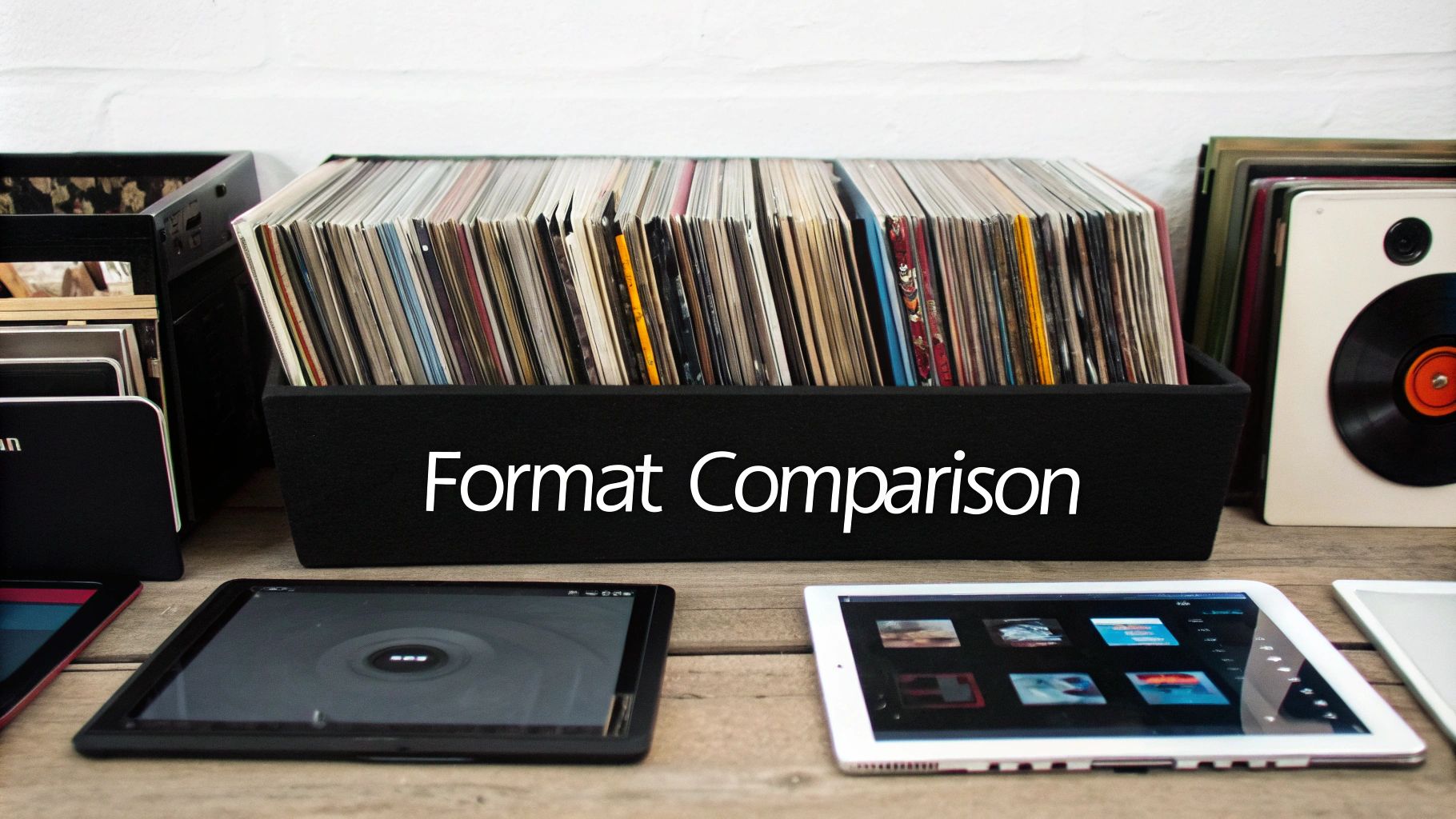
    To clarify the distinctions further, let’s look at a table summarizing the key differences between singles, EPs, and albums:

    Feature Single EP Album
    Number of Tracks 1-2 3-6 10+
    Duration 3-5 minutes 15-30 minutes 40-60 minutes
    Purpose Introduction, Promotion Exploration, Cohesion Full Artistic Statement

    This comparison highlights how each format contributes to an artist’s overall strategy. Each offers distinct pathways for creative expression and audience engagement. Ultimately, the choice between a single, EP, or album hinges on the artist’s goals and the message they wish to convey. By grasping these nuances, artists can strategically use each format to its full potential.

    History of EPs

    To fully define the EP in music, it’s essential to understand its history. Emerging from the vinyl era, the EP offered a middle ground between the single and the LP (Long Play). This new format carved out its own niche, providing a valuable platform for both artists and listeners, and laid the groundwork for its continued evolution into the digital music age.

    The Vinyl Era: The EP is Born

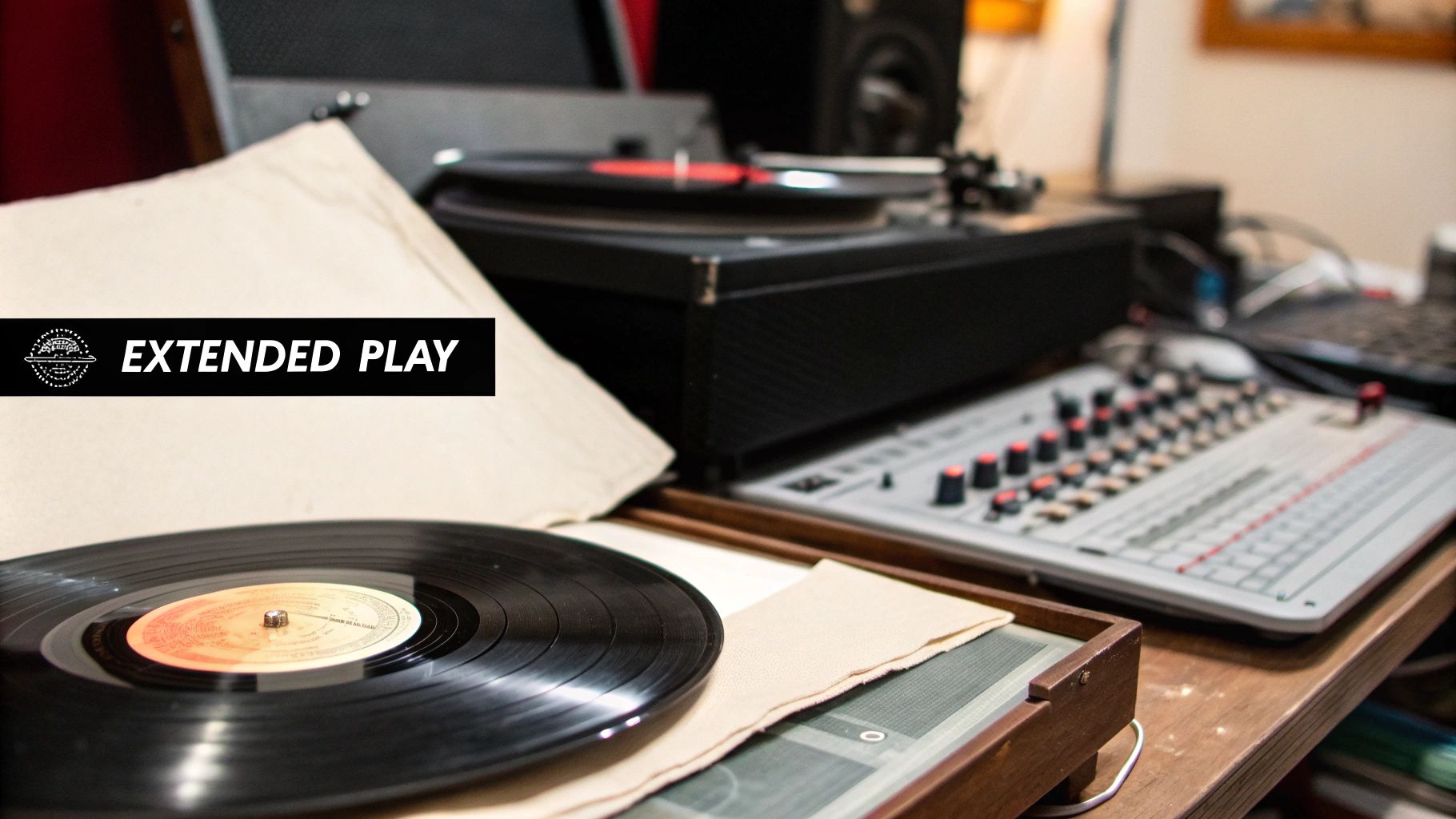
    The term “Extended Play” originated in the 1950s with the arrival of a new vinyl record format. Introduced by RCA Victor, this format held more music than a standard 7-inch single but less than a 12-inch LP, allowing for longer playing time — hence the name “EP.” This meant artists could release a collection of songs that didn’t quite warrant a full album but offered more than a single, effectively bridging the gap.

    This innovation presented a unique opportunity for artists like The Beatles and The Rolling Stones. Their influential EP releases in the early 1960s helped solidify the format’s place in the industry. These early EPs often featured a mix of existing singles and new material, giving fans a taste of the artist’s versatility while also providing a more affordable alternative to a full album. This contributed significantly to the EP’s growing recognition.

    The Digital Age: EPs Adapt

    The emergence of digital music and streaming platforms dramatically changed how we define the EP. The shift away from physical formats meant constraints like vinyl’s limited storage capacity were no longer relevant, opening new possibilities for EPs. The number of tracks and overall duration became more flexible. This allowed artists to use the format in various ways, from releasing acoustic versions of their songs to experimenting with new genres.

    Moreover, the digital age made music more accessible. Platforms like Spotify and Apple Music encouraged a culture of playlists and shorter listening sessions, making the concise format of the EP particularly attractive. In this on-demand environment, an EP offered a more digestible portion of music compared to an album, further redefining the EP’s role in music consumption.

    The Modern EP: A Strategic Advantage

    Today, the EP remains a vital part of the music industry. For emerging artists, it’s a valuable tool for building a following and demonstrating their talent without the considerable investment required for an album. For established artists, EPs offer a way to keep their audience connected between album releases, explore new sounds, or release collections of songs that don’t fit thematically into a larger project. This versatility continues to shape our understanding of the EP.

    In addition, EPs provide a tangible product for promotion, leading to increased visibility and potential live performance opportunities. This makes it a powerful tool for artists at all career levels, from building an initial audience to maintaining a strong presence in the industry. The ongoing evolution of the EP demonstrates its adaptability and enduring relevance in a constantly changing musical world.

    Modern EP Strategy

    Modern EP strategies in the music industry

    Now that we’ve explored the history of the EP and its general definition, let’s examine its modern applications in the music industry today. This section will explore how EPs are strategically used in artist development, marketing, and fan engagement. This knowledge will help musicians make informed decisions about their release strategies and maximize their music’s impact.

    A Launchpad for Emerging Artists

    For new artists, an EP can be a potent launchpad. It’s the ideal medium for presenting a concentrated dose of their artistry to the world. This focused collection acts as a strong first impression, effectively showcasing their potential and unique style. An artist could use an EP, for example, to gain initial traction on streaming services, attracting attention from record labels, playlist curators, and potential fans. This early buzz can be invaluable for building momentum.

    Maintaining Momentum for Established Artists

    The EP also offers strategic value for established artists. During the periods between album cycles, an EP provides fresh content to keep fans engaged and maintain a consistent presence in a quickly evolving music industry. Furthermore, it gives artists the freedom to experiment with new sounds or directions without the pressure associated with a full album release. This ability to explore and evolve keeps their music fresh and their audience interested.

    Targeted Marketing and Effective Promotion

    Understanding the modern EP also means recognizing its promotional potential. A new EP release provides a specific focus for marketing campaigns, giving artists a tangible product to promote and enabling more targeted and effective marketing strategies. For example, an artist might develop social media campaigns centered around the EP’s release, offer exclusive content to fans who pre-save the EP, or collaborate with influencers to expand their reach. These focused strategies can significantly amplify the EP’s impact.

    Strengthening Fan Connections

    Beyond promotion, EPs can help build stronger connections with fans. The shorter format provides a more intimate and focused listening experience, deepening the artist-fan relationship. This collection of songs can resonate with listeners on a deeper level, conveying a specific theme, emotion, or artistic message. This stronger connection can lead to increased fan loyalty and a more dedicated following.

    EPs in the Digital Era

    Defining the EP in today’s music scene requires acknowledging its role in the digital world. With the rise of streaming services, listeners often consume music in shorter bursts. The EP’s concise nature aligns perfectly with this trend, allowing artists to reach new listeners on platforms like Spotify and Apple Music. These listeners may then discover the artist’s other music, making the EP a powerful tool for broadening their reach and gaining wider recognition.

    EP Production Process

    The EP production process

    For any artist planning to release an EP, understanding the production process is essential. This section will outline the key steps involved, from initial concept to final distribution. This will provide a roadmap for artists, helping them navigate the process of creating and releasing their EP.

    Conceptualization and Planning: The Foundation

    The first step in EP production is the conceptualization phase. Before recording, artists should carefully consider the overall theme, sound, and target audience for their project. This involves brainstorming ideas, exploring different musical styles, and developing a unified vision. This planning stage is vital for creating a cohesive and effective EP. For instance, will the EP focus on a specific lyrical theme or showcase the artist’s versatility across different genres? A well-defined concept will guide the entire production process.

    Songwriting and Arrangement: Building the Core

    Once the concept is established, the next step is songwriting and arrangement. Here, the musical ideas take form. This involves transforming the initial concept into finished songs, writing lyrics, composing melodies, and structuring arrangements. An artist might begin with a basic chord progression, for example, and gradually build upon it, adding layers of instrumentation and vocal harmonies. This is a crucial stage, as it shapes the project’s sonic identity.

    Pre-Production and Demoing: Refinement

    Pre-production is where artists refine their songs and prepare for recording. This often involves making demos, experimenting with arrangements, and finalizing the overall sound of the EP. It’s like creating a blueprint for the recording process, allowing artists to make informed decisions about instrumentation, tempo, and sonic direction. This stage also allows for identifying potential challenges and making adjustments before entering the studio, ensuring a more efficient recording process.

    Recording and Production: Capturing the Vision

    The recording and production phase involves capturing the performances and shaping the EP’s final sound. This means working in a studio, recording instruments and vocals, and using various production techniques to create the desired sonic aesthetic. This stage requires meticulous attention to detail, from microphone placement to mixing and mastering, all of which contribute to the EP’s sonic quality. This process translates the artistic vision into a polished and professional-sounding product.

    Mixing and Mastering: The Final Polish

    After recording, individual tracks are mixed and mastered to create a cohesive and balanced sound. Mixing involves blending the various instrument and vocal tracks, adjusting levels, and adding effects. Mastering is the final step, where the overall sound is refined and optimized for different playback formats. This ensures that the EP translates well across various platforms, from streaming services to physical media. This final polish is crucial to how the listener experiences the music.

    Distribution and Marketing: Reaching the Audience

    Finally, once the EP is mixed and mastered, it’s time for distribution and marketing. This involves getting the music to the target audience through various channels like digital platforms, physical media, and promotional campaigns. Effective marketing strategies, including social media engagement, playlist pitching, and public relations, are essential for expanding the audience and building a fan base. This final step connects the finished product with listeners.

    Conclusion

    Defining an EP in music goes beyond its length; it involves understanding its strategic importance in the music industry. We’ve traced the EP’s evolution from its vinyl origins to its current presence in the digital age, observing how it bridges the gap between singles and albums, offering a unique space for artistic experimentation, fan connection, and career development.

    The Enduring Strength of the EP

    The EP isn’t just a shorter album; it’s a valuable tool with distinct advantages. For new artists, it’s a cost-effective launchpad, showcasing their potential and attracting attention, a crucial step in building a fanbase and gaining recognition. For established artists, the EP provides a platform for creative exploration and regular fan engagement between album releases, helping them maintain a strong presence in the fast-paced music world.

    Defining the EP: A Contemporary View

    Defining the EP today means recognizing its adaptability. It’s a format that has evolved alongside the music industry, demonstrating its resilience and continuing relevance. In today’s digital landscape, the EP’s concise format thrives on streaming services, aligning perfectly with modern listening habits. This makes it a powerful way to connect with new listeners and maintain existing fan engagement. The EP’s focused narrative also allows artists to explore specific themes or experiment with new sounds in depth.

    Looking Ahead: The Future of the EP

    As the music industry continues to change, the strategic use of the EP will likely become even more vital. Its flexibility, affordability, and promotional power make it an invaluable asset for artists at all stages of their careers. Understanding the EP’s definition and strategic value is crucial for anyone navigating the modern music industry. By embracing the EP format, artists can connect with their audience, build their careers, and make a lasting impact on the music world.

    Ready to improve your music promotion and maximize your impact? Promoly is an advanced platform designed to optimize audio marketing for record labels and artists. Check it out today: https://promo.ly


  • Boost Your Reach: Optimizing Your Music Website for Search Engines

    Boost Your Reach: Optimizing Your Music Website for Search Engines

    Having a stunning music website is just the first step. To truly stand out, you need to make it discoverable. Search engine optimization (SEO) is the key to driving traffic to your site, connecting with fans, and catching the attention of industry professionals. In this article, we’ll explore essential SEO strategies to help your music website rank higher and attract a wider audience.

    Understanding SEO for Music Websites

    Understanding SEO is crucial for an effective online presence. SEO encompasses techniques that improve a website’s visibility on search engines. By mastering SEO, you can enhance the likelihood of your music website appearing at the top of search results.

    What Is SEO?

    What Is SEO?

    SEO (Search Engine Optimization) is a collection of strategies aimed at increasing website traffic. It incorporates keyword research, on-page optimization, and link-building tactics to improve a site’s ranking on search engines.

    Keywords are terms potential fans and industry professionals use to find music-related content. On-page optimization includes optimizing metadata, headings, and images. Link-building fosters credibility, as quality backlinks from reputable sites signal authority to search engines.

    Why Is SEO Important for Musicians?

    SEO is essential for increasing your reach and engaging your audience. Ranking higher in search engine results makes it easier for fans to discover your music, leading to more plays, downloads, and engagement. Organic traffic generated through effective SEO strategies also helps you save on paid promotions while ensuring consistent growth.

    Optimizing your website isn’t just about reaching fans—it’s also about building credibility in the industry. With the right SEO practices, your site can attract producers, agents, and other music professionals. Tools like Promoly can complement your efforts by helping you track promotional campaigns and refine your strategy to maintain a strong online presence. Together, SEO and platforms like Promoly work to establish your music website as a professional and impactful hub for your brand.

    Key Elements of SEO

    Effective SEO is foundational for musicians aiming to enhance their website’s visibility. Understanding key elements can lead to improved search rankings, attracting more fans and industry professionals.

    Keyword Research

    Keyword research identifies terms and phrases that users search for related to your music. Focus on specific keywords relevant to your genre, style, and audience. Use tools like Google Keyword Planner or SEMrush to find keywords with high search volume and low competition.

    Aim for long-tail keywords, as these tend to attract more targeted traffic. For instance, instead of “rock music,” use “indie rock bands in New York.” Incorporating these keywords into your site content—such as blog posts, song descriptions, and metadata—optimizes your visibility on search engines.

    On-Page Optimization

    On-page optimization involves refining elements on your website to improve its quality for search engines and users. Focus on title tags, meta descriptions, headers, and URLs that include your primary keywords. Ensure your website is mobile-friendly, as a significant portion of traffic comes from mobile devices.

    Use alt text for images to describe visuals and incorporate relevant keywords, enhancing accessibility and searchability. Enhance load speed, as a fast site improves user experience and search engine rankings. Incorporating quality content regularly keeps your audience engaged and signals search engines that your site remains active and relevant.

    Technical SEO Considerations

    Technical SEO serves as the foundation for optimizing your music website, ensuring that search engines can effectively crawl, index, and rank your content. Prioritizing specific elements can significantly enhance your website’s overall performance and search visibility.

    Website Speed and Performance

    Website speed and performance are crucial for user engagement. A fast-loading site not only improves user experience but also directly influences search engine rankings. Aim for a loading time of three seconds or less, as studies show that 40% of users abandon a site that takes longer.

    Optimize images, leverage browser caching, and consider content delivery networks (CDNs) for speed enhancements. Tools like Google PageSpeed Insights offer insights and recommendations for achieving optimal performance.

    Mobile Optimization

    Mobile optimization is essential, given that over 50% of web traffic originates from mobile devices. Ensure your site uses responsive design, allowing it to adjust seamlessly to various screen sizes. Prioritize fast loading speeds and user-friendly navigation on mobile.

    Implementing structured data can also enhance mobile search visibility by providing search engines with context about your content. Test your site’s mobile-friendliness with Google’s Mobile-Friendly Test tool to identify potential improvements.

    Content Strategies for Music Websites

    Content Strategies for Music Websites

    Creating relevant content is vital for optimizing a music website for search engines. Engaging content not only attracts visitors but also encourages return visits.

    Blogging About Music

    Blogging serves as an effective strategy for showcasing your expertise and passion for music. Regularly posting articles about your latest projects, musical influences, or industry insights helps establish credibility.

    Focus on keywords relevant to your niche, like “indie music trends” or “upcoming artists in jazz.” Aim for at least one blog post per week to maintain consistency and boost SEO. Include call-to-action (CTA) sections in your posts to guide readers toward your music or merchandise, fostering deeper connections with your audience.

    Using Multimedia Effectively

    Utilizing multimedia elements enhances user engagement and keeps visitors on your site longer. Incorporate high-quality images, audio clips, and music videos to enrich the user experience. For example, embed YouTube videos that feature your performances or behind-the-scenes clips from recording sessions.

    Optimize all multimedia files by using descriptive file names and alt text, ensuring search engines can index them effectively. Prioritize mobile-friendly formats, as many users access content on their smartphones. This approach not only improves SEO but also cultivates a dynamic online presence that resonates with fans.

    Link Building Techniques

    Link building plays a critical role in enhancing your music website’s search engine optimization (SEO). Implementing effective strategies fosters connections and increases your site’s authority, eventually improving its visibility.

    Building Relationships in the Music Industry

    Building relationships in the music industry significantly enhances your link-building efforts. Connect with fellow musicians, industry professionals, and influencers through social media, forums, and music events. Collaborating on projects, sharing insights, or participating in interviews creates opportunities for backlinks.

    When your peers or collaborators mention your website, it builds credibility and drives organic traffic. Purposely engage in community-oriented initiatives, like charity concerts or music festivals, to expand your network further and gain access to more linking possibilities.

    Guest Blogging Opportunities

    Guest blogging is an effective technique for obtaining backlinks while sharing your expertise. Identify reputable music blogs or websites relevant to your genre and propose high-quality content that aligns with their audience. Craft informative articles or engaging posts that showcase your knowledge, insights, and experiences in the music industry.

    When published, these guest posts provide valuable backlinks to your site, improving its authority and search engine ranking. Ensure that you include a link back to your website within the content, ideally in a natural context. Prioritize blogs with high domain authority and engaged audiences to maximize the impact of your guest blogging efforts.

    Conclusion

    Optimizing your music website for search engines is essential for reaching your audience and growing your fanbase. By implementing effective SEO strategies, you can enhance your visibility and create a strong online presence. Prioritize keyword research on-page optimization and quality content to engage visitors and improve your rankings.

    Don’t underestimate the power of link-building and technical SEO. A fast-loading mobile-friendly site will keep users engaged and signal to search engines that your content is relevant. By focusing on these elements, you’ll not only attract more traffic but also foster meaningful connections within the music industry. Embrace these practices and watch your music career thrive online.

     
  • 10 Powerful Storytelling Techniques to Connect with Your Music Fans

    10 Powerful Storytelling Techniques to Connect with Your Music Fans

    Connecting with fans isn’t just about delivering great music—it’s about sharing stories that resonate. When you use storytelling to bring your experiences and creative process to life, you build a deeper bond with your audience. These narratives make your music more meaningful and transform casual listeners into loyal supporters.

    Picture sharing the inspiration behind a song or the journey it took to create your latest album. By opening up, you invite fans into your world, fostering emotional connections that last. In this guide, we’ll uncover storytelling techniques that help you captivate your audience and create a thriving community around your music.

    The Power of Storytelling in Music

    Storytelling is essential in music, helping artists connect deeply with their fans. By adding context to lyrics, it makes songs more relatable and memorable. When artists share their personal stories, they invite listeners to experience their journeys, creating stronger emotional bonds.

    Emotions drive these connections. Sharing your struggles, triumphs, and dreams allows listeners to relate to your authenticity, fostering a sense of belonging. Fans often connect with songs about heartbreak or personal growth, forming a bond that goes beyond enjoying the music.

    Personal stories also enhance live performances. When artists share the meaning behind their songs during shows, it deepens audience engagement. This storytelling approach makes concerts more immersive and memorable, encouraging fans to follow the artist’s journey.

    Cultural narratives add another layer of connection. Music can reflect societal issues, and by weaving these themes into lyrics, artists can reach a wider audience. Songs about social justice, for example, can spark important conversations and inspire change.

    Effective storytelling uses vivid imagery, relatable characters, and a clear narrative structure with a beginning, middle, and end. These elements draw listeners in, making them emotionally invested in your music.

    Incorporating storytelling into your music can build a loyal fanbase. Sharing your journey helps create a community that supports you and your artistry, turning casual listeners into lifelong fans.

    Understanding Your Audience

    Understanding Your Audience

    Engaging music fans requires a deep understanding of their preferences and values. By knowing your audience, you can tailor your storytelling techniques to resonate with them on a meaningful level.

    Identifying Your Core Fans

    Identifying your core fans involves recognizing the specific demographics and psychographics of those who connect most with your music. Create profiles based on factors such as age, location, and musical preferences. Use social media insights and streaming analytics to gather data about your listeners.

    Focus on the characteristics that define your top supporters, including their interests, lifestyles, and motivations for listening to your music. This method allows you to craft personalized narratives that appeal to their unique experiences, fostering stronger emotional connections.

    For example, if your core fans are young adults passionate about social justice, weave narratives that reflect those issues in your lyrics and performances.

    Analyzing Fan Feedback

    Listening to fan feedback is key to refining your storytelling. Use tools like surveys and social media polls to gather insights on how listeners connect with your music. Platforms like Promoly can simplify this process by tracking fan engagement and feedback, helping you understand what stories and themes resonate most.

    Pay attention to recurring themes, suggestions, and emotional responses shared by your fans. Interpret this feedback critically to refine your storytelling approach. For instance, if fans express a strong connection to certain songs’ backstories, deepen your narrative elements in future projects.

    Engaging directly with fans through Q&A sessions and live streams can also foster a sense of community while allowing you to adapt your storytelling to their interests, making your music even more relatable and impactful.

    Key Storytelling Techniques

    Connecting with music fans involves employing effective storytelling techniques that resonate on a personal level. These techniques not only enhance your music but also strengthen your bond with listeners.

    Creating Relatable Narratives

    Craft relatable narratives by sharing authentic experiences and emotions. Focus on moments of vulnerability, joy, or struggle in your journey. Emphasize universal themes such as love, loss, or perseverance, allowing fans to see themselves in your stories.

    Personalizing your lyrics creates a bridge, enabling listeners to connect deeply with your music. Use specific details, like vivid scenes or recognizable feelings, to paint a picture that resonates. When fans feel your struggles reflect their own, they become more than just listeners; they evolve into loyal supporters.

    Using Visuals to Enhance Stories

    Use visuals to amplify your storytelling. Accompany music videos or live performances with captivating imagery that aligns with your narratives. Use colors, textures, and symbols that evoke specific emotions.

    For example, a dark and moody visual can heighten feelings of sadness in a ballad, while bright, vibrant visuals can express joy in an upbeat track. Infographics or lyric videos can further engage fans by providing context and additional layers to your stories.

    Well-designed visuals not only capture attention but also create memorable experiences, encouraging fans to share and discuss your music long after the initial encounter.

    Engaging Fans Through Different Mediums

    Engaging Fans Through Different Mediums

    Engaging music fans requires a multifaceted approach that utilizes various platforms and performances for storytelling.

    Social Media Platforms

    Social media platforms act as powerful tools for connecting with music fans. Use platforms like Instagram, Facebook, Twitter, and TikTok to share behind-the-scenes stories, personal anecdotes, and song inspirations. Post photos, short videos, and live updates that reflect your artistic journey.

    Encourage interaction by asking questions and responding to comments, creating a dialogue with fans. Tailor content to each platform’s uniqueness; for example, share snippets of new music on TikTok while showcasing longer narratives on Instagram Stories or Facebook.

    Utilizing hashtags can increase visibility, helping you reach a broader audience and draw in new supporters. Consistency in storytelling across these channels reinforces your brand, ensuring that fans remain engaged and invested in your evolution as an artist.

    Live Performances

    Live performances serve as dynamic storytelling environments. Use the stage as more than just a place to play music; transform it into an immersive experience. Share the backstory behind songs, personal reflections, or challenges faced during your journey.

    Incorporate visuals, like engaging backdrops or video displays, to enhance the narrative. Use lighting and soundscapes to set the mood and evoke emotions that resonate with the audience. Encourage participation by inviting fans to share their stories during performances.

    This connection turns concerts into communal experiences, fostering loyalty and deeper emotional ties. Every live show becomes a chapter in your unfolding story, fostering a sense of belonging among fans.

    Measuring the Impact of Storytelling

    Measuring the impact of storytelling involves evaluating how narratives influence fan engagement and loyalty within the music community.

    Fan Engagement Metrics

    You can assess fan engagement through various metrics that indicate how well your storytelling resonates with your audience. Key performance indicators (KPIs) include social media interactions, such as likes, shares, and comments, which provide insight into how your audience connects with your narratives.

    Track streaming data to analyze the correlation between storytelling elements and increased plays or downloads of specific songs. Also, survey responses can reveal fans’ emotional connections to your stories and how those connections affect their overall loyalty.

    Metrics such as email open rates or ticket sales for live events can also reflect the success of your storytelling in cultivating a dedicated fan base, highlighting the importance of adapting your narrative based on audience feedback.

    Success Stories from Artists

    Numerous artists successfully leverage storytelling to connect with fans, showcasing the diverse techniques used in their music. For example, Taylor Swift’s storytelling prowess lies in her autobiographical songwriting, inviting listeners into her life experiences, which creates a deep emotional bond.

    Similarly, Lin-Manuel Miranda crafts narratives in “Hamilton” that emphasize historical storytelling, making it accessible and relatable for modern audiences. These success stories illustrate how effective narratives can drive fan engagement, translating into sold-out shows and avid social media followers.

    By examining these artists, you can draw inspiration for your storytelling, considering how personal anecdotes or broader cultural themes resonate with your audience and impact their connection to your music.

    Conclusion

    Embracing storytelling techniques can truly elevate your connection with music fans. By sharing personal experiences and relatable narratives, you create a bond that goes beyond just the music. This emotional engagement transforms casual listeners into dedicated supporters.

    Remember to leverage various platforms to tell your stories. Whether through social media or live performances, every opportunity is a chance to deepen that connection. Your audience craves authenticity and relatability, so don’t hesitate to share your journey.

    As you refine your storytelling approach, pay attention to fan feedback. Understanding what resonates with your audience will help you craft compelling narratives that keep them engaged. By weaving stories into your music, you’re not just sharing songs; you’re building a community that celebrates your art together.

     
  • Creating Buzz for Album Launch Events: Proven Strategies to Engage Your Audience

    Creating Buzz for Album Launch Events: Proven Strategies to Engage Your Audience

    Launching an album is more than just releasing music; it’s about creating an unforgettable experience that resonates with your audience. With the right buzz, you can transform a simple launch into a memorable event that draws fans in and keeps them talking long after the last note fades.

    Standing out in a crowded industry requires creativity, strategy, and connection. From leveraging social media and influencer collaborations to planning immersive events, the art of creating buzz around your launch can define your success.

    Whether you’re an emerging artist or an industry veteran, this guide will help you turn your release into an unforgettable event that elevates your brand.

    Importance Of Creating Buzz For Album Launch Events

    Importance Of Creating Buzz For Album Launch Events

    Creating buzz for album launch events serves as a critical component for artists in the competitive music industry. Buzz generates excitement, engagement, and anticipation, making your album more than just another release. It transforms an ordinary event into a significant cultural phenomenon.

    • Increased Visibility: Increased visibility occurs as buzz spreads across various platforms. Social media plays a pivotal role, enabling you to reach diverse audiences quickly. Engaging posts, sneak peeks, and interactive content amplify your message, attracting potential fans.
    • Enhanced Audience Engagement: Enhanced audience engagement fosters a deeper connection between you and your listeners. Inviting fans to participate in the album trajectory through polls, contests, or teaser content encourages loyalty and investment in your music. The more engaged your audience, the more likely they are to share your content.
    • Strengthening Brand Identity: Strengthening brand identity involves aligning your music with a relatable narrative. Establishing a unique theme or message around your album creates a cohesive identity. This strategy helps fans understand your artistic vision while differentiating you from other artists.
    • Generating Media Interest: Generating media interest is another benefit of creating buzz. When anticipation builds, media outlets gravitate toward covering your launch. Targeted press releases and influencer partnerships can help secure coverage, further expanding your reach and credibility.
    • Driving Ticket Sales: Driving ticket sales results from increased excitement. Fans eager to experience your album live are more likely to purchase tickets immediately. Special promotions, like early-bird discounts or exclusive meet-and-greets, can incentivize sales and create additional buzz.
    • Fostering Community: Fostering community allows fans to feel part of something larger. Launch events that encourage fan interaction, create memories, and strengthen community ties. Engaging with fans on social media platforms before and during the event can solidify this connection.

    Summarizing, creating buzz for album launch events accomplishes multiple objectives, from visibility to engagement, eventually leading to a successful release. Prioritizing this strategy can significantly impact how your album is received and enjoyed.

    Strategies For Generating Anticipation

    Creating buzz for your album launch event relies on strategic efforts that capture interest and engage your audience. Innovative approaches ensure that fans are eagerly awaiting your release, maximizing impact and reach.

    Social Media Campaigns

    Use targeted social media campaigns to build anticipation. Schedule countdown posts that highlight sneak peeks of your music, artwork, and behind-the-scenes glimpses. Create shareable content like teaser videos or graphics that encourage followers to spread the word.

    Engage directly with your audience through polls or question sessions, fostering a sense of community. Leverage various platforms—Instagram for visuals, Twitter for updates, and TikTok for creative challenges—to reach broader demographics effectively. Analyze engagement metrics to adjust your strategy, ensuring optimal impact leading up to the launch.

    Influencer Collaborations

    Incorporate influencer collaborations to amplify your reach. Identify influencers within your genre who resonate with your target audience. Develop partnerships where they share exclusive content or host giveaways featuring your music.

    Encourage them to convey personal stories about your work, adding authenticity and relatability. Ensure that these influencers align with your brand identity, maintaining a cohesive narrative. Track engagement and feedback from influencer-led posts to gauge the effectiveness of these collaborations and refine future efforts.

    Engaging The Audience

    Engaging your audience is vital for a successful album launch. Captivating strategies create memorable experiences that resonate with fans and strengthen connections.

    Interactive Content

    Engaging The Audience with Interactive Content

    Interactive content involves engaging your audience through quizzes, polls, and live Q&A sessions. These elements stimulate participation, allowing fans to express opinions and preferences about your upcoming album. For example, consider hosting a poll on social media where fans can vote for their favorite song from the album.

    This interaction not only fosters a sense of involvement but also provides valuable insight into audience preferences. Also, hosting live Q&A sessions on platforms like Instagram or Facebook allows you to directly connect with fans, answer their questions, and share stories, enhancing their emotional investment in your music.

    Exclusive Previews

    Exclusive previews generate excitement by providing your audience with a sneak peek of your new music. Share behind-the-scenes content, such as snippets of songs or footage from your recording sessions. Offering advance access to select tracks or special merchandise creates a sense of urgency and exclusivity.

    Consider launching a limited-time opportunity for fans to pre-order the album, bundled with exclusive content such as signed posters or VIP event tickets. This not only boosts sales but also strengthens your relationship with fans, making them feel special and appreciated.

    Event Planning Essentials

    Successful album launch events hinge on well-thought-out planning. Engaging audiences through immersive experiences can significantly enhance excitement and anticipation.

    Venue Selection

    Selecting the right venue plays a crucial role in setting the tone for your album launch event. Consider locations that resonate with your music genre, whether it’s an intimate club for indie sounds or a large theater for pop releases.

    Evaluate factors like capacity, accessibility, and ambiance. Ensure the venue has the necessary technical equipment, including sound systems and lighting setups. Interesting art installations or decor can also enhance the atmosphere, making it visually appealing. Also, scout places that align with your brand identity and create a memorable backdrop for photos and social media sharing.

    Timing And Scheduling

    Timing influences attendance and engagement. Choose a date that avoids conflicts with major holidays or local events, maximizing potential turnout. Aim for an evening or weekend to accommodate most fans’ schedules. Schedule engaging activities throughout the event, including performances, meet-and-greets, and Q&A sessions.

    Consider incorporating a countdown to the album release, building anticipation moment-to-moment. Effective timing also includes promoting the event in advance—ideally, at least four to six weeks prior. This strategy allows adequate notice for fans to plan attendance and heightens excitement through a gradual buildup.

    Measuring Success

    Measuring the success of your album launch events involves a systematic approach that evaluates audience engagement and feedback. These insights shape future strategies and enhance overall event effectiveness.

    Analyzing Engagement Metrics

    Analyzing engagement metrics reveals how well your promotional efforts resonate with your audience. Focus on key performance indicators (KPIs) such as social media interactions, website traffic, and ticket sales.

    For instance, if you run a promotional campaign and see a 30% increase in social media followers, that indicates heightened interest. Use tools like Google Analytics to track website visits and engagement duration. Monitor social media platforms for shares, likes, and comments following event announcements.

    Promoly simplifies tracking and analyzing promotional performance, providing real-time insights into audience engagement. By leveraging its analytics features, you can adjust your campaigns on the fly, ensuring maximum impact for your album launch.

    These insights not only highlight your strengths but also reveal areas for improvement, enabling you to fine-tune your strategies and ensure even greater success with future releases.

    Feedback Collection

    Feedback collection offers invaluable insights into attendee experiences and perceptions. Engage with your audience through surveys and post-event evaluations. Target both qualitative and quantitative feedback.

    For example, ask attendees to rate their enjoyment on a scale from one to ten and provide additional comments about their experiences. Use tools like SurveyMonkey or Google Forms to streamline this process.

    Also, monitor conversations on social media platforms for unfiltered opinions. Integrating this feedback into planning future events highlights areas for improvement, fostering a deeper connection with your audience. Listening to attendees also encourages loyalty, as they feel their voices are valued in shaping the artist’s journey.

    Conclusion

    Creating buzz for your album launch event is essential in today’s competitive music scene. By engaging your audience and leveraging innovative marketing strategies, you can transform a simple release into a memorable experience. Focus on building excitement through social media interactions, exclusive previews, and partnerships with influencers to enhance your reach.

    Remember the importance of planning an immersive event that resonates with your brand and audience. By measuring your success and gathering feedback, you can refine your approach for future launches. Eventually, the effort you put into generating buzz will not only elevate your album’s impact but also foster a loyal community around your music.

     
  • Authentic Strategies for Integrating Brand Products in Music Videos

    Authentic Strategies for Integrating Brand Products in Music Videos

    Music videos are no longer just a medium for artistic expression—they’ve evolved into impactful marketing tools. You’ve probably noticed how seamlessly certain brands appear in music videos, complementing the story while subtly promoting their products. When done authentically, this strategy creates emotional connections that resonate with audiences and amplify a song’s influence.

    However, authenticity is crucial. Forced or out-of-place placements can undermine both the video’s message and the brand’s credibility. This article dives into effective strategies for integrating brands in music videos, highlighting the importance of maintaining creative integrity while maximizing promotional value. Let’s explore how music and marketing merge to create powerful, engaging content.

    Importance Of Authenticity In Music Videos

    Authenticity plays a crucial role in the integration of brand products within music videos. Viewers expect genuine representations, making it essential for artists and brands to collaborate effectively.

    Connection Between Music And Brands

    Music creates emotional resonance and community among listeners, forging strong connections with brands that align with their values. Successful product placements enhance the storytelling in a music video, making products feel organic rather than forced. Brands that authentically fit within a song’s narrative not only capture attention but also foster loyalty among consumers, as audiences identify with the lifestyle portrayed in the video.

    Impact On Audience Perception

    Audience perception shifts based on the authenticity of brand integration. Genuine placements enhance credibility and strengthen brand affinity, while disingenuous efforts lead to skepticism and disengagement. Viewers often discern when a product feels out of place; this awareness can damage both the artist’s reputation and the brand’s image. Engaging, authentic content builds trust, encouraging viewers to connect with both the music and the brands involved.

    Strategies For Authentic Integration

    Strategies For Authentic Integration

    Integrating brand products in music videos requires a thoughtful approach that prioritizes authenticity. Successful strategies ensure the inclusion feels seamless and enhances the overall narrative.

    Collaborations With Artists

    Partnering with artists creates opportunities for organic brand integrations. Collaborations should focus on shared values and aesthetics to strengthen the message. Effective partnerships allow artists to authentically weave products into their creative expression.

    For instance, a musician passionate about sustainability might feature eco-friendly products naturally within their visual storytelling. This synergy fosters credibility, making it easier for audiences to connect with both the music and the brand.

    Natural Placement Within Storylines

    Placing products in a manner that aligns with the video’s storyline enhances viewer immersion. Artfully integrating brand items into key scenes ensures they complement the narrative rather than distract from it. For example, showcasing a beverage in a celebratory scene or incorporating fashion items into a performance can enhance the storyline’s authenticity.

    Prioritizing context over visibility helps maintain viewer engagement and reinforces the emotional connection with the content, fostering a more profound appreciation for both the music and the featured brands.

    Case Studies Of Successful Integrations

    Successful integrations of brand products within music videos exemplify the power of authenticity in marketing. This section explores notable instances that highlight genuine connections between artists and brands.

    Analysis Of Popular Music Videos

    Many music videos effectively showcase brand integrations that feel organic and enhance storytelling. For instance, Beyoncé’s “Lemonade” features a strong narrative interwoven with visuals of various brands, including Tiffany & Co. This collaboration resonates deeply with viewers, creating a sense of luxury that aligns with her artistic identity.

    Similarly, Travis Scott’s “SICKO MODE” utilizes the Air Jordan brand throughout its vivid scenes, merging athletic culture with music seamlessly. These successful integrations provide brands with deeper engagement, as they resonate with audiences in ways that traditional advertising often fails to achieve.

    Lessons Learned From Failed Integrations

    Several music videos illustrate the pitfalls of disingenuous product placements. Consider the backlash against Justin Bieber’s music video for “What Do You Mean?” where the clumsy inclusion of a specific smartphone felt forced and drew criticism from fans.

    This highlights the importance of genuine storytelling—uncharacteristic placements can detract from viewer immersion and create skepticism. Similarly, Katy Perry’s “Last Friday Night” featured numerous brands that, while prominent, drew attention away from the song’s narrative.

    These examples demonstrate that failed integrations can lead to negative audience reception, showcasing the need for thoughtful and authentic partnerships in music marketing.

    The Role Of Social Media

    The Role Of Social Media

    Social media profoundly impacts brand integrations in music videos. Platforms help direct engagement between artists and fans, amplifying brand visibility and fostering authentic connections.

    Amplifying Brand Visibility

    Social media serves as a powerful tool for expanding the reach of integrated brand products. Posts featuring music videos can generate millions of views and shares across platforms like Instagram, TikTok, and YouTube. For instance, when artists actively promote their videos, they drive organic traffic and encourage audience participation.

    Authentic integrations attract attention, prompting fans to discuss and share content that resonates with them. By leveraging hashtags and engaging with fans, brands can create a community around their products while enhancing visibility among target demographics. This synergy maximizes exposure and aligns brand messaging with the influencer power of music.

    Engaging Viewers Through Interactive Content

    Interactive content on social media enhances viewer engagement with music videos and integrated products. Platforms offering features like polls, questions, and comments allow fans to participate actively in the conversation around the video. For instance, artists can pose questions about their featured brands, prompting fans to share their thoughts and experiences.

    Tools like Promoly can help artists and brands track engagement metrics, refine their campaigns, and ensure seamless coordination of promotional efforts across social platforms. By leveraging platforms that simplify campaign management, you can focus on crafting authentic content that resonates deeply with your audience.

    These interactions deepen the connection between fans, artists, and brands, making the integration feel less like an advertisement and more like a shared experience. Social media’s influence ensures that music videos remain a dynamic platform for cultural storytelling and brand promotion.

    Conclusion

    Integrating brand products in music videos isn’t just about visibility; it’s about authenticity. When done right, these collaborations can create a powerful connection between the music and the brand. You can enhance storytelling and engage audiences by focusing on natural placements that align with the artist’s vision.

    Remember, today’s viewers are savvy and can spot inauthenticity from a mile away. Prioritizing genuine partnerships will not only build trust but also foster brand loyalty. As you explore these integrations, keep in mind that the best results come from collaborations rooted in shared values and creativity. Embrace the potential of music videos as a canvas for authentic brand storytelling and watch as both the music and the brand thrive together.