Category: Music Marketing

  • How to Get More Listeners on Spotify: Organic and Paid Strategies

    How to Get More Listeners on Spotify: Organic and Paid Strategies

    Optimize Your Spotify Profile

    Your Spotify profile is the first thing potential listeners see. It's their introduction to your music, so making it attractive and professional is essential for building a following. Think of it as your online storefront: a well-designed, inviting space draws customers in, while a disorganized one might send them elsewhere. Optimizing your profile is the first step in growing your Spotify audience.
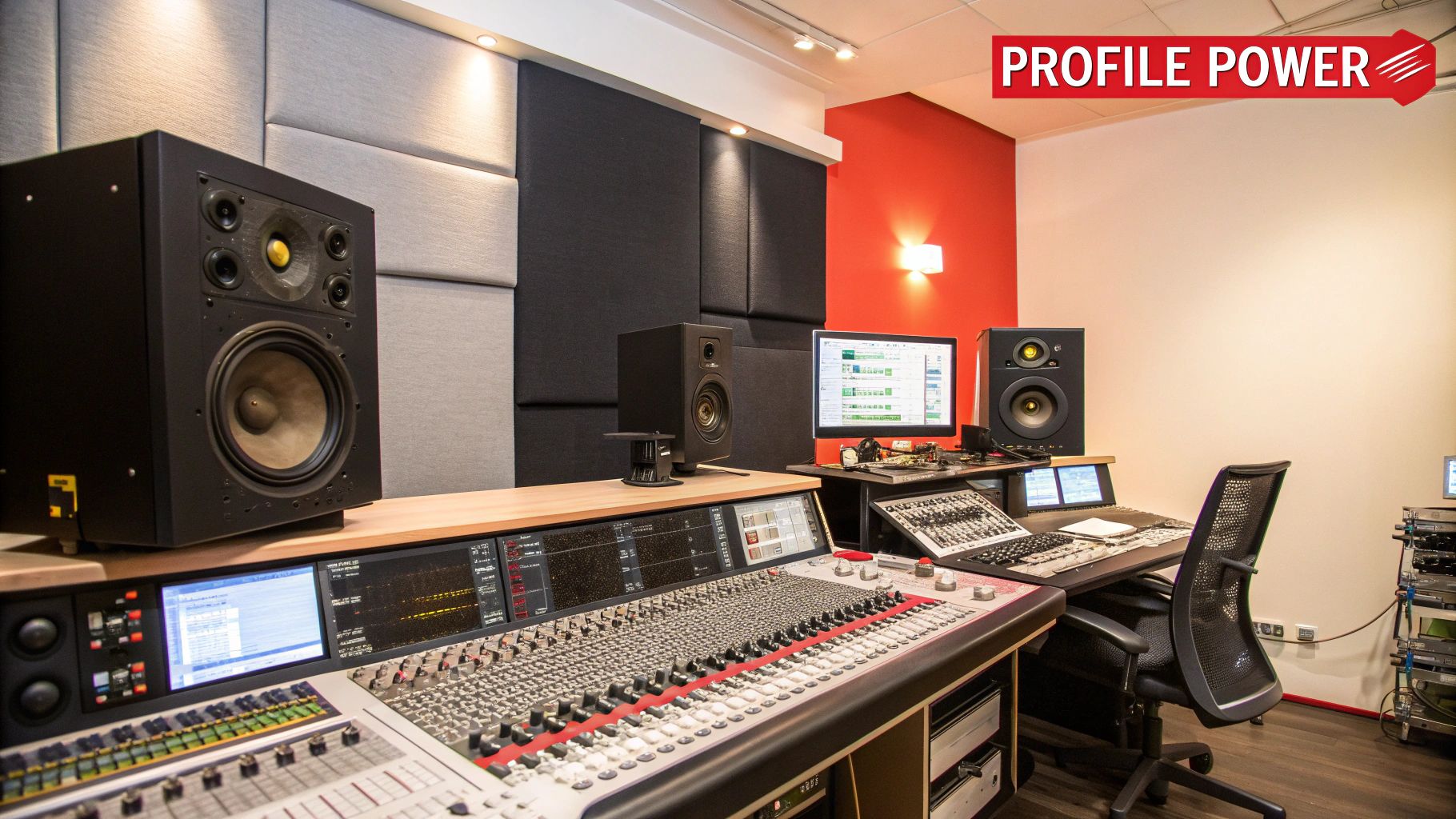
    Guidelines for creating an appealing and professional artist profile on Spotify, including profile picture, bio, and artist playlist optimization.

    Crafting a Captivating Bio

    Your bio is a chance to connect with potential fans on a personal level. It's not just about listing your achievements, but about sharing your story. What drives your creativity? Who are your musical influences? Sharing these details helps create a real connection and makes you relatable. Keep it concise and engaging. A long, rambling bio can lose a reader’s interest. Instead, aim for a compelling snapshot that captures who you are as an artist. This draws listeners in and makes them want to hear more.

    Choosing the Perfect Profile Picture

    Your profile picture is the visual cornerstone of your Spotify presence. Like a striking album cover, a high-quality profile picture immediately grabs attention. Ensure it reflects your style as an artist and is recognizable, even at a small scale. A blurry or pixelated image can appear unprofessional, while a clear, well-lit photo projects a sense of polish and credibility. This helps build trust with potential listeners.

    Curating Your Artist Playlists

    Spotify gives artists the ability to create their own playlists, a valuable tool for showcasing both your music and your influences. Create playlists that weave your tracks together with similar artists, introducing your listeners to new music while highlighting your own work. This provides valuable content and context, helping listeners discover your sound. For example, an "Influences" playlist highlighting the music that inspires you can offer a deeper understanding of your artistic vision. Keeping your playlists fresh with new additions also helps maintain audience engagement.

    Organic and Paid Promotion

    Growing your audience on Spotify involves a mix of organic and paid strategies. Organic methods, like connecting with fans on social media and collaborating with other artists, build a dedicated following. Paid promotion, such as Meta ads, can significantly expand your reach. Consider paid promotion as a way to boost your organic efforts, increasing visibility and accelerating growth. This dual approach will build a robust listener base.

    If you've compiled a list of Spotify playlist curators, services like Promoly can streamline your music delivery. This allows for efficient and focused promotion, improving your chances of getting featured on influential playlists, which is essential for growing your audience. Combining these strategies creates a powerful synergy, effectively reaching your target demographic.

    Release Strategy

    A thoughtful release strategy is as important as the music itself. Just as you wouldn't plan a tour without thinking about venues and dates, releasing music requires a calculated approach to capture attention. Careful planning is essential for gaining listeners.

    Timing is Everything

    When you release your music can greatly impact its performance. While no perfect formula exists, understanding your audience’s listening habits is essential. For instance, releasing music on a Friday, before the weekend begins, can capitalize on increased listening. Coordinating releases with other promotions, such as social media campaigns or live shows, also maximizes exposure.

    Finding Your Rhythm: Release Frequency

    The frequency of releases should balance keeping your audience engaged without overwhelming them. Releasing too often can lessen the impact of individual tracks, while releasing too infrequently might cause listeners to lose interest. A consistent release schedule, whether weekly, bi-weekly, or monthly, helps build anticipation and establishes a rhythm listeners can follow. It’s like a favorite TV series: viewers tune in because they know when to expect new episodes.

    Organic and Paid Promotion for Releases

    Promoting new releases requires a multifaceted approach. Sharing on social media and engaging with fans builds a loyal following over time. However, paid promotion, such as Meta ads, can significantly boost reach, exposing your music to a wider audience more quickly. Services like Promoly can be helpful for delivering music to a curated list of Spotify playlist curators. This targeted approach increases chances of placement on influential playlists, a critical step in gaining listeners. Combining organic methods with paid promotion expands your listener base.

    Playlist Submission Tactics

    Getting your music featured on Spotify playlists is a cornerstone of reaching a wider audience. It’s like securing prime shelf space in a music store: increased visibility directly translates into more potential fans. This requires a strategic approach, combining organic relationship building with the effective use of promotional resources.
    Step-by-step guide for submitting music to Spotify playlists and building relationships with playlist curators.

    Building Relationships with Playlist Curators

    Playlist curators are tastemakers in the digital music realm. They hold the attention of an audience eager to discover new music. Building genuine relationships with them is a long-term investment. Engage with their playlists, understand their musical tastes, and connect with them on social media. Leaving thoughtful comments on their playlists demonstrates genuine interest and might get you noticed. Building a foundation of mutual respect increases your chances of getting your music heard.

    Leveraging Spotify for Artists and Direct Submissions

    Spotify for Artists provides a tool to directly submit music for editorial playlist consideration. Carefully completing the genre, mood, and style information increases the likelihood of placement on suitable playlists. For pre-existing curator contacts, platforms like Promoly can streamline direct submissions, acting as a central hub for managing promotional efforts and gathering feedback. This focused approach helps secure playlist placements.

    Blending Organic and Paid Strategies

    While organic playlist placement is powerful, paid promotion through platforms like Meta ads can substantially expand reach. Use paid advertising to complement your organic efforts. It enables you to target specific demographics and introduce your music to potential listeners who might not otherwise find you. Increased exposure can lead to more organic placements and followers, creating a positive feedback loop. For example, a targeted ad campaign can drive traffic to your Spotify profile, indicating to curators that your music is gaining popularity.

    Maintaining Momentum and Engaging with Listeners

    Getting your music on playlists is a significant accomplishment, but the journey continues. Engage with your new listeners to cultivate a loyal fanbase. Respond to comments, participate in online conversations, and create your own playlists to build community. Use Spotify for Artists' analytics to track playlist performance, understanding what resonates with your audience and informing future playlist submission strategies. This data-driven approach allows you to refine your methods and encourage continued growth and listener engagement.

    Social Media Integration

    An active and engaging social media presence is essential for attracting new listeners. Your social media platforms are like extensions of your Spotify profile, broadcasting your music to a larger audience. Building a community and fostering real connections is crucial.

    Cross-Promotion and Content Strategies

    Regularly sharing your Spotify link across your social media channels is essential, but it's not enough on its own. Create engaging content that provides value and context. Share behind-the-scenes glimpses of your creative process, preview upcoming releases, or host live listening sessions. This personalizes your connection with your audience. Contests and giveaways also incentivize engagement and attract new followers, creating excitement and drawing listeners to your Spotify profile.

    Targeted Advertising with Meta Ads

    Organic reach is important, but paid advertising on platforms like Meta Ads can substantially amplify your efforts. These platforms allow you to target specific demographics and interests, ensuring your message reaches the right people. If you make electronic music, for instance, you could target ads towards users who follow similar artists or attend electronic music events. This approach optimizes your advertising budget and brings engaged listeners to your profile. You can tailor ads to specific goals, such as increasing pre-saves for a new release or boosting followers.

    Engaging with Your Audience

    Building a loyal following requires active engagement. Respond to comments, join discussions, and create a sense of community around your music. This demonstrates that you value your fans, strengthening their connection with your work and leading to increased streams and shares on Spotify. Ask for song suggestions for your next live stream, or for feedback on merchandise ideas. Direct engagement shows you value your listeners' input and fosters a stronger connection. This leads to a more involved audience on Spotify, potentially boosting algorithmic visibility and expanding organic reach. Consistent social media interaction is key to gaining Spotify listeners.

    Analytics and Growth

    Understanding Spotify for Artists analytics is essential for growing your audience and gaining listeners on Spotify.

    Understanding your audience is vital, and Spotify provides the tools to make that a reality. Using Spotify for Artists' analytics effectively gives you valuable data to inform your promotional strategies. This data enables you to adjust your approach, optimize your content, and expand your listener base.

    Key Metrics to Track

    Spotify for Artists offers a wealth of information. Focus on key metrics for efficient analysis. These metrics are like vital signs for your music's performance, showing what’s working and what needs adjusting. Tracking total streams is a good starting point, but more granular metrics provide greater insight:

    • Streams by Playlist: This shows which playlists are driving the most traffic, highlighting successful playlist placements and informing future submissions. This helps you focus on playlists and curators that resonate with your audience.
    • Listener Demographics: Understanding your audience's age, gender, and location helps tailor content and advertising more effectively. If your music appeals to a younger demographic, for example, you can adapt your social media strategies accordingly.
    • Follower Growth: While streams represent immediate engagement, follower growth signifies sustained interest. This is a valuable indicator of how effectively you're building a loyal fan base and allows you to assess your promotional effectiveness.
    • Save Rate: Listeners saving your tracks indicates genuine appreciation. A high save rate suggests your music is resonating and can signal to Spotify's algorithm that your music should be highlighted more prominently.

    Utilizing Data to Refine Strategies

    Data requires action to be effective. Regular review of your Spotify for Artists analytics allows you to refine your promotional efforts, optimizing for listener growth. If a specific playlist is performing well, contact the curator to explore future collaborations. If your listener demographics are concentrated in a particular region, consider targeting your advertising there. Analyze how your organic promotion impacts follower growth. If your social media campaigns aren't attracting new listeners, experiment with different content formats. This iterative process is crucial for continuous improvement.

    Analyzing your save rate can inform content creation. If certain tracks have a much higher save rate than others, examine what sets them apart. Perhaps it's the tempo, the lyrics, or the overall mood. Recognizing these patterns allows you to refine your creative process and create music that resonates strongly with your audience. This data-driven approach is essential for lasting growth. Use Spotify's analytics to nurture your audience and cultivate a flourishing listener base.

    Advertising and Promotion

    Once your profile is optimized, your release strategy is honed, and your music is submitted to playlists, it’s time to amplify your reach through advertising and promotion. This stage boosts visibility and accelerates growth. Think of it as turning up the volume on your music, sharing it with a larger audience.
    Effective advertising strategies and promotional techniques specific to Spotify growth.

    Organic Reach: Building a Foundation

    Organic reach forms the basis of any successful Spotify promotion strategy. It involves connecting authentically with your audience and fostering sustainable growth. This is like creating fertile ground for your music to thrive. Engage with your followers on social media, respond to comments, and participate in discussions to strengthen your online community. Collaborations with other artists, through joint projects, guest appearances, or cross-promotion, can introduce your music to new listeners. These organic methods build credibility and foster a loyal fan base.

    Paid Promotion: Amplifying Your Message

    While organic strategies are vital, paid promotion significantly expands your reach. Platforms like Meta ads offer robust targeting, letting you reach specific demographics based on their interests. This is especially helpful for connecting with listeners who appreciate your specific genre or style. For example, if you create indie-pop, you could target ads to users who follow similar artists or enjoy indie music festivals. This precise targeting maximizes your advertising budget's impact, attracting more listeners to your Spotify profile. This is crucial for effective audience growth.

    Leveraging Promoly for Playlist Outreach

    If you've built a list of Spotify playlist curators, Promoly can streamline your outreach efforts and improve placement chances. Promoly makes it easy to deliver your music to curators, track their engagement, and gather feedback. This simplified playlist pitching process helps you build relationships with key influencers in your genre. This targeted approach is essential for gaining valuable playlist exposure and gaining Spotify listeners.

    Integrating Pre-Save Campaigns

    Pre-save campaigns build anticipation for upcoming releases and drive early streams. They're like reservations for your music, ensuring a listen upon release and boosting initial performance. Integrating pre-save links into your social media and email marketing converts excitement into real Spotify results. This initial stream surge can improve algorithmic ranking, increasing visibility. Pre-release engagement is crucial for long-term success and provides data about your audience’s anticipation, allowing you to refine your promotional approach for future releases. By combining organic growth, targeted advertising, playlist pitching, and pre-save campaigns, you create a strong promotional strategy for sustained listener growth on Spotify.

    Conclusion

    Building a substantial Spotify audience requires a multifaceted approach that combines organic growth with strategic promotion. Like a thriving garden, it needs careful nurturing and the right tools. This post has explored key areas, providing a roadmap to navigate the music streaming landscape and successfully attract Spotify listeners.

    Key Takeaways for Spotify Growth

    • Optimize Your Profile: A compelling profile draws listeners in with a strong bio, professional image, and curated artist playlists. Make this first impression count.
    • Strategic Release Strategy: Carefully consider the timing and frequency of your releases. A consistent schedule builds anticipation, while coordinating with promotions maximizes impact.
    • Playlist Conquest: Getting your music on relevant playlists, organically and through tools like Promoly, expands your audience. Building relationships with playlist curators is vital.
    • Social Media Synergy: Integrate your Spotify with an active social media strategy. Engaging content, contests, and targeted advertising are effective tools.
    • Data-Driven Decisions: Spotify for Artists’ analytics provides valuable insights. Reviewing key metrics allows you to refine your approach for continuous growth.
    • Amplify with Advertising: Paid promotion and pre-save campaigns boost visibility and establish long-term success. They complement your organic efforts.

    This integrated approach, combining organic methods with paid strategies like Meta ads, is an effective way to gain listeners. Consistency is essential. Engage regularly with your audience, analyze your performance, and adapt your approach for sustainable growth. This comprehensive strategy equips you to navigate the music streaming world and build a thriving Spotify audience.

    Ready to boost your music marketing and streamline your playlist pitching? Promoly helps you efficiently deliver your music to curators, manage your campaigns, and gain valuable performance insights. Start your free trial with Promoly today!

     

  • Define EP in Music: Exploring the Extended Play Format

    Define EP in Music: Exploring the Extended Play Format

    Introduction to EPs

    Introducing the concept of EP in music

    In the music industry, we’re all familiar with singles and albums. However, there’s a format that often gets overlooked, nestled between these two: the EP. So, what exactly is an EP in music? Short for Extended Play, an EP occupies a unique space, offering artists a distinctive way to express themselves. It’s more substantial than a single but less comprehensive than an album, making it a perfect middle ground for musical exploration. This “tasting menu” approach allows for a focused collection of songs, often revolving around a particular theme or sound, which is beneficial for both emerging and established musicians.

    What Defines an EP?

    A key defining characteristic of an EP is its length. Typically containing four to six tracks, an EP usually runs for about 20 to 30 minutes. This compact format makes it an ideal vehicle for a variety of purposes. For instance, artists might use an EP to showcase a new musical direction, experiment with different sounds, or offer a bridge between albums. This keeps fans engaged with fresh material without the extended wait associated with full album releases. In the current musical climate, where regular releases are essential, the EP becomes a particularly effective tool.

    The Importance of EPs in Artist Development

    EPs hold a significant role in an artist’s career development. For up-and-coming artists, an EP serves as an important introduction, helping them build a fan base and demonstrate their potential. It’s a less demanding endeavor than a full album, providing valuable experience and room for growth. Meanwhile, for established artists, an EP allows for creative exploration, offering opportunities to venture into new genres or provide a fresh perspective on their existing sound. This means an EP can inject new life into their music, keeping things exciting for both the artist and their listeners.

    Moreover, EPs are important promotional tools. A new EP release provides a tangible product for marketing campaigns, creating buzz and attracting media interest. As a result, artists can gain more visibility and potentially secure more live performances, solidifying their place in the industry. In short, the EP is a versatile tool, acting as a valuable stepping stone for newer artists and a platform for creative expression for established ones. The concise format and targeted content make it a compelling product for both artists and their audiences.

    EP vs. Single vs. Album

    Comparing EPs, Singles, and Albums

    Now that we’ve established the unique qualities of an EP, let’s compare it to other formats like the single and the album. Understanding the differences between these formats gives us a more precise understanding of the EP and allows artists to strategically select the best release format for their objectives. This strategic choice is key for maximizing impact and reaching the intended audience.

    The Single: A Glimpse of Sound

    A single functions as a brief introduction to an artist’s work. It typically features one main track, occasionally with a B-side or remix. It’s a quick, sonic snapshot, providing a taste of the artist’s style. A band, for example, might release a single to promote an upcoming album or generate excitement for their music. However, the single’s limited scope doesn’t allow for a broader exploration of musical concepts. This is where the EP comes into play, offering more space for artistic expression.

    The Album: A Complete Narrative

    Unlike the single, an album is a more complete artistic statement. Albums traditionally contain ten or more tracks, creating a complex, interwoven musical story. This expanded format gives artists space to explore themes, experiment, and build a more immersive experience for the listener. Creating an album, however, is a considerable commitment, requiring significant time, resources, and creative energy. This can be challenging, especially for newer artists. Therefore, the EP provides a more accessible alternative.

    The EP: Finding the Balance

    The EP, with its four to six tracks, strikes a balance between the single and the album. This format makes it perfect for presenting a focused collection of songs without the demands of a full album. An artist might use an EP to introduce a specific theme, try out a new sound, or tell a concise story across a smaller number of tracks. This concentrated approach allows a strong impact without overwhelming the listener. In addition, an EP’s shorter length makes it easily digestible in today’s streaming environment, where listeners often gravitate toward shorter, more focused musical experiences.

    Comparing the Formats: Key Differences

    To clarify the distinctions further, let’s look at a table summarizing the key differences between singles, EPs, and albums:

    Feature Single EP Album
    Number of Tracks 1-2 3-6 10+
    Duration 3-5 minutes 15-30 minutes 40-60 minutes
    Purpose Introduction, Promotion Exploration, Cohesion Full Artistic Statement

    This comparison highlights how each format contributes to an artist’s overall strategy. Each offers distinct pathways for creative expression and audience engagement. Ultimately, the choice between a single, EP, or album hinges on the artist’s goals and the message they wish to convey. By grasping these nuances, artists can strategically use each format to its full potential.

    History of EPs

    To fully define the EP in music, it’s essential to understand its history. Emerging from the vinyl era, the EP offered a middle ground between the single and the LP (Long Play). This new format carved out its own niche, providing a valuable platform for both artists and listeners, and laid the groundwork for its continued evolution into the digital music age.

    The Vinyl Era: The EP is Born

    The term “Extended Play” originated in the 1950s with the arrival of a new vinyl record format. Introduced by RCA Victor, this format held more music than a standard 7-inch single but less than a 12-inch LP, allowing for longer playing time — hence the name “EP.” This meant artists could release a collection of songs that didn’t quite warrant a full album but offered more than a single, effectively bridging the gap.

    This innovation presented a unique opportunity for artists like The Beatles and The Rolling Stones. Their influential EP releases in the early 1960s helped solidify the format’s place in the industry. These early EPs often featured a mix of existing singles and new material, giving fans a taste of the artist’s versatility while also providing a more affordable alternative to a full album. This contributed significantly to the EP’s growing recognition.

    The Digital Age: EPs Adapt

    The emergence of digital music and streaming platforms dramatically changed how we define the EP. The shift away from physical formats meant constraints like vinyl’s limited storage capacity were no longer relevant, opening new possibilities for EPs. The number of tracks and overall duration became more flexible. This allowed artists to use the format in various ways, from releasing acoustic versions of their songs to experimenting with new genres.

    Moreover, the digital age made music more accessible. Platforms like Spotify and Apple Music encouraged a culture of playlists and shorter listening sessions, making the concise format of the EP particularly attractive. In this on-demand environment, an EP offered a more digestible portion of music compared to an album, further redefining the EP’s role in music consumption.

    The Modern EP: A Strategic Advantage

    Today, the EP remains a vital part of the music industry. For emerging artists, it’s a valuable tool for building a following and demonstrating their talent without the considerable investment required for an album. For established artists, EPs offer a way to keep their audience connected between album releases, explore new sounds, or release collections of songs that don’t fit thematically into a larger project. This versatility continues to shape our understanding of the EP.

    In addition, EPs provide a tangible product for promotion, leading to increased visibility and potential live performance opportunities. This makes it a powerful tool for artists at all career levels, from building an initial audience to maintaining a strong presence in the industry. The ongoing evolution of the EP demonstrates its adaptability and enduring relevance in a constantly changing musical world.

    Modern EP Strategy

    Modern EP strategies in the music industry

    Now that we’ve explored the history of the EP and its general definition, let’s examine its modern applications in the music industry today. This section will explore how EPs are strategically used in artist development, marketing, and fan engagement. This knowledge will help musicians make informed decisions about their release strategies and maximize their music’s impact.

    A Launchpad for Emerging Artists

    For new artists, an EP can be a potent launchpad. It’s the ideal medium for presenting a concentrated dose of their artistry to the world. This focused collection acts as a strong first impression, effectively showcasing their potential and unique style. An artist could use an EP, for example, to gain initial traction on streaming services, attracting attention from record labels, playlist curators, and potential fans. This early buzz can be invaluable for building momentum.

    Maintaining Momentum for Established Artists

    The EP also offers strategic value for established artists. During the periods between album cycles, an EP provides fresh content to keep fans engaged and maintain a consistent presence in a quickly evolving music industry. Furthermore, it gives artists the freedom to experiment with new sounds or directions without the pressure associated with a full album release. This ability to explore and evolve keeps their music fresh and their audience interested.

    Targeted Marketing and Effective Promotion

    Understanding the modern EP also means recognizing its promotional potential. A new EP release provides a specific focus for marketing campaigns, giving artists a tangible product to promote and enabling more targeted and effective marketing strategies. For example, an artist might develop social media campaigns centered around the EP’s release, offer exclusive content to fans who pre-save the EP, or collaborate with influencers to expand their reach. These focused strategies can significantly amplify the EP’s impact.

    Strengthening Fan Connections

    Beyond promotion, EPs can help build stronger connections with fans. The shorter format provides a more intimate and focused listening experience, deepening the artist-fan relationship. This collection of songs can resonate with listeners on a deeper level, conveying a specific theme, emotion, or artistic message. This stronger connection can lead to increased fan loyalty and a more dedicated following.

    EPs in the Digital Era

    Defining the EP in today’s music scene requires acknowledging its role in the digital world. With the rise of streaming services, listeners often consume music in shorter bursts. The EP’s concise nature aligns perfectly with this trend, allowing artists to reach new listeners on platforms like Spotify and Apple Music. These listeners may then discover the artist’s other music, making the EP a powerful tool for broadening their reach and gaining wider recognition.

    EP Production Process

    The EP production process

    For any artist planning to release an EP, understanding the production process is essential. This section will outline the key steps involved, from initial concept to final distribution. This will provide a roadmap for artists, helping them navigate the process of creating and releasing their EP.

    Conceptualization and Planning: The Foundation

    The first step in EP production is the conceptualization phase. Before recording, artists should carefully consider the overall theme, sound, and target audience for their project. This involves brainstorming ideas, exploring different musical styles, and developing a unified vision. This planning stage is vital for creating a cohesive and effective EP. For instance, will the EP focus on a specific lyrical theme or showcase the artist’s versatility across different genres? A well-defined concept will guide the entire production process.

    Songwriting and Arrangement: Building the Core

    Once the concept is established, the next step is songwriting and arrangement. Here, the musical ideas take form. This involves transforming the initial concept into finished songs, writing lyrics, composing melodies, and structuring arrangements. An artist might begin with a basic chord progression, for example, and gradually build upon it, adding layers of instrumentation and vocal harmonies. This is a crucial stage, as it shapes the project’s sonic identity.

    Pre-Production and Demoing: Refinement

    Pre-production is where artists refine their songs and prepare for recording. This often involves making demos, experimenting with arrangements, and finalizing the overall sound of the EP. It’s like creating a blueprint for the recording process, allowing artists to make informed decisions about instrumentation, tempo, and sonic direction. This stage also allows for identifying potential challenges and making adjustments before entering the studio, ensuring a more efficient recording process.

    Recording and Production: Capturing the Vision

    The recording and production phase involves capturing the performances and shaping the EP’s final sound. This means working in a studio, recording instruments and vocals, and using various production techniques to create the desired sonic aesthetic. This stage requires meticulous attention to detail, from microphone placement to mixing and mastering, all of which contribute to the EP’s sonic quality. This process translates the artistic vision into a polished and professional-sounding product.

    Mixing and Mastering: The Final Polish

    After recording, individual tracks are mixed and mastered to create a cohesive and balanced sound. Mixing involves blending the various instrument and vocal tracks, adjusting levels, and adding effects. Mastering is the final step, where the overall sound is refined and optimized for different playback formats. This ensures that the EP translates well across various platforms, from streaming services to physical media. This final polish is crucial to how the listener experiences the music.

    Distribution and Marketing: Reaching the Audience

    Finally, once the EP is mixed and mastered, it’s time for distribution and marketing. This involves getting the music to the target audience through various channels like digital platforms, physical media, and promotional campaigns. Effective marketing strategies, including social media engagement, playlist pitching, and public relations, are essential for expanding the audience and building a fan base. This final step connects the finished product with listeners.

    Conclusion

    Defining an EP in music goes beyond its length; it involves understanding its strategic importance in the music industry. We’ve traced the EP’s evolution from its vinyl origins to its current presence in the digital age, observing how it bridges the gap between singles and albums, offering a unique space for artistic experimentation, fan connection, and career development.

    The Enduring Strength of the EP

    The EP isn’t just a shorter album; it’s a valuable tool with distinct advantages. For new artists, it’s a cost-effective launchpad, showcasing their potential and attracting attention, a crucial step in building a fanbase and gaining recognition. For established artists, the EP provides a platform for creative exploration and regular fan engagement between album releases, helping them maintain a strong presence in the fast-paced music world.

    Defining the EP: A Contemporary View

    Defining the EP today means recognizing its adaptability. It’s a format that has evolved alongside the music industry, demonstrating its resilience and continuing relevance. In today’s digital landscape, the EP’s concise format thrives on streaming services, aligning perfectly with modern listening habits. This makes it a powerful way to connect with new listeners and maintain existing fan engagement. The EP’s focused narrative also allows artists to explore specific themes or experiment with new sounds in depth.

    Looking Ahead: The Future of the EP

    As the music industry continues to change, the strategic use of the EP will likely become even more vital. Its flexibility, affordability, and promotional power make it an invaluable asset for artists at all stages of their careers. Understanding the EP’s definition and strategic value is crucial for anyone navigating the modern music industry. By embracing the EP format, artists can connect with their audience, build their careers, and make a lasting impact on the music world.

    Ready to improve your music promotion and maximize your impact? Promoly is an advanced platform designed to optimize audio marketing for record labels and artists. Check it out today: https://promo.ly


  • Boost Your Reach: Optimizing Your Music Website for Search Engines

    Boost Your Reach: Optimizing Your Music Website for Search Engines

    Having a stunning music website is just the first step. To truly stand out, you need to make it discoverable. Search engine optimization (SEO) is the key to driving traffic to your site, connecting with fans, and catching the attention of industry professionals. In this article, we’ll explore essential SEO strategies to help your music website rank higher and attract a wider audience.

    Understanding SEO for Music Websites

    Understanding SEO is crucial for an effective online presence. SEO encompasses techniques that improve a website’s visibility on search engines. By mastering SEO, you can enhance the likelihood of your music website appearing at the top of search results.

    What Is SEO?

    What Is SEO?

    SEO (Search Engine Optimization) is a collection of strategies aimed at increasing website traffic. It incorporates keyword research, on-page optimization, and link-building tactics to improve a site’s ranking on search engines.

    Keywords are terms potential fans and industry professionals use to find music-related content. On-page optimization includes optimizing metadata, headings, and images. Link-building fosters credibility, as quality backlinks from reputable sites signal authority to search engines.

    Why Is SEO Important for Musicians?

    SEO is essential for increasing your reach and engaging your audience. Ranking higher in search engine results makes it easier for fans to discover your music, leading to more plays, downloads, and engagement. Organic traffic generated through effective SEO strategies also helps you save on paid promotions while ensuring consistent growth.

    Optimizing your website isn’t just about reaching fans—it’s also about building credibility in the industry. With the right SEO practices, your site can attract producers, agents, and other music professionals. Tools like Promoly can complement your efforts by helping you track promotional campaigns and refine your strategy to maintain a strong online presence. Together, SEO and platforms like Promoly work to establish your music website as a professional and impactful hub for your brand.

    Key Elements of SEO

    Effective SEO is foundational for musicians aiming to enhance their website’s visibility. Understanding key elements can lead to improved search rankings, attracting more fans and industry professionals.

    Keyword Research

    Keyword research identifies terms and phrases that users search for related to your music. Focus on specific keywords relevant to your genre, style, and audience. Use tools like Google Keyword Planner or SEMrush to find keywords with high search volume and low competition.

    Aim for long-tail keywords, as these tend to attract more targeted traffic. For instance, instead of “rock music,” use “indie rock bands in New York.” Incorporating these keywords into your site content—such as blog posts, song descriptions, and metadata—optimizes your visibility on search engines.

    On-Page Optimization

    On-page optimization involves refining elements on your website to improve its quality for search engines and users. Focus on title tags, meta descriptions, headers, and URLs that include your primary keywords. Ensure your website is mobile-friendly, as a significant portion of traffic comes from mobile devices.

    Use alt text for images to describe visuals and incorporate relevant keywords, enhancing accessibility and searchability. Enhance load speed, as a fast site improves user experience and search engine rankings. Incorporating quality content regularly keeps your audience engaged and signals search engines that your site remains active and relevant.

    Technical SEO Considerations

    Technical SEO serves as the foundation for optimizing your music website, ensuring that search engines can effectively crawl, index, and rank your content. Prioritizing specific elements can significantly enhance your website’s overall performance and search visibility.

    Website Speed and Performance

    Website speed and performance are crucial for user engagement. A fast-loading site not only improves user experience but also directly influences search engine rankings. Aim for a loading time of three seconds or less, as studies show that 40% of users abandon a site that takes longer.

    Optimize images, leverage browser caching, and consider content delivery networks (CDNs) for speed enhancements. Tools like Google PageSpeed Insights offer insights and recommendations for achieving optimal performance.

    Mobile Optimization

    Mobile optimization is essential, given that over 50% of web traffic originates from mobile devices. Ensure your site uses responsive design, allowing it to adjust seamlessly to various screen sizes. Prioritize fast loading speeds and user-friendly navigation on mobile.

    Implementing structured data can also enhance mobile search visibility by providing search engines with context about your content. Test your site’s mobile-friendliness with Google’s Mobile-Friendly Test tool to identify potential improvements.

    Content Strategies for Music Websites

    Content Strategies for Music Websites

    Creating relevant content is vital for optimizing a music website for search engines. Engaging content not only attracts visitors but also encourages return visits.

    Blogging About Music

    Blogging serves as an effective strategy for showcasing your expertise and passion for music. Regularly posting articles about your latest projects, musical influences, or industry insights helps establish credibility.

    Focus on keywords relevant to your niche, like “indie music trends” or “upcoming artists in jazz.” Aim for at least one blog post per week to maintain consistency and boost SEO. Include call-to-action (CTA) sections in your posts to guide readers toward your music or merchandise, fostering deeper connections with your audience.

    Using Multimedia Effectively

    Utilizing multimedia elements enhances user engagement and keeps visitors on your site longer. Incorporate high-quality images, audio clips, and music videos to enrich the user experience. For example, embed YouTube videos that feature your performances or behind-the-scenes clips from recording sessions.

    Optimize all multimedia files by using descriptive file names and alt text, ensuring search engines can index them effectively. Prioritize mobile-friendly formats, as many users access content on their smartphones. This approach not only improves SEO but also cultivates a dynamic online presence that resonates with fans.

    Link Building Techniques

    Link building plays a critical role in enhancing your music website’s search engine optimization (SEO). Implementing effective strategies fosters connections and increases your site’s authority, eventually improving its visibility.

    Building Relationships in the Music Industry

    Building relationships in the music industry significantly enhances your link-building efforts. Connect with fellow musicians, industry professionals, and influencers through social media, forums, and music events. Collaborating on projects, sharing insights, or participating in interviews creates opportunities for backlinks.

    When your peers or collaborators mention your website, it builds credibility and drives organic traffic. Purposely engage in community-oriented initiatives, like charity concerts or music festivals, to expand your network further and gain access to more linking possibilities.

    Guest Blogging Opportunities

    Guest blogging is an effective technique for obtaining backlinks while sharing your expertise. Identify reputable music blogs or websites relevant to your genre and propose high-quality content that aligns with their audience. Craft informative articles or engaging posts that showcase your knowledge, insights, and experiences in the music industry.

    When published, these guest posts provide valuable backlinks to your site, improving its authority and search engine ranking. Ensure that you include a link back to your website within the content, ideally in a natural context. Prioritize blogs with high domain authority and engaged audiences to maximize the impact of your guest blogging efforts.

    Conclusion

    Optimizing your music website for search engines is essential for reaching your audience and growing your fanbase. By implementing effective SEO strategies, you can enhance your visibility and create a strong online presence. Prioritize keyword research on-page optimization and quality content to engage visitors and improve your rankings.

    Don’t underestimate the power of link-building and technical SEO. A fast-loading mobile-friendly site will keep users engaged and signal to search engines that your content is relevant. By focusing on these elements, you’ll not only attract more traffic but also foster meaningful connections within the music industry. Embrace these practices and watch your music career thrive online.

     
  • 10 Powerful Storytelling Techniques to Connect with Your Music Fans

    10 Powerful Storytelling Techniques to Connect with Your Music Fans

    Connecting with fans isn’t just about delivering great music—it’s about sharing stories that resonate. When you use storytelling to bring your experiences and creative process to life, you build a deeper bond with your audience. These narratives make your music more meaningful and transform casual listeners into loyal supporters.

    Picture sharing the inspiration behind a song or the journey it took to create your latest album. By opening up, you invite fans into your world, fostering emotional connections that last. In this guide, we’ll uncover storytelling techniques that help you captivate your audience and create a thriving community around your music.

    The Power of Storytelling in Music

    Storytelling is essential in music, helping artists connect deeply with their fans. By adding context to lyrics, it makes songs more relatable and memorable. When artists share their personal stories, they invite listeners to experience their journeys, creating stronger emotional bonds.

    Emotions drive these connections. Sharing your struggles, triumphs, and dreams allows listeners to relate to your authenticity, fostering a sense of belonging. Fans often connect with songs about heartbreak or personal growth, forming a bond that goes beyond enjoying the music.

    Personal stories also enhance live performances. When artists share the meaning behind their songs during shows, it deepens audience engagement. This storytelling approach makes concerts more immersive and memorable, encouraging fans to follow the artist’s journey.

    Cultural narratives add another layer of connection. Music can reflect societal issues, and by weaving these themes into lyrics, artists can reach a wider audience. Songs about social justice, for example, can spark important conversations and inspire change.

    Effective storytelling uses vivid imagery, relatable characters, and a clear narrative structure with a beginning, middle, and end. These elements draw listeners in, making them emotionally invested in your music.

    Incorporating storytelling into your music can build a loyal fanbase. Sharing your journey helps create a community that supports you and your artistry, turning casual listeners into lifelong fans.

    Understanding Your Audience

    Understanding Your Audience

    Engaging music fans requires a deep understanding of their preferences and values. By knowing your audience, you can tailor your storytelling techniques to resonate with them on a meaningful level.

    Identifying Your Core Fans

    Identifying your core fans involves recognizing the specific demographics and psychographics of those who connect most with your music. Create profiles based on factors such as age, location, and musical preferences. Use social media insights and streaming analytics to gather data about your listeners.

    Focus on the characteristics that define your top supporters, including their interests, lifestyles, and motivations for listening to your music. This method allows you to craft personalized narratives that appeal to their unique experiences, fostering stronger emotional connections.

    For example, if your core fans are young adults passionate about social justice, weave narratives that reflect those issues in your lyrics and performances.

    Analyzing Fan Feedback

    Listening to fan feedback is key to refining your storytelling. Use tools like surveys and social media polls to gather insights on how listeners connect with your music. Platforms like Promoly can simplify this process by tracking fan engagement and feedback, helping you understand what stories and themes resonate most.

    Pay attention to recurring themes, suggestions, and emotional responses shared by your fans. Interpret this feedback critically to refine your storytelling approach. For instance, if fans express a strong connection to certain songs’ backstories, deepen your narrative elements in future projects.

    Engaging directly with fans through Q&A sessions and live streams can also foster a sense of community while allowing you to adapt your storytelling to their interests, making your music even more relatable and impactful.

    Key Storytelling Techniques

    Connecting with music fans involves employing effective storytelling techniques that resonate on a personal level. These techniques not only enhance your music but also strengthen your bond with listeners.

    Creating Relatable Narratives

    Craft relatable narratives by sharing authentic experiences and emotions. Focus on moments of vulnerability, joy, or struggle in your journey. Emphasize universal themes such as love, loss, or perseverance, allowing fans to see themselves in your stories.

    Personalizing your lyrics creates a bridge, enabling listeners to connect deeply with your music. Use specific details, like vivid scenes or recognizable feelings, to paint a picture that resonates. When fans feel your struggles reflect their own, they become more than just listeners; they evolve into loyal supporters.

    Using Visuals to Enhance Stories

    Use visuals to amplify your storytelling. Accompany music videos or live performances with captivating imagery that aligns with your narratives. Use colors, textures, and symbols that evoke specific emotions.

    For example, a dark and moody visual can heighten feelings of sadness in a ballad, while bright, vibrant visuals can express joy in an upbeat track. Infographics or lyric videos can further engage fans by providing context and additional layers to your stories.

    Well-designed visuals not only capture attention but also create memorable experiences, encouraging fans to share and discuss your music long after the initial encounter.

    Engaging Fans Through Different Mediums

    Engaging Fans Through Different Mediums

    Engaging music fans requires a multifaceted approach that utilizes various platforms and performances for storytelling.

    Social Media Platforms

    Social media platforms act as powerful tools for connecting with music fans. Use platforms like Instagram, Facebook, Twitter, and TikTok to share behind-the-scenes stories, personal anecdotes, and song inspirations. Post photos, short videos, and live updates that reflect your artistic journey.

    Encourage interaction by asking questions and responding to comments, creating a dialogue with fans. Tailor content to each platform’s uniqueness; for example, share snippets of new music on TikTok while showcasing longer narratives on Instagram Stories or Facebook.

    Utilizing hashtags can increase visibility, helping you reach a broader audience and draw in new supporters. Consistency in storytelling across these channels reinforces your brand, ensuring that fans remain engaged and invested in your evolution as an artist.

    Live Performances

    Live performances serve as dynamic storytelling environments. Use the stage as more than just a place to play music; transform it into an immersive experience. Share the backstory behind songs, personal reflections, or challenges faced during your journey.

    Incorporate visuals, like engaging backdrops or video displays, to enhance the narrative. Use lighting and soundscapes to set the mood and evoke emotions that resonate with the audience. Encourage participation by inviting fans to share their stories during performances.

    This connection turns concerts into communal experiences, fostering loyalty and deeper emotional ties. Every live show becomes a chapter in your unfolding story, fostering a sense of belonging among fans.

    Measuring the Impact of Storytelling

    Measuring the impact of storytelling involves evaluating how narratives influence fan engagement and loyalty within the music community.

    Fan Engagement Metrics

    You can assess fan engagement through various metrics that indicate how well your storytelling resonates with your audience. Key performance indicators (KPIs) include social media interactions, such as likes, shares, and comments, which provide insight into how your audience connects with your narratives.

    Track streaming data to analyze the correlation between storytelling elements and increased plays or downloads of specific songs. Also, survey responses can reveal fans’ emotional connections to your stories and how those connections affect their overall loyalty.

    Metrics such as email open rates or ticket sales for live events can also reflect the success of your storytelling in cultivating a dedicated fan base, highlighting the importance of adapting your narrative based on audience feedback.

    Success Stories from Artists

    Numerous artists successfully leverage storytelling to connect with fans, showcasing the diverse techniques used in their music. For example, Taylor Swift’s storytelling prowess lies in her autobiographical songwriting, inviting listeners into her life experiences, which creates a deep emotional bond.

    Similarly, Lin-Manuel Miranda crafts narratives in “Hamilton” that emphasize historical storytelling, making it accessible and relatable for modern audiences. These success stories illustrate how effective narratives can drive fan engagement, translating into sold-out shows and avid social media followers.

    By examining these artists, you can draw inspiration for your storytelling, considering how personal anecdotes or broader cultural themes resonate with your audience and impact their connection to your music.

    Conclusion

    Embracing storytelling techniques can truly elevate your connection with music fans. By sharing personal experiences and relatable narratives, you create a bond that goes beyond just the music. This emotional engagement transforms casual listeners into dedicated supporters.

    Remember to leverage various platforms to tell your stories. Whether through social media or live performances, every opportunity is a chance to deepen that connection. Your audience craves authenticity and relatability, so don’t hesitate to share your journey.

    As you refine your storytelling approach, pay attention to fan feedback. Understanding what resonates with your audience will help you craft compelling narratives that keep them engaged. By weaving stories into your music, you’re not just sharing songs; you’re building a community that celebrates your art together.

     
  • Creating Buzz for Album Launch Events: Proven Strategies to Engage Your Audience

    Creating Buzz for Album Launch Events: Proven Strategies to Engage Your Audience

    Launching an album is more than just releasing music; it’s about creating an unforgettable experience that resonates with your audience. With the right buzz, you can transform a simple launch into a memorable event that draws fans in and keeps them talking long after the last note fades.

    Standing out in a crowded industry requires creativity, strategy, and connection. From leveraging social media and influencer collaborations to planning immersive events, the art of creating buzz around your launch can define your success.

    Whether you’re an emerging artist or an industry veteran, this guide will help you turn your release into an unforgettable event that elevates your brand.

    Importance Of Creating Buzz For Album Launch Events

    Importance Of Creating Buzz For Album Launch Events

    Creating buzz for album launch events serves as a critical component for artists in the competitive music industry. Buzz generates excitement, engagement, and anticipation, making your album more than just another release. It transforms an ordinary event into a significant cultural phenomenon.

    • Increased Visibility: Increased visibility occurs as buzz spreads across various platforms. Social media plays a pivotal role, enabling you to reach diverse audiences quickly. Engaging posts, sneak peeks, and interactive content amplify your message, attracting potential fans.
    • Enhanced Audience Engagement: Enhanced audience engagement fosters a deeper connection between you and your listeners. Inviting fans to participate in the album trajectory through polls, contests, or teaser content encourages loyalty and investment in your music. The more engaged your audience, the more likely they are to share your content.
    • Strengthening Brand Identity: Strengthening brand identity involves aligning your music with a relatable narrative. Establishing a unique theme or message around your album creates a cohesive identity. This strategy helps fans understand your artistic vision while differentiating you from other artists.
    • Generating Media Interest: Generating media interest is another benefit of creating buzz. When anticipation builds, media outlets gravitate toward covering your launch. Targeted press releases and influencer partnerships can help secure coverage, further expanding your reach and credibility.
    • Driving Ticket Sales: Driving ticket sales results from increased excitement. Fans eager to experience your album live are more likely to purchase tickets immediately. Special promotions, like early-bird discounts or exclusive meet-and-greets, can incentivize sales and create additional buzz.
    • Fostering Community: Fostering community allows fans to feel part of something larger. Launch events that encourage fan interaction, create memories, and strengthen community ties. Engaging with fans on social media platforms before and during the event can solidify this connection.

    Summarizing, creating buzz for album launch events accomplishes multiple objectives, from visibility to engagement, eventually leading to a successful release. Prioritizing this strategy can significantly impact how your album is received and enjoyed.

    Strategies For Generating Anticipation

    Creating buzz for your album launch event relies on strategic efforts that capture interest and engage your audience. Innovative approaches ensure that fans are eagerly awaiting your release, maximizing impact and reach.

    Social Media Campaigns

    Use targeted social media campaigns to build anticipation. Schedule countdown posts that highlight sneak peeks of your music, artwork, and behind-the-scenes glimpses. Create shareable content like teaser videos or graphics that encourage followers to spread the word.

    Engage directly with your audience through polls or question sessions, fostering a sense of community. Leverage various platforms—Instagram for visuals, Twitter for updates, and TikTok for creative challenges—to reach broader demographics effectively. Analyze engagement metrics to adjust your strategy, ensuring optimal impact leading up to the launch.

    Influencer Collaborations

    Incorporate influencer collaborations to amplify your reach. Identify influencers within your genre who resonate with your target audience. Develop partnerships where they share exclusive content or host giveaways featuring your music.

    Encourage them to convey personal stories about your work, adding authenticity and relatability. Ensure that these influencers align with your brand identity, maintaining a cohesive narrative. Track engagement and feedback from influencer-led posts to gauge the effectiveness of these collaborations and refine future efforts.

    Engaging The Audience

    Engaging your audience is vital for a successful album launch. Captivating strategies create memorable experiences that resonate with fans and strengthen connections.

    Interactive Content

    Engaging The Audience with Interactive Content

    Interactive content involves engaging your audience through quizzes, polls, and live Q&A sessions. These elements stimulate participation, allowing fans to express opinions and preferences about your upcoming album. For example, consider hosting a poll on social media where fans can vote for their favorite song from the album.

    This interaction not only fosters a sense of involvement but also provides valuable insight into audience preferences. Also, hosting live Q&A sessions on platforms like Instagram or Facebook allows you to directly connect with fans, answer their questions, and share stories, enhancing their emotional investment in your music.

    Exclusive Previews

    Exclusive previews generate excitement by providing your audience with a sneak peek of your new music. Share behind-the-scenes content, such as snippets of songs or footage from your recording sessions. Offering advance access to select tracks or special merchandise creates a sense of urgency and exclusivity.

    Consider launching a limited-time opportunity for fans to pre-order the album, bundled with exclusive content such as signed posters or VIP event tickets. This not only boosts sales but also strengthens your relationship with fans, making them feel special and appreciated.

    Event Planning Essentials

    Successful album launch events hinge on well-thought-out planning. Engaging audiences through immersive experiences can significantly enhance excitement and anticipation.

    Venue Selection

    Selecting the right venue plays a crucial role in setting the tone for your album launch event. Consider locations that resonate with your music genre, whether it’s an intimate club for indie sounds or a large theater for pop releases.

    Evaluate factors like capacity, accessibility, and ambiance. Ensure the venue has the necessary technical equipment, including sound systems and lighting setups. Interesting art installations or decor can also enhance the atmosphere, making it visually appealing. Also, scout places that align with your brand identity and create a memorable backdrop for photos and social media sharing.

    Timing And Scheduling

    Timing influences attendance and engagement. Choose a date that avoids conflicts with major holidays or local events, maximizing potential turnout. Aim for an evening or weekend to accommodate most fans’ schedules. Schedule engaging activities throughout the event, including performances, meet-and-greets, and Q&A sessions.

    Consider incorporating a countdown to the album release, building anticipation moment-to-moment. Effective timing also includes promoting the event in advance—ideally, at least four to six weeks prior. This strategy allows adequate notice for fans to plan attendance and heightens excitement through a gradual buildup.

    Measuring Success

    Measuring the success of your album launch events involves a systematic approach that evaluates audience engagement and feedback. These insights shape future strategies and enhance overall event effectiveness.

    Analyzing Engagement Metrics

    Analyzing engagement metrics reveals how well your promotional efforts resonate with your audience. Focus on key performance indicators (KPIs) such as social media interactions, website traffic, and ticket sales.

    For instance, if you run a promotional campaign and see a 30% increase in social media followers, that indicates heightened interest. Use tools like Google Analytics to track website visits and engagement duration. Monitor social media platforms for shares, likes, and comments following event announcements.

    Promoly simplifies tracking and analyzing promotional performance, providing real-time insights into audience engagement. By leveraging its analytics features, you can adjust your campaigns on the fly, ensuring maximum impact for your album launch.

    These insights not only highlight your strengths but also reveal areas for improvement, enabling you to fine-tune your strategies and ensure even greater success with future releases.

    Feedback Collection

    Feedback collection offers invaluable insights into attendee experiences and perceptions. Engage with your audience through surveys and post-event evaluations. Target both qualitative and quantitative feedback.

    For example, ask attendees to rate their enjoyment on a scale from one to ten and provide additional comments about their experiences. Use tools like SurveyMonkey or Google Forms to streamline this process.

    Also, monitor conversations on social media platforms for unfiltered opinions. Integrating this feedback into planning future events highlights areas for improvement, fostering a deeper connection with your audience. Listening to attendees also encourages loyalty, as they feel their voices are valued in shaping the artist’s journey.

    Conclusion

    Creating buzz for your album launch event is essential in today’s competitive music scene. By engaging your audience and leveraging innovative marketing strategies, you can transform a simple release into a memorable experience. Focus on building excitement through social media interactions, exclusive previews, and partnerships with influencers to enhance your reach.

    Remember the importance of planning an immersive event that resonates with your brand and audience. By measuring your success and gathering feedback, you can refine your approach for future launches. Eventually, the effort you put into generating buzz will not only elevate your album’s impact but also foster a loyal community around your music.

     
  • Authentic Strategies for Integrating Brand Products in Music Videos

    Authentic Strategies for Integrating Brand Products in Music Videos

    Music videos are no longer just a medium for artistic expression—they’ve evolved into impactful marketing tools. You’ve probably noticed how seamlessly certain brands appear in music videos, complementing the story while subtly promoting their products. When done authentically, this strategy creates emotional connections that resonate with audiences and amplify a song’s influence.

    However, authenticity is crucial. Forced or out-of-place placements can undermine both the video’s message and the brand’s credibility. This article dives into effective strategies for integrating brands in music videos, highlighting the importance of maintaining creative integrity while maximizing promotional value. Let’s explore how music and marketing merge to create powerful, engaging content.

    Importance Of Authenticity In Music Videos

    Authenticity plays a crucial role in the integration of brand products within music videos. Viewers expect genuine representations, making it essential for artists and brands to collaborate effectively.

    Connection Between Music And Brands

    Music creates emotional resonance and community among listeners, forging strong connections with brands that align with their values. Successful product placements enhance the storytelling in a music video, making products feel organic rather than forced. Brands that authentically fit within a song’s narrative not only capture attention but also foster loyalty among consumers, as audiences identify with the lifestyle portrayed in the video.

    Impact On Audience Perception

    Audience perception shifts based on the authenticity of brand integration. Genuine placements enhance credibility and strengthen brand affinity, while disingenuous efforts lead to skepticism and disengagement. Viewers often discern when a product feels out of place; this awareness can damage both the artist’s reputation and the brand’s image. Engaging, authentic content builds trust, encouraging viewers to connect with both the music and the brands involved.

    Strategies For Authentic Integration

    Strategies For Authentic Integration

    Integrating brand products in music videos requires a thoughtful approach that prioritizes authenticity. Successful strategies ensure the inclusion feels seamless and enhances the overall narrative.

    Collaborations With Artists

    Partnering with artists creates opportunities for organic brand integrations. Collaborations should focus on shared values and aesthetics to strengthen the message. Effective partnerships allow artists to authentically weave products into their creative expression.

    For instance, a musician passionate about sustainability might feature eco-friendly products naturally within their visual storytelling. This synergy fosters credibility, making it easier for audiences to connect with both the music and the brand.

    Natural Placement Within Storylines

    Placing products in a manner that aligns with the video’s storyline enhances viewer immersion. Artfully integrating brand items into key scenes ensures they complement the narrative rather than distract from it. For example, showcasing a beverage in a celebratory scene or incorporating fashion items into a performance can enhance the storyline’s authenticity.

    Prioritizing context over visibility helps maintain viewer engagement and reinforces the emotional connection with the content, fostering a more profound appreciation for both the music and the featured brands.

    Case Studies Of Successful Integrations

    Successful integrations of brand products within music videos exemplify the power of authenticity in marketing. This section explores notable instances that highlight genuine connections between artists and brands.

    Analysis Of Popular Music Videos

    Many music videos effectively showcase brand integrations that feel organic and enhance storytelling. For instance, Beyoncé’s “Lemonade” features a strong narrative interwoven with visuals of various brands, including Tiffany & Co. This collaboration resonates deeply with viewers, creating a sense of luxury that aligns with her artistic identity.

    Similarly, Travis Scott’s “SICKO MODE” utilizes the Air Jordan brand throughout its vivid scenes, merging athletic culture with music seamlessly. These successful integrations provide brands with deeper engagement, as they resonate with audiences in ways that traditional advertising often fails to achieve.

    Lessons Learned From Failed Integrations

    Several music videos illustrate the pitfalls of disingenuous product placements. Consider the backlash against Justin Bieber’s music video for “What Do You Mean?” where the clumsy inclusion of a specific smartphone felt forced and drew criticism from fans.

    This highlights the importance of genuine storytelling—uncharacteristic placements can detract from viewer immersion and create skepticism. Similarly, Katy Perry’s “Last Friday Night” featured numerous brands that, while prominent, drew attention away from the song’s narrative.

    These examples demonstrate that failed integrations can lead to negative audience reception, showcasing the need for thoughtful and authentic partnerships in music marketing.

    The Role Of Social Media

    The Role Of Social Media

    Social media profoundly impacts brand integrations in music videos. Platforms help direct engagement between artists and fans, amplifying brand visibility and fostering authentic connections.

    Amplifying Brand Visibility

    Social media serves as a powerful tool for expanding the reach of integrated brand products. Posts featuring music videos can generate millions of views and shares across platforms like Instagram, TikTok, and YouTube. For instance, when artists actively promote their videos, they drive organic traffic and encourage audience participation.

    Authentic integrations attract attention, prompting fans to discuss and share content that resonates with them. By leveraging hashtags and engaging with fans, brands can create a community around their products while enhancing visibility among target demographics. This synergy maximizes exposure and aligns brand messaging with the influencer power of music.

    Engaging Viewers Through Interactive Content

    Interactive content on social media enhances viewer engagement with music videos and integrated products. Platforms offering features like polls, questions, and comments allow fans to participate actively in the conversation around the video. For instance, artists can pose questions about their featured brands, prompting fans to share their thoughts and experiences.

    Tools like Promoly can help artists and brands track engagement metrics, refine their campaigns, and ensure seamless coordination of promotional efforts across social platforms. By leveraging platforms that simplify campaign management, you can focus on crafting authentic content that resonates deeply with your audience.

    These interactions deepen the connection between fans, artists, and brands, making the integration feel less like an advertisement and more like a shared experience. Social media’s influence ensures that music videos remain a dynamic platform for cultural storytelling and brand promotion.

    Conclusion

    Integrating brand products in music videos isn’t just about visibility; it’s about authenticity. When done right, these collaborations can create a powerful connection between the music and the brand. You can enhance storytelling and engage audiences by focusing on natural placements that align with the artist’s vision.

    Remember, today’s viewers are savvy and can spot inauthenticity from a mile away. Prioritizing genuine partnerships will not only build trust but also foster brand loyalty. As you explore these integrations, keep in mind that the best results come from collaborations rooted in shared values and creativity. Embrace the potential of music videos as a canvas for authentic brand storytelling and watch as both the music and the brand thrive together.

     
  • Navigating Celebrity Endorsements in the Music Industry: Boost Your Career Today

    Navigating Celebrity Endorsements in the Music Industry: Boost Your Career Today

    Celebrity endorsements have the power to transform an artist’s career. The right partnership can boost your visibility, enhance your credibility, and connect you with new audiences. But to make the most of these opportunities, it’s essential to understand the nuances of choosing and collaborating with the right celebrity.

    From aligning values to leveraging social media, strategic partnerships can amplify your brand while staying authentic to your artistic vision. This guide dives into how artists can effectively navigate celebrity endorsements to grow their careers and deepen connections with fans.

    Overview of Celebrity Endorsements

    Celebrity endorsements are a cornerstone of the music industry, offering artists unparalleled opportunities to expand their reach and boost their credibility. When a celebrity aligns with an artist’s image and values, the resulting synergy can captivate shared audiences, driving media attention and social engagement.

    Strategic partnerships don’t just build visibility—they often create new income streams. Whether it’s through sponsored posts, exclusive collaborations, or branded merchandise, endorsements provide financial support for projects like album launches or tours. Selecting a celebrity whose fan base overlaps with your target audience is key to amplifying impact and ensuring authenticity.

    Platforms like Promoly help streamline your promotional efforts by offering tools to manage partnerships, track campaign metrics, and maximize the reach of your endorsements. Leveraging data-driven insights, artists can refine their strategies to create memorable, audience-focused campaigns that truly resonate.

    With thoughtful planning and the right tools, celebrity endorsements can elevate your career, foster deeper fan connections, and ensure long-term success in the music industry.

    The Impact of Celebrity Endorsements on Music Artists

    The Impact of Celebrity Endorsements on Music Artists

    Celebrity endorsements shape the music industry dynamically. They enhance an artist’s visibility and open pathways to diverse audiences, eventually crafting a significant influence on their career trajectory.

    Building Brand Recognition

    Building brand recognition through celebrity endorsements offers artists a competitive edge. Collaborations with well-known figures amplify an artist’s profile, often resulting in increased recognition across various platforms.

    For instance, when a pop star aligns with a major fashion brand, both the artist and the brand benefit from heightened exposure. These partnerships lead to campaigns that connect directly with fans, whether through social media, music videos, or live performances.

    Artists can leverage these collaborations to create memorable marketing experiences, transcending conventional promotion methods. As a result, the partnership aligns the artist with the celebrity’s established audience, integrating their brand into new markets and fostering mutual growth.

    Influencing Audience Perception

    Influencing audience perception is a crucial element of celebrity endorsements. The celebrity’s public image directly impacts how audiences view the associated artist. If a well-respected celebrity endorses a musician, it can elevate that artist’s credibility and desirability.

    This endorsement may lead fans to perceive the artist as more talented or aspirational, significantly shifting their market position. Also, strategic combinations, such as genre alignment or cultural relevance, further enhance this influence.

    For example, a renowned actor endorsing a rising hip-hop artist creates a narrative that resonates with a broader demographic. This synergy not only generates buzz but also reinforces the artist’s identity within the industry, fostering a stronger emotional connection with fans.

    Strategies for Effective Celebrity Endorsements

    Cultivating successful celebrity endorsements involves strategic decisions that enhance visibility and connect with target audiences. Understanding the intricacies of these partnerships empowers artists to maximize their impact and leverage celebrity influence effectively.

    Choosing the Right Celebrity

    Selecting the appropriate celebrity is crucial for successful endorsements. Focus on celebrities whose image aligns with your brand identity. Assess their audience demographics, social media following, and engagement levels.

    A celebrity with a genuine connection to your music genre increases the endorsement’s authenticity. For instance, partnering with a well-respected artist in pop music can attract a younger fan base, while collaborating with an established classic rock legend may appeal to older audiences.

    Evaluate past endorsements to gauge effectiveness and consider how their existing brand collaborations may resonate with your own artistic goals.

    Aligning Brand Values

    Ensuring alignment between your values and those of the celebrity enhances the effectiveness of endorsements. You should prioritize issues important to both parties, such as social justice, sustainability, or mental health awareness.

    If your music promotes empowerment and self-expression, collaborating with a celebrity who actively supports similar causes demonstrates authenticity. This congruence fosters a deeper connection with your audience, as it highlights shared beliefs and interests. Besides, transparent communication about mutual objectives helps build credibility and reinforces the partnership’s legitimacy in the eyes of fans.

    Challenges in Navigating Endorsements

    Exploring celebrity endorsements presents several key challenges that artists must strategically address.

    Public Backlash and Controversies

    Public backlash can arise when a celebrity becomes embroiled in controversy or scandal. If an artist partners with a celebrity whose actions clash with the artist’s values, it often leads to negative public perception. Sudden changes in a celebrity’s reputation can jeopardize the endorsement’s impact, making careful selection paramount.

    For instance, if a socially conscious artist teams up with a celebrity facing allegations of misconduct, the disconnect can alienate fans and diminish the artist’s credibility. Monitoring a celebrity’s public image and understanding their audience’s sensitivities can help mitigate these risks.

    Maintaining Authenticity

    Authenticity plays a critical role in successful endorsements. When you engage with a celebrity, your audience expects a genuine connection aligned with your artistic identity. A mismatch can appear inauthentic or forced, negatively impacting your brand.

    For instance, if you promote a luxury product while maintaining an indie image, it can create dissonance with fans who appreciate your grassroots approach. You should prioritize endorsements that resonate with your artistic vision and personality to enhance credibility.

    Engaging stories and shared values foster stronger relationships with your audience, eventually ensuring that the partnership feels organic and believable.

    Future Trends in Celebrity Endorsements

    Future Trends in Celebrity Endorsements

    Celebrity endorsements in the music industry continue evolving, shaping the world of branding and marketing. You can expect several notable trends to emerge in this dynamic environment.

    Increased Use of Micro-Influencers

    Micro-influencers, defined as individuals with smaller, engaged followings, are likely to gain prominence. Collaborations with these influencers often yield higher engagement rates, fostering authenticity. You can identify micro-influencers whose values align with yours to create genuine connections with niche audiences.

    Integration of Technology

    Technology’s role in celebrity endorsements will expand. Virtual reality (VR) and augmented reality (AR) will transform the way fans experience endorsements. You might see artists using AR filters on social media or hosting VR concerts, allowing for immersive brand experiences that resonate with a tech-savvy audience.

    Focus on Diversity and Inclusion

    Diversity and inclusion in celebrity partnerships will become paramount. Consumers increasingly expect brands to reflect their values and promote social responsibility. Aligning with celebrities who champion inclusivity can enhance your credibility and appeal to broader demographics.

    Sustainability Emphasis

    Sustainability will likely influence celebrity endorsements. Many artists advocate for environmental consciousness, leading to partnerships with brands that prioritize eco-friendliness. You can elevate your presence by collaborating with eco-conscious celebrities and promoting sustainable practices within the music industry.

    Personal Branding and Narrative Storytelling

    Personal branding through narrative storytelling will remain vital. Celebrities who share authentic stories and experiences can create deeper connections with your audience. You should focus on collaborations that highlight shared values and compelling narratives that resonate with fans.

    Evolving Social Media Strategies

    Social media’s adaptability will drive future endorsement strategies. Platforms like TikTok will shape how endorsements are crafted and disseminated. Engaging content, such as challenges or behind-the-scenes footage, can enhance visibility and encourage fan participation.

    Strategic Partnerships Beyond Music

    Cross-industry partnerships will redefine celebrity endorsements. Collaborating with figures from different industries, such as fashion or technology, can open new avenues for visibility. You can explore these unconventional partnerships to broaden your influence and reach a wider audience.

    These trends illustrate the shifting dynamics of celebrity endorsements in the music industry. You can leverage these insights to navigate future opportunities and maximize the impact of your collaborations.

    Conclusion

    Exploring celebrity endorsements in the music industry can open doors to new opportunities and enhance your career. By aligning your brand with the right celebrity and maintaining authenticity, you can create powerful partnerships that resonate with your audience. As trends evolve and new technologies emerge, staying informed will help you capitalize on these opportunities.

    Embrace the potential of strategic marketing and innovative collaborations to elevate your visibility and credibility. By doing so, you’ll not only boost your income but also build a lasting connection with fans. Remember, the right endorsement can transform your journey in the music industry, paving the way for greater success.

     
  • Unlocking Success: Turning Super Fans into Brand Ambassadors for Your Business

    Unlocking Success: Turning Super Fans into Brand Ambassadors for Your Business

    Your super fans aren’t just customers—they’re your secret weapon for brand growth. These passionate individuals already love and advocate for your brand, making them the perfect candidates to amplify your message. By transforming them into brand ambassadors, you can harness their enthusiasm to create authentic connections, expand your audience, and strengthen your community.

    Imagine your most loyal supporters sharing their love for your brand, inspiring others to join the movement. It’s not just about marketing—it’s about building relationships that matter. This guide will show you how to engage, empower, and measure the impact of your super fans, turning them into ambassadors who elevate your brand’s presence and influence.

    Understanding Super Fans

    Understanding Super Fans

    Super fans are passionate supporters who connect deeply with your brand. They frequently interact with your products or services, offering valuable feedback and insights. This section explores their characteristics and significance in the marketing ecosystem.

    Characteristics of Super Fans

    • Passionate Enthusiasm: Super fans demonstrate strong emotional attachment to your brand, actively engaging on social media and participating in brand activities.
    • Consistent Engagement: Super fans regularly interact with your content, sharing their experiences and promoting your brand to friends and family.
    • Influential Voices: Super fans often have a broad social reach, making their recommendations and opinions influential in their communities.
    • Brand Loyalty: Super fans exhibit exceptional loyalty, frequently choosing your products over competitors’ offerings.
    • Constructive Feedback: Super fans provide valuable insights that can help improve products, enhancing the overall customer experience.

    Benefits of Having Super Fans

    • Amplified Reach: Super fans can extend your brand’s message to wider audiences, organically increasing brand visibility.
    • Cost-Effective Marketing: Engaging super fans reduces reliance on paid advertising, leveraging authentic word-of-mouth promotion.
    • Enhanced Credibility: Recommendations from super fans build trust, as their endorsements feel genuine to potential customers.
    • Community Building: Super fans foster a supportive community around your brand, encouraging interactions among other fans and creating a sense of belonging.
    • Feedback Loop: Super fans offer constructive criticism and suggestions, aiding in product development and refinement.

    Building Relationships with Super Fans

    Building relationships with super fans is crucial for transforming them into effective brand ambassadors. These loyal supporters represent a passionate segment of your customer base, eager to promote your brand. Fostering strong connections nurtures this enthusiasm and enhances their role in your marketing strategy.

    Engagement Strategies

    Engage super fans through personalized interactions. Send tailored messages that acknowledge their contributions. Organize online events or Q&A sessions to show appreciation and provide exclusive access to new products. Encourage user-generated content, creating opportunities for super fans to share their experiences and connect with others. Recognizing their impact fosters a community spirit, driving further loyalty and enthusiasm.

    Creating Exclusive Experiences

    Creating exclusive experiences builds a deeper connection with super fans. Offer them early access to product launches or special events, allowing them to feel part of the brand’s inner circle. Carry out loyalty programs that reward participation and advocacy. Consider inviting them to behind-the-scenes tours or exclusive meet-and-greet gatherings with your team. These unique experiences create lasting memories, solidifying their status as brand ambassadors and enhancing their passion for promoting your brand.

    Empowering Super Fans as Brand Ambassadors

    Empowering super fans as brand ambassadors maximizes their potential to advocate for your brand effectively. By leveraging their enthusiasm and loyalty, brands can create a dynamic marketing force that amplifies reach and credibility.

    Training and Guidelines for Ambassadors

    Training super fans into brand ambassadors involves providing clear guidelines that outline expectations and responsibilities. By establishing a framework for communication, you clarify how they can represent the brand accurately. Training sessions can include:

    • Brand Messaging: Educate ambassadors on key messages, values, and tone.
    • Social Media Usage: Offer best practices for sharing content across platforms.
    • Feedback Mechanism: Encourage feedback on brand initiatives to foster engagement.

    Structured training fosters confidence and allows super fans to align closely with brand objectives, enhancing their authenticity and effectiveness as advocates.

    Creating Shareable Content

    Creating shareable content is crucial for empowering brand ambassadors. Provide your super fans with compelling assets that resonate with their audience. Here are effective strategies:

    • Visual Assets: Develop eye-catching images or videos that reflect brand identity.
    • Tailored Messaging: Craft messages that ambassadors can customize to fit their voices.
    • Campaign-Specific Materials: Supply content for specific promotions to streamline sharing.

    Well-designed, shareable content enables your super fans to showcase their enthusiasm and reach wider audiences, increasing brand visibility exponentially.

    Measuring Success

    Measuring Success

    Measuring the success of transforming super fans into brand ambassadors involves tracking multiple metrics to gauge effectiveness and engagement.

    Key Performance Indicators

    Establishing clear Key Performance Indicators (KPIs) is essential for assessing ambassador initiatives. Focus on metrics such as engagement rates, conversion rates, and advocacy-driven sales. Monitor social media shares, likes, and comments on content generated by ambassadors to understand reach and influence.

    Analyze referral traffic to your site from ambassador-related posts to gauge interest and engagement. Evaluate customer lifetime value attributed to referrals from super fans, providing insight into long-term impact.

    Use tools like Promoly to streamline your ambassador campaigns, track their promotional efforts, and gain deeper insights into engagement and conversions. With Promoly’s intuitive analytics, you can refine strategies and maximize the impact of your brand ambassadors.

    Feedback and Adaptation

    Feedback loops are vital for adapting strategies to enhance ambassador involvement. Collect testimonials from super fans about their experiences and suggestions for improvement. Conduct regular surveys to measure ambassador satisfaction and identify areas needing attention.

    Use analytics tools to track audience engagement with ambassador-generated content. Adapt strategies based on these insights to align better with your super fans’ needs. Adjust training resources to address gaps and reinforce successful methods, ensuring the ambassador program evolves continuously. This proactive approach fosters a dynamic partnership with your super fans, eventually driving better brand loyalty and advocacy.

    Conclusion

    Transforming super fans into brand ambassadors can significantly elevate your marketing efforts. By nurturing these passionate supporters, you create a powerful network that amplifies your brand’s voice. Engaging them through personalized experiences and providing the right tools empowers them to share their enthusiasm authentically.

    As you measure the success of your ambassador initiatives, keep refining your strategies based on feedback and insights. This ongoing relationship not only strengthens brand loyalty but also fosters a community that thrives on shared passion. Embrace the potential of your super fans and watch your brand grow through their unwavering advocacy.

     
  • Maximize Your Earnings: Monetizing Your Live Streams Beyond Virtual Tip Jars

    Maximize Your Earnings: Monetizing Your Live Streams Beyond Virtual Tip Jars

    Live streaming has become a game-changer for creators, offering new ways to connect with audiences while generating income. While virtual tip jars are a popular choice, they’re just the beginning of what’s possible. By expanding your approach, you can unlock innovative monetization strategies that not only increase revenue but also strengthen your connection with your community.

    From sponsorship deals to exclusive content and merchandise sales, the opportunities are endless. By embracing these strategies, you can transform your live streams into a sustainable and rewarding income source. Let’s explore how to diversify your revenue streams and make the most out of your live streaming journey.

    Understanding Live Stream Monetization

    Live stream monetization encompasses various strategies beyond traditional methods like virtual tip jars. Creators can leverage their platforms to diversify income sources, engage audiences deeply, and foster community interactions.

    Traditional Revenue Models

    Traditional revenue models primarily include advertisement placements and sponsorship deals. These methods generate income through brand collaborations and promoting products or services during streams. Creators often partner with brands aligned with their niche, allowing sponsors to present their messages to targeted audiences.

    These partnerships not only provide financial benefits but also enhance content relevance. Also, creators can earn funds through affiliate marketing, promoting products, and earning a commission on sales generated through unique links.

    Emerging Trends in Live Streaming

    Emerging trends in live streaming increasingly focus on interactive features and exclusive content. Subscription models grant fans access to premium experiences, such as members-only streams, behind-the-scenes insights, and personalized interactions. Platforms help these models, enabling creators to build sustainable revenue streams.

    Also, innovations like virtual reality (VR) and augmented reality (AR) introduce immersive experiences, allowing creators to captivate viewers in novel ways. NFTs (non-fungible tokens) are also gaining traction, offering unique digital assets that fans can purchase, contributing to creator earnings while fostering a sense of ownership within the community.

    Strategies for Monetizing Your Live Streams

    Strategies for Monetizing Your Live Streams

    Exploring diverse strategies can significantly enhance your revenue from live streaming. Emphasizing creativity and community engagement allows you to maximize your potential.

    Subscription-Based Models

    Subscription-based models offer steady income while fostering a deeper connection with your audience. You can carry out platforms like Patreon or directly through Twitch or YouTube. Creators often provide exclusive perks such as ad-free viewing, special content, or merchandise discounts to attract subscribers.

    Setting tiers, such as basic, premium, and VIP, enables you to cater to different audience segments. Engaging regularly with subscribers enhances loyalty and encourages long-term support. Utilizing data analytics to track subscriber growth and feedback helps refine your content strategy, ensuring your offerings remain appealing.

    Sponsored Content and Partnerships

    Sponsored content and partnerships present lucrative opportunities to monetize your live streams while providing value to your audience. You can collaborate with brands relevant to your niche, creating authentic content that resonates with viewers.

    Integrating product placements or conducting brand-specific giveaways during your streams can drive engagement while generating income. Establishing long-term partnerships with brands often yields better results, fostering trust among your audience.

    Also, ensuring transparency about sponsorship helps maintain authenticity, preventing potential backlash. By leveraging influencer marketing strategies, you can position yourself as a valuable partner, attracting more sponsorship deals and boosting your overall revenue.

    Leveraging Technology for Revenue

    Leveraging technology transforms live streaming from a simple broadcast into a multifaceted revenue-generating platform. This approach empowers creators to explore innovative methods to monetize their content effectively.

    Using Advanced Platforms

    Using advanced platforms enhances your live streaming experience and broadens your monetization capabilities. Services like Twitch, YouTube Live, and Facebook Gaming offer built-in features for integrating ads, subscription options, and merchandise sales directly within the streaming interface.

    These platforms provide analytics tools that enable you to track viewer engagement, adjust content accordingly, and optimize your revenue strategies. Engaging with your audience through platform-specific features, like polls or live chats, fosters a stronger connection and encourages participation, eventually leading to increased financial support.

    Promoly can amplify your revenue strategies by streamlining promotional campaigns for your live events. With insights into audience behavior and engagement, Promoly empowers creators to tailor their content and monetize effectively. Combining platform features with tools like Promoly ensures a more strategic and profitable streaming experience.

    Integrating E-Commerce Solutions

    Integrating e-commerce solutions into your live streams expands your revenue potential significantly. Use services like Shopify or BigCommerce to set up an online store that links directly with your streaming platform. Offering exclusive merchandise, digital products, or special experiences during live streams creates excitement and urgency for your audience.

    Incorporating buy buttons or QR codes allows viewers to purchase items effortlessly during the broadcast. This seamless integration not only enhances user experience but also drives sales, allowing you to turn your loyal audience into customers while generating additional income.

    Building a Community for Sustainable Income

    Building a Community for Sustainable Income

    Building a strong community around your live streams enhances long-term engagement and sustains income. Fostering connections with your audience encourages loyalty and transforms casual viewers into dedicated supporters.

    Engaging Your Audience

    Engaging your audience creates a vibrant community that thrives on interaction. Use live chat features during streams to communicate directly with viewers, making them feel valued. Host Q&A sessions or polls to encourage participation, further deepening connections.

    Create themed streams or challenges that resonate with your audience’s interests to maintain their excitement and investment in your content. Gamifying interactions, such as incorporating leaderboards or rewards for engaged viewers, adds an element of fun and reinforces community bonds.

    Share behind-the-scenes glimpses or personal insights to enhance relatability, promoting a sense of belonging and shared experience.

    Creating Exclusive Content

    Creating exclusive content nurtures community loyalty and provides distinct value. Offer subscribers access to members-only streams, content, or merchandise that reflects your brand. Platforms like Patreon allow for tiered memberships, enabling fans to choose their level of support while receiving tailored rewards.

    Consider producing educational content, tutorials, or interviews that cater to your audience’s interests and needs. By providing exclusive insights or access to your creative process, you elevate the viewer experience. Encourage community feedback on what exclusive content they desire, ensuring your offerings align with their preferences, so enhancing satisfaction and commitment to your streams.

    Conclusion

    Exploring diverse monetization strategies can significantly enhance your live streaming journey. By tapping into sponsorships, merchandise sales, and subscription models, you’re not just boosting your income but also enriching your connection with your audience.

    Embracing emerging technologies like VR AR and NFTs can open new doors for engagement and revenue. Remember, building a strong community is key to sustaining long-term success.

    Stay creative and proactive in your approach to monetization and watch your live streams flourish both financially and in terms of audience loyalty.

     
  • Using Google Display Network for Music Promotion

    Using Google Display Network for Music Promotion

    Promoting your music effectively means reaching the right audience in the right places. The Google Display Network (GDN) is a powerful tool that allows you to showcase your tracks through eye-catching ads across millions of websites and apps. Whether it’s album artwork, music videos, or branded visuals, GDN helps you capture attention and drive engagement like never before.

    By leveraging GDN’s extensive reach, you can target specific demographics and interests to connect with potential fans. From emerging artists to industry veterans, GDN provides an unparalleled platform to elevate your music marketing strategy, grow your fanbase, and make a lasting impression.

    Overview of Google Display Network

    The Google Display Network (GDN) offers a wide-reaching platform for promoting music and engaging with audiences. Comprising over two million websites, GDN provides various options for visually captivating ads, ensuring your music reaches the right listeners.

    GDN’s expansive reach means ads can appear on popular websites, mobile apps, and social media platforms, creating numerous touchpoints. You can select specific websites and apps that align with your genre and target audience, optimizing your music visibility. This targeting capability enhances the chances of attracting listeners who are more likely to become fans.

    Ad formats on GDN include banners, responsive ads, and video ads, allowing for creativity in presenting your music. Visual elements, such as album covers or concert footage, can be integrated into these ads, making your promotions stand out. When you create visually appealing ads, they captivate users as they browse through their favorite sites, potentially converting them into new fans.

    GDN also facilitates audience targeting based on demographics, interests, and behaviors. For example, you can reach individuals who listen to similar artists or engage with related music content. This targeted approach encourages interaction and drives clicks to your music platforms, whether it’s streaming services or merchandise pages.

    Analytical tools within GDN provide insights into ad performance, helping you make data-driven decisions. You can track metrics such as impressions, clicks, and conversions, allowing you to refine your strategies for better outcomes. By optimizing ad campaigns based on performance data, you can maximize your promotional efforts and enhance engagement with your target audience.

    Overall, the Google Display Network serves as a robust resource for music promotion, facilitating connections between artists and their desired listeners in an increasingly digital world.

    Benefits of Using Google Display Network for Music Promotion

    Benefits of Using Google Display Network for Music Promotion

    The Google Display Network (GDN) offers significant advantages for music promotion. Leveraging its vast reach and sophisticated advertising options allows artists to maximize their exposure and engage effectively with their target audience.

    Increased Reach and Visibility

    GDN boasts access to over two million websites and mobile apps, positioning your music in front of countless potential listeners. With a vast network spanning millions of daily users, you’ll find numerous avenues for promoting your work. Placing ads on reputable sites ensures credibility and visibility, reinforcing your brand within the music community.

    Also, you can use different ad formats—like banners and videos—that capture attention through engaging visuals, such as album artwork or clips from live performances. This multi-platform approach not only broadens your audience but also increases the likelihood of listeners discovering and sharing your music.

    Targeted Advertising Options

    GDN excels in providing targeted advertising options that enhance the effectiveness of your campaigns. You can tailor ads to specific demographics, interests, and behaviors, ensuring your music reaches individuals already engaged with similar genres. For example, targeting fans of related artists or specific music genres can boost your chances of connecting with passionate listeners.

    GDN’s analytical tools equip you with detailed insights on ad performance, allowing you to refine strategies based on real-time data. This data-driven approach helps optimize your advertising efforts, enabling you to focus resources on high-performing ads and driving meaningful engagement with your music.

    Creating Effective Ads for Music Promotion

    Creating effective ads on the Google Display Network (GDN) requires a strategic approach. You can capture the attention of potential listeners by combining visuals with persuasive copy.

    Crafting Engaging Visuals

    Visuals play a crucial role in attracting viewers to your ads. Use high-quality images of album covers, concert scenes, or promotional posters. This type of imagery immediately communicates your music’s genre and aesthetic to onlookers.

    Also, consider using colors and designs that reflect your branding to foster instant recognition. Responsive ads allow you to adapt your visuals to various placements, maximizing their impact across multiple devices.

    Incorporate video snippets of your performances or behind-the-scenes footage for a dynamic touch. The key is to ensure that your visuals convey your message clearly and evoke the emotions connected to your music.

    Writing Compelling Ad Copy

    Compelling ad copy complements your visuals and drives engagement. Start with a strong headline that grabs attention and articulates what sets your music apart. Keep your message concise, focusing on a single call to action, like listening to a new single or purchasing tickets to an upcoming show.

    Use a conversational tone that reflects your personality as an artist, creating a connection with your audience. Highlight any recent achievements, such as chart positions or upcoming performances, to establish credibility.

    Also, incorporating urgency with phrases like “limited time” can encourage immediate action. Remember to test variations of your copy to determine what resonates most with your audience.

    Measuring Success with Google Display Network

    Measuring success with the Google Display Network (GDN) is crucial for optimizing music promotion campaigns. By focusing on specific metrics and analyzing campaign performance, you can refine strategies and achieve better outreach.

    Key Metrics to Monitor

    Track key metrics to gauge your campaign’s effectiveness. Monitor impressions to assess how many times your ads appear, as this indicates overall visibility. Click-through rate (CTR) reveals user engagement; higher CTR means more interest in your music.

    Conversion rate is also vital, showing how many viewers took action, such as streaming a song or signing up for a newsletter. Also, observe the cost per acquisition (CPA) to understand how much you spend to gain a new listener or fan. Other metrics, like bounce rate and time on site, provide insights into audience behavior.

    Analyzing Campaign Performance

    Regularly analyze campaign performance to make informed adjustments. Use GDN’s built-in reporting tools to gather data on various aspects of your campaigns. Identify which ad formats and creative elements resonate with your target audience.

    Analyze geographic and demographic data to see where your audience resides, allowing for more targeted future efforts. Perform A/B testing on different ads to determine which versions perform best. Consider optimizing your budget allocation based on the performance of each campaign segment.

    For even greater insight, consider integrating Promoly’s tools to track engagement and responses from your campaigns. By combining GDN’s reach with Promoly’s promotional tracking, you can fine-tune your strategies and create a more cohesive approach to building your fanbase.

    Best Practices for Maximizing Results

    Best Practices for Maximizing Results

    Maximizing results with the Google Display Network (GDN) for music promotion requires strategic planning and execution. Following best practices enhances the effectiveness of your campaigns.

    Define Your Target Audience

    Identify your specific audience based on demographics, interests, and behaviors. Use tools like Google Analytics to gather data on existing listeners. This information helps tailor your ad placements to reach users who are more likely to engage with your music.

    Use Eye-Catching Visuals

    Create visually appealing ads with high-quality images or videos. Incorporate vibrant album covers or compelling concert footage. Attractive visuals immediately capture attention and convey the essence of your music genre and style.

    Craft Compelling Ad Copy

    Write concise, persuasive ad copy that encourages engagement. Start with a strong headline that draws interest. Keep the message clear, with a direct call to action—encouraging users to listen, follow, or attend shows. Use a conversational tone to establish rapport with potential listeners.

    Optimize Ad Formats

    Experiment with various ad formats such as banners, responsive ads, and video ads. Each format serves different purposes and appeals to diverse audiences. Use responsive ads to ensure a seamless experience across devices, enhancing accessibility for your target audience.

    Carry out A/B Testing

    Regularly conduct A/B testing on different ad elements, including visuals, copy, and calls to action. Analyze performance metrics to identify the most effective combinations. This iterative approach allows you to refine your campaigns, maximizing engagement over time.

    Monitor and Analyze Performance

    Track key performance metrics, including impressions, click-through rates (CTR), and conversion rates. Use GDN’s reporting tools to assess which ads perform best. Continuous monitoring enables quick adjustments and ensures optimal budget allocation to high-performing campaigns.

    Foster Ongoing Engagement

    Encourage followers to engage with your music outside of ads. Use retargeting strategies to reach users who’ve previously interacted with your content—such as visiting your website or social media. These strategies reinforce connections with your audience and promote loyalty.

    Adopting these best practices when utilizing the Google Display Network can significantly enhance your music promotion efforts. Each strategy contributes to reaching a wider audience and building a dedicated fanbase in an evolving digital world.

    Conclusion

    Harnessing the power of Google Display Network can transform your music promotion strategy. By utilizing its extensive reach and targeted advertising capabilities, you can connect with potential fans who share an interest in your genre.

    Creating visually appealing ads and compelling copy will help you stand out in a crowded digital space. Remember to track your campaign’s performance and make data-driven adjustments to maximize your results.

    With the right approach and continuous engagement, GDN can be a game-changer in building your audience and enhancing your music career. Embrace this tool and watch your fanbase grow.